The Role of Sports in Modern Society
Introduction
Sports have long been an integral part of human culture, providing not just entertainment, but also a sense of community, identity, and health benefits. As we embark on the journey of the 21st century, the significance of sports continues to grow, influencing economic, social, and health aspects of society. The events surrounding high-profile competitions and their impact on youth engagement underscore why exploring the role of sports is more relevant than ever.
The Economic Impact of Sports
Sports contribute immensely to the global economy. According to a report from the ‘International Business of Sports’, the sports industry is estimated to be worth over $600 billion. Major events like the Super Bowl and the Olympics generate millions in revenue from tourism, broadcasting rights, and sponsorships. Cities hosting such events often see a surge in local businesses, ranging from hospitality to retail. Moreover, sports franchises contribute employment opportunities, making sports a crucial element of economic development.
Social Engagement and Community Building
Sports foster community spirit and collaboration among individuals. Local teams, whether professional or amateur, serve as a rallying point for communities, bringing together people from diverse backgrounds. Programs like Little League baseball and youth soccer leagues are vital for teaching teamwork, discipline, and leadership skills. Studies have shown that participation in sports correlates positively with increased civic engagement and reduced crime rates, demonstrating how sports can serve as a tool for social cohesion.
The Health Benefits of Sports
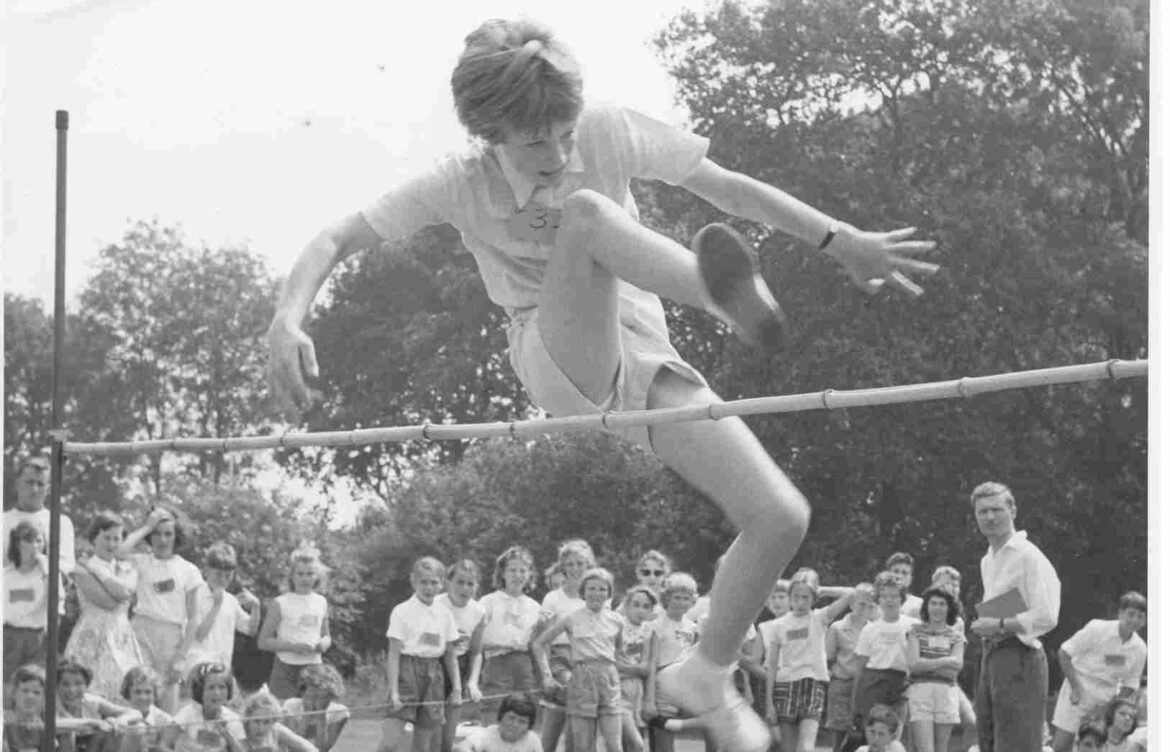
Engaging in sports is essential for maintaining physical and mental health. Regular physical activity reduces the risk of chronic diseases such as obesity, diabetes, and cardiovascular problems. Furthermore, studies indicate that people who participate in sports experience lower rates of depression and anxiety. The World Health Organization recommends at least 150 minutes of moderate aerobic activity each week for adults, highlighting the need for sports participation across various age groups.
Conclusion
In conclusion, the role of sports in modern society extends far beyond mere games and competitions. Sports serve as a major economic engine, promote social bonds, and enhance individual health and well-being. As we look towards the future, it is crucial to support and invest in sports programs at all levels to achieve a healthier, more connected population. The ongoing development of new sports venues, community programs, and educational initiatives will ensure that sports continue to thrive and benefit society as a whole.