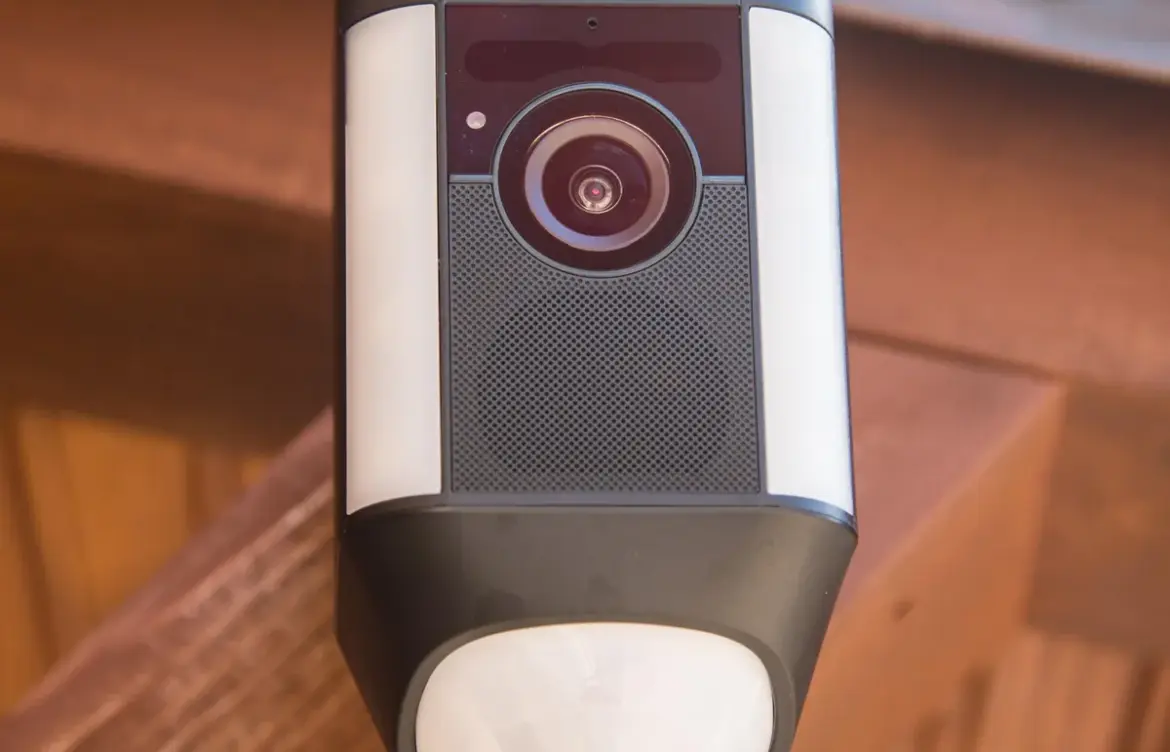
The Role of Ring Camera in Modern Home Security
Introduction
The emergence of smart home technology has profoundly transformed the way we view and manage security, with the Ring camera leading the charge in residential safety. With its ability to provide real-time surveillance and instant alerts, the Ring camera has become a vital tool for homeowners aiming to protect their properties from intruders and enhance their overall security measures. As reported by the National Council for Home Safety and Security, residential burglary occurs every 13 seconds in the United States, highlighting the necessity for reliable security solutions like Ring cameras.
Overview of Ring Camera Technology
Launched by Ring in 2014, the Ring camera combines high-definition video quality with two-way audio functionality, allowing homeowners to monitor their entry points effectively. The cameras connect to Wi-Fi, sending alerts to users’ smartphones through the accompanying app whenever motion is detected. Recent advancements in technology have enabled features such as night vision, motion-sensing capabilities, and integration with various smart home devices, including Amazon Alexa. In 2021, Ring announced the addition of advanced AI detection algorithms to distinguish between people, animals, and vehicles, reducing unnecessary alerts.
Community Impact and Crime Prevention
Moreover, the influence of Ring cameras extends beyond individual households. Many neighborhoods have established community partnerships, utilizing Ring’s Neighbors app to share real-time video footage with local law enforcement and one another. This collaborative effort has reportedly contributed to a 55% reduction in crime rates in areas with high Ring camera adoption. Communities are leveraging this technology to foster a safer environment, with users encouraged to report suspicious activities and share timely information.
Challenges and Criticisms
However, the rise of surveillance technologies also raises continued concerns regarding privacy and data security. Critics argue that the widespread deployment of devices like the Ring camera could lead to over-surveillance and the potential misuse of the footage collected. In response, Ring has implemented policy changes and enhanced privacy controls, offering users options to limit sharing features and ensuring clear guidelines on data handling.
Conclusion
The proliferation of Ring cameras within homes has significantly influenced the landscape of personal security and community safety. As technology continues to evolve, these devices present a dual opportunity for crime reduction while simultaneously prompting discussions about privacy and ethical surveillance. Homeowners and communities must navigate these complexities as they adopt smart security solutions, ensuring they balance safety with mindfulness regarding individual privacy rights. Looking ahead, further innovations in security technology are anticipated, potentially making homes even safer while addressing the ethical implications of surveillance.