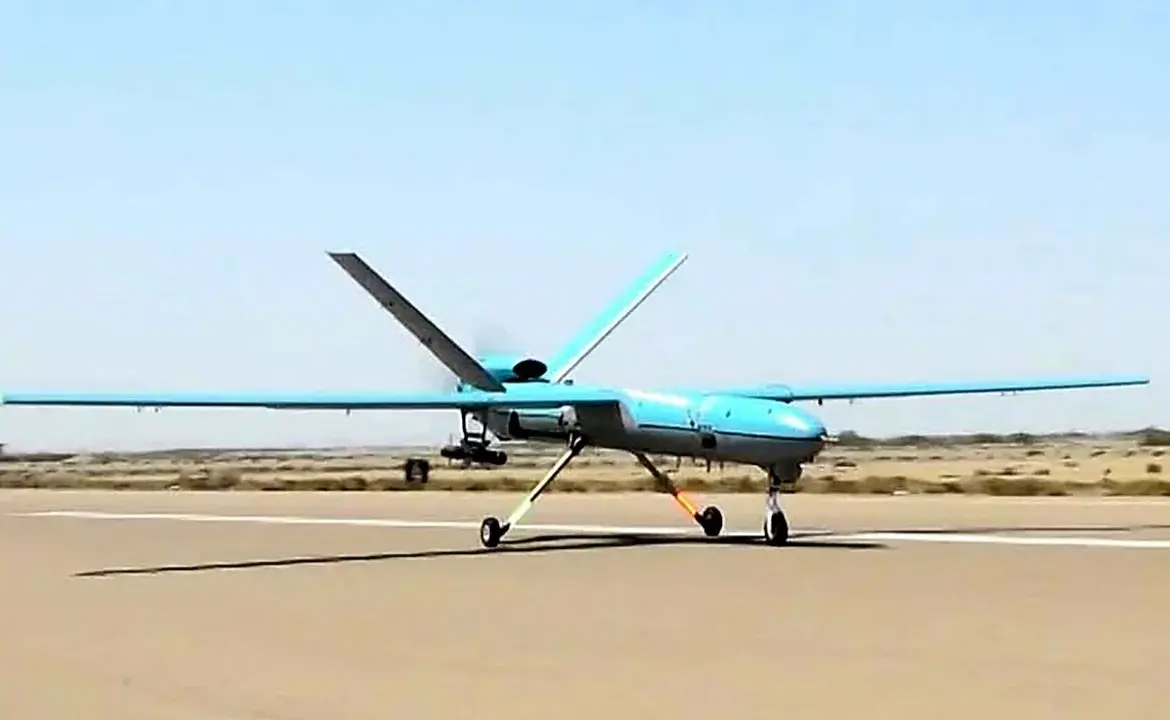
The Rising Influence of Iranian Drones in Global Conflicts
Introduction
The use of drones in warfare has changed the landscape of conflicts around the globe. Among the nations leveraging this technology, Iran has emerged as a significant player, developing and deploying drones that have been implicated in various regional conflicts. Understanding the role of Iranian drones is essential not only for comprehending recent military engagements but also for predicting future geopolitical dynamics.
Overview of Iranian Drone Development
Iran’s drone program dates back to the early 2000s but has gained momentum in the past decade. The country has showcased an array of drones, from reconnaissance to armed models, with the ability to carry out strikes beyond its borders. Recently, intelligence reports from multiple countries have indicated that Iranian drones, such as the Shahed-136, are being used in conflicts in Syria, Iraq, and even Ukraine, prompting concerns about their capabilities and proliferation.
Recent Events Involving Iranian Drones
In September 2023, Ukrainian officials reported that Iranian-made Shahed drones were being supplied to Russia to support its ongoing conflict in Ukraine. This partnership alarmed Western nations, which imposed further sanctions on Iran, citing its direct involvement in exacerbating the war. Additionally, Iranian drones have been linked to targeted strikes in Syria against opposition forces, showcasing their tactical advantages in urban warfare.
Moreover, Iran has been accused of providing drone technology and training to proxy groups in the Middle East, including Hezbollah in Lebanon and various militias in Iraq and Yemen. These developments have raised international concerns as they alter the balance of power in these regions and challenge the influence of the United States and its allies.
International Response and Forecast
In reaction to the proliferation of Iranian drones, several countries are increasing their military readiness and exploring advanced technologies to counter these threats. Enhanced surveillance and intelligence-sharing, coupled with an increase in aerial defense systems, are becoming integral components of national security strategies in the Middle East and beyond. Importantly, the nature of drone warfare signifies a shift towards asymmetric warfare, where smaller nations or groups can effectively challenge larger military powers.
Conclusion
The advancements in Iranian drones symbolize both a technological leap and a strategic challenge in modern warfare. As their presence expands globally, particularly in volatile regions, it becomes crucial for the international community to monitor these developments and adapt accordingly. The implications of Iranian drones extend beyond immediate conflicts and raise fundamental questions about global security and stability shaping the future of international relations.