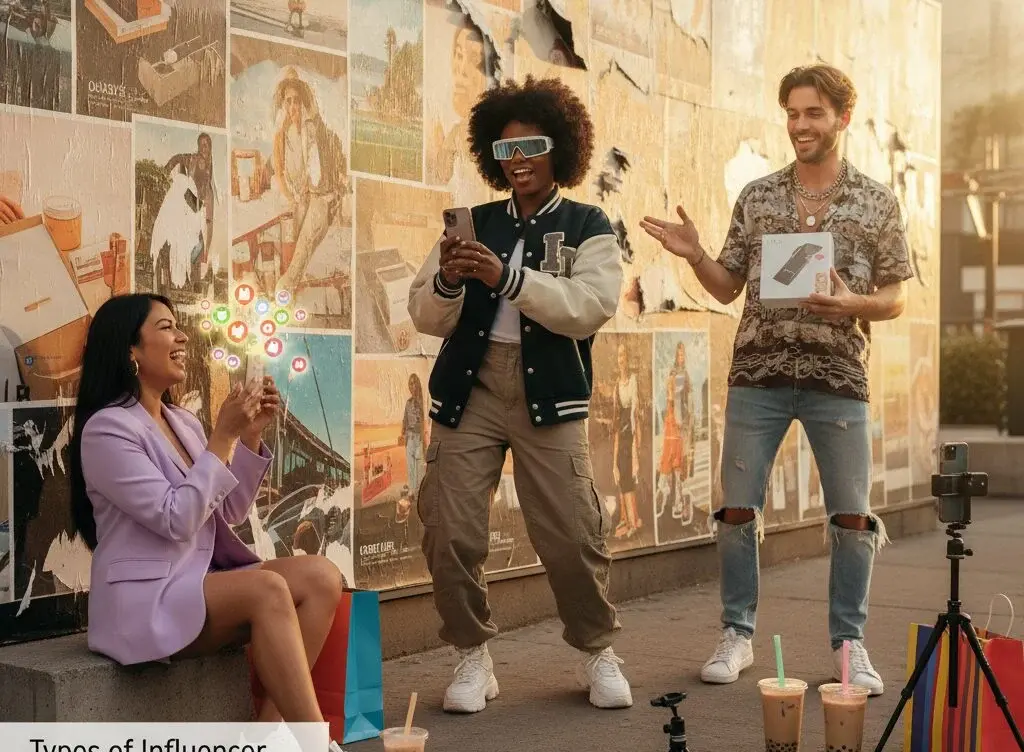
The Rise of Influencer Marketing in 2023
Understanding Influencer Marketing
Influencer marketing has emerged as a pivotal strategy for brands looking to connect with consumers in an increasingly digital marketplace. As social media platforms continue to dominate communication, influencers—individuals who have the power to affect the purchasing decisions of others because of their authority, knowledge, position, or relationship with their audience—have become essential allies for brands seeking to enhance visibility and engagement.
Current Trends in Influencer Marketing
As of 2023, the landscape of influencer marketing is witnessing significant transformations. According to a recent survey by HubSpot, 79% of marketers consider influencer marketing as effective for building brand awareness. Micro and nano-influencers are gaining traction due to their perceived authenticity and higher engagement rates. Brands are increasingly investing in collaborations with individuals who have smaller, but more engaged audiences, rather than focusing solely on celebrities or macro-influencers.
Video content continues to reign supreme, with platforms like TikTok and Instagram Reels leading the charge. Influencers are creating short, dynamic videos that not only showcase products but also weave them into immersive stories that resonate with their target audiences. This shift towards interactive content is pivotal, with 62% of consumers stating they are more likely to make a purchase after seeing a product in a video posted by an influencer.
Challenges and Considerations
Despite the vast potential, influencer marketing also faces challenges. With increasing scrutiny over the authenticity of influencer partnerships and a push for transparency, brands must ensure that their influencer collaborations comply with advertising regulations and maintain authenticity. Disclosures and clear communication about partnerships are crucial in maintaining trust with consumers. Moreover, the saturation of the market means brands must be strategic in who they choose to represent them, ensuring there is a genuine fit between the influencer’s values and the brand’s message.
Conclusion: The Future of Influencer Marketing
The increasing importance of authenticity, engagement, and video content positions influencer marketing as a cornerstone of modern marketing strategies. As technology evolves and consumer behavior shifts, brands must remain agile, leveraging influencer partnerships that align with their objectives and resonate with their target audience. Looking ahead, brands that harness the full potential of influencer marketing while navigating its challenges will likely find enduring success in connecting with consumers in meaningful and impactful ways.