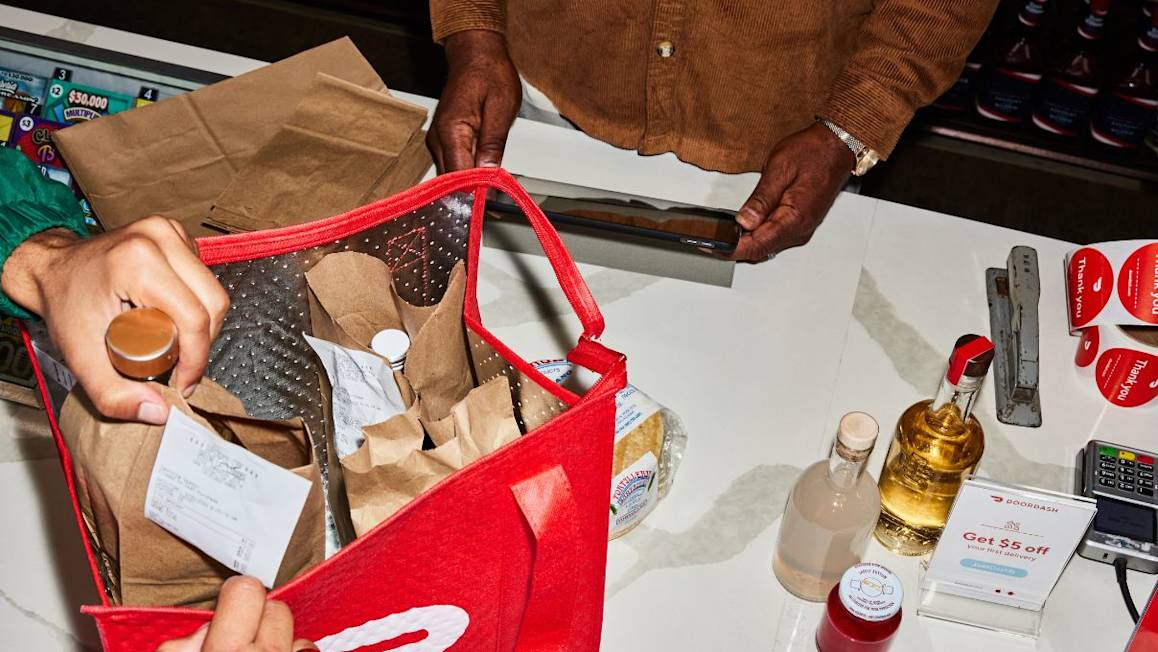
The Rise of DoorDash in the Food Delivery Industry
Introduction
In the rapidly evolving landscape of food delivery services, DoorDash stands out as a frontrunner, transforming how consumers access meals. Launched in 2013, the company has quickly adapted to market demands and technological advancements, creating a significant impact on the way people dine. Understanding DoorDash’s methods and growth trends sheds light on the future of food delivery and consumer behavior.
Growth and Expansion
DoorDash has been on an impressive growth trajectory, especially during and after the COVID-19 pandemic, when demand for food delivery surged. As of late 2023, DoorDash holds a substantial share of the U.S. food delivery market, estimated at over 50%. The company’s strategy of partnering with local restaurants, grocery stores, and convenience stores has played a pivotal role in its proliferation.
Recent Developments
In recent months, DoorDash has introduced several innovative features aimed at enhancing user experience. These include the launch of subscription services that offer customers free delivery, the expansion of “DashMart,” a virtual convenience store through which users can order household essentials alongside meals, and enhancements to its DashPass service. Furthermore, DoorDash has been investing in technology to improve delivery logistics, ensuring faster delivery times and better customer service.
Impact on Restaurants
DoorDash’s impact is not only seen in consumer behavior but also significantly influences restaurant operations. Many small and medium-sized businesses have benefited from the platform, as it allows them to reach a broader clientele without incurring the costs associated with building an in-house delivery system. However, the company has faced scrutiny regarding its commission rates, which some restaurateurs argue are prohibitively high, particularly for smaller establishments trying to stay afloat.
Conclusion
As DoorDash continues to evolve, its role in the food industry is set to expand further. With growing partnerships and technological investments, it is likely to remain a dominant player in the food delivery market. Consumers can expect more conveniences, while restaurants will need to adapt to the pressures and benefits that come with this delivery revolution. The future looks promising for DoorDash, as it shapes not only how we acquire food but also how the food industry operates.