The Rise and Significance of Non-Fungible Tokens
Introduction to Non-Fungible Tokens
Non-fungible tokens (NFTs) have rapidly become a cornerstone of the digital economy, representing ownership and authenticity of unique digital assets. Unlike cryptocurrencies such as Bitcoin or Ethereum, which are fungible and can be exchanged on a one-to-one basis, NFTs are distinct and cannot be interchanged on an equivalent basis. This characteristic makes them particularly valuable for artists, collectors, and gamers in the current digital landscape.
The Growth of the NFT Market
In recent years, the NFT market has exploded, with its value increasing exponentially. According to a report by NonFungible.com, the global NFT market reached more than $41 billion in 2021, driven by high-profile sales such as Beeple’s digital artwork ‘Everydays: The First 5000 Days,’ which sold for $69 million at Christie’s auction house. Major brands and celebrities have also jumped into the NFT space, launching their own collections and digital experiences.
The demand for NFTs is propelled by a digital culture that values ownership and provenance in the virtual world. Collectors see NFTs as a unique investment opportunity, akin to owning a rare painting or a limited-edition collectible.
Challenges Facing NFTs
Despite their popularity, NFTs face significant challenges. Issues such as environmental concerns related to blockchain energy consumption, copyright disputes over digital ownership, and market volatility pose risks to investors and creators alike. Additionally, regulatory scrutiny is increasing as governments look to establish guidelines around digital asset trading.
The Future of Non-Fungible Tokens
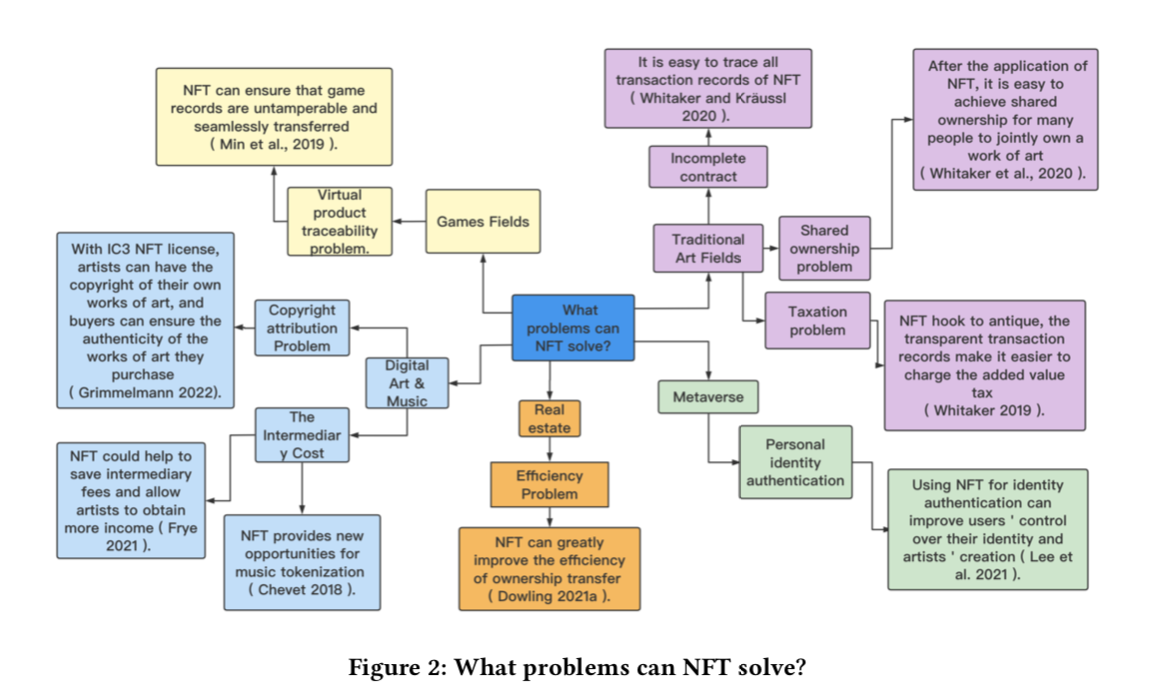
Looking forward, experts forecast that NFTs will continue evolving, integrating into various sectors beyond art and entertainment, including real estate, music, and software licensing. With the ongoing development of blockchain technology and potential improvements addressing environmental impacts, the future of NFTs seems poised for sustained growth and innovation.
Conclusion
In summary, non-fungible tokens represent a significant shift in how ownership and value are perceived in the digital realm. As the market matures and challenges are addressed, NFTs are set to play a crucial role in shaping the future of digital assets. For readers, understanding NFTs is essential, as they may offer unprecedented opportunities in both investment and creative endeavors.