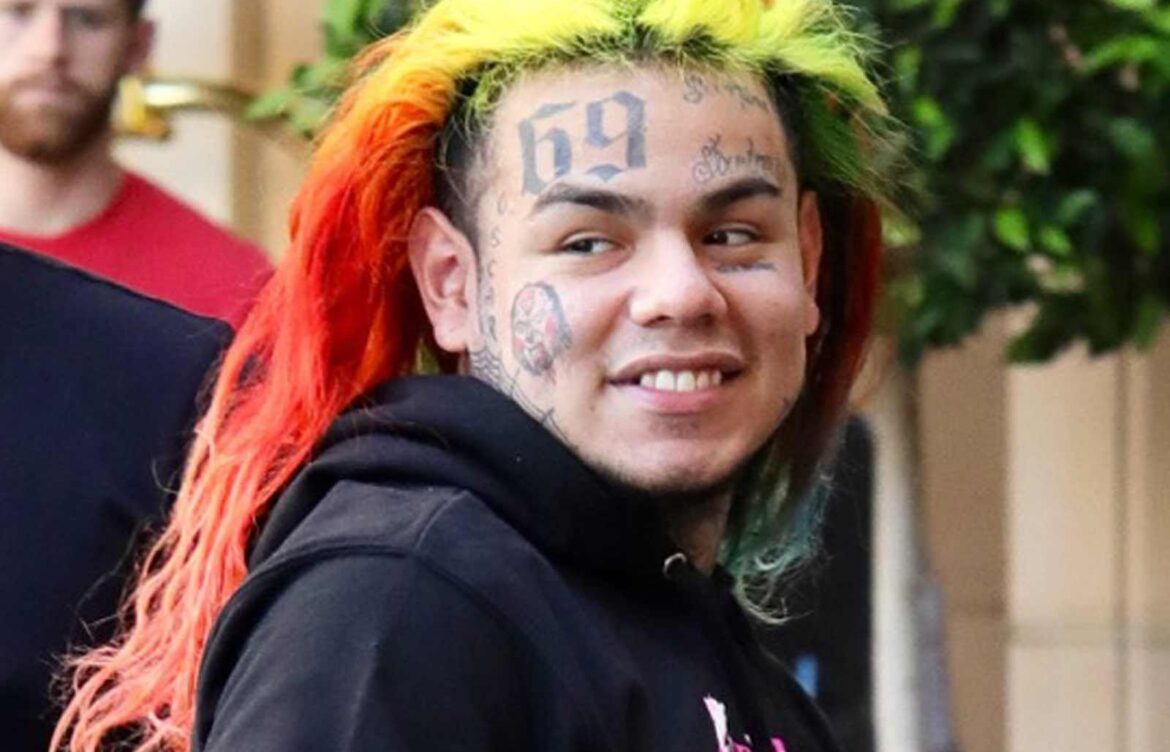
The Rise and Controversies of Tekashi 69
Introduction
Tekashi 69, also known as 6ix9ine, is a prominent figure in the modern hip-hop scene, known for his distinct style and excessive persona. His rise to fame has been marked by both musical success and significant controversies, making him one of the most talked-about artists in recent years. As he continues to make headlines, understanding his journey becomes increasingly relevant in the discussions around fame, criminal activity, and the music industry.
Recent Events and Developments
Born Daniel Hernandez in 1996, Tekashi 69 became a household name with his breakout single “Gummo” in 2017. His music, characterized by aggressive ad-libs and vibrant visuals, quickly caught the attention of audiences and earned him a dedicated fan base. However, his career took a dramatic turn when he became embroiled in legal troubles related to gang affiliations and racketeering charges, leading to his arrest in 2018. In September 2019, he pleaded guilty to nine counts and cooperated with federal prosecutors, which significantly reduced his sentence.
Following his release amid the COVID-19 pandemic in April 2020, Tekashi 69 returned to the music scene, releasing singles that dominated streaming platforms. His controversial lifestyle has continued to yield both supporters and detractors; he often engages in online feuds with fellow artists while promoting his music on social media. In recent months, he has capitalized on his notoriety to build his brand further, making headlines for both his newfound releases and public appearances.
The Impact of Tekashi 69 on Hip-Hop Culture
Tekashi 69 represents a new wave of artists in hip-hop where social media plays an integral role. His ability to generate buzz through online strategies has opened doors for artists to reach audiences directly, without traditional marketing pathways. However, this approach also raises questions about authenticity and the potential glamorization of criminal behavior within the genre. As artists, fans, and critics alike navigate these dynamics, Tekashi’s influence is likely to spur further discussions on accountability in the music industry.
Conclusion
The story of Tekashi 69 serves as a case study for the intersection of music, law, and media in today’s society. His unprecedented rise to fame and the controversies that followed highlight the complexities of modern celebrity culture, especially in the hip-hop genre. Looking ahead, Tekashi’s career will likely dictate evolving discussions on celebrity accountability while continuing to influence both aspiring artists and industry veterans. As the music landscape shifts, his experiences illustrate the fragile nature of fame and the impacts it carries.