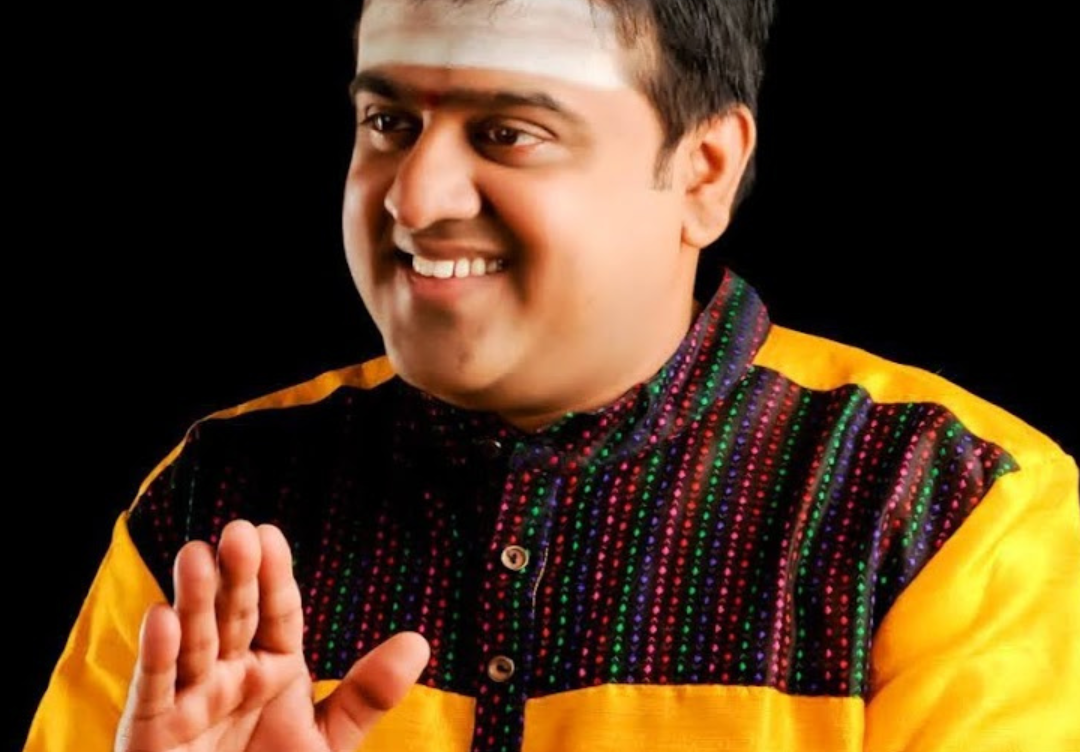
The Rich Tradition of Konnakol in Indian Music
Introduction to Konnakol
Konnakol, a traditional form of vocal percussion in South Indian classical music, plays a crucial role in enhancing rhythm and vitality during performances. This ancient art form is not just a musical technique but also an essential element of improvisation in Carnatic music. Understanding Konnakol is vital for musicians, scholars, and enthusiasts alike due to its unique contributions to Indian cultural heritage.
Historical Background
The roots of Konnakol can be traced back to ancient Indian texts, where it was practiced by musicians and dancers alike. The term ‘Konnakol’ derives from the Tamil words “konna” (to speak) and “kol” (to play). Traditionally, Konnakol was used by percussionists to convey rhythm much like an instrument. Renowned musicians like T. Rama Rao and others have significantly popularized the art in modern times, bringing it into contemporary performance settings.
Structure and Techniques
Konnakol consists of rhythmic syllables that mimic the sounds of various percussion instruments such as the mridangam or tabla. The syllables are organized into a structured vocabulary that includes basic sounds like “ta,” “ka,” and “di,” which are blended to create complex rhythmic patterns. Musicians often practice these sounds to master the art, and Konnakol syllables can also be notated in a manner similar to Western musical notation.
Current Trends and Global Influence
In recent years, Konnakol has gained an international audience through fusion genres and cross-cultural collaborations. Artists like Vikku Vinayakram and Ranjit Barot have brought attention to Konnakol, showcasing its versatility beyond traditional boundaries. Workshops and festivals celebrating this art form are becoming more common, fostering a global appreciation for Indian classical music. Additionally, with the rise of digital platforms, numerous tutorials and performances have made Konnakol accessible to a wider audience.
Conclusion and Future Significance
The significance of Konnakol extends beyond mere rhythm; it represents a rich tapestry of Indian musical traditions that continue to evolve. As global interest in world music expands, Konnakol is expected to play a pivotal role in bridging cultural gaps and promoting understanding of Indian classical arts. For musicians, learning Konnakol not only enriches their artistic expression but also connects them to the rich cultural heritage of India.