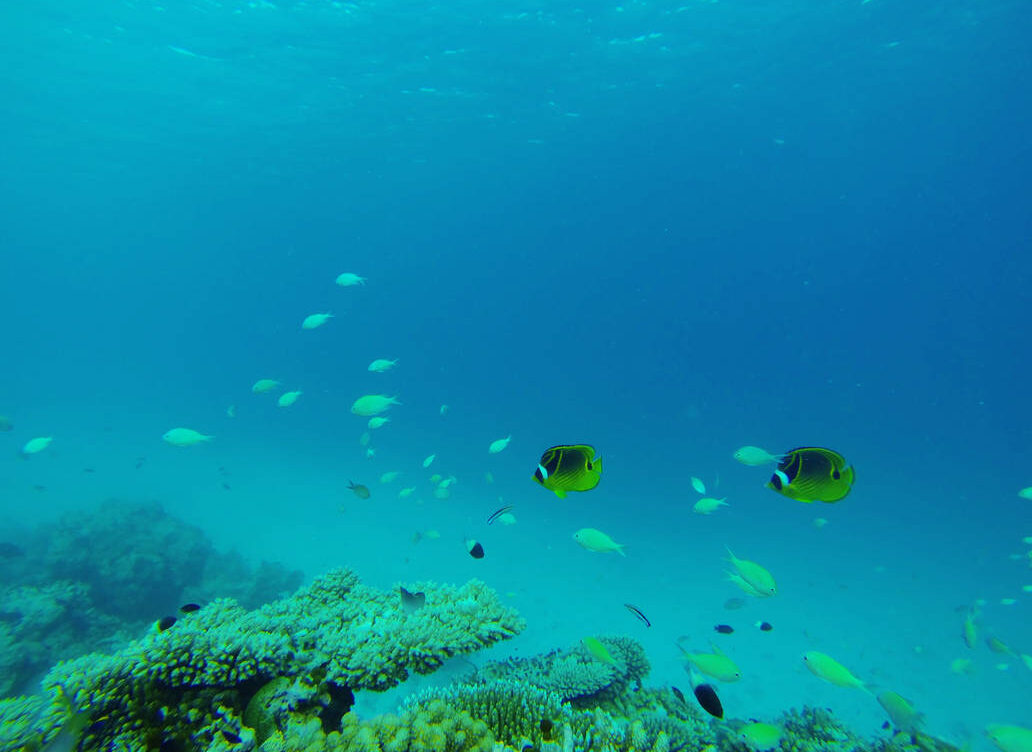
The Maldives: A Jewel of the Indian Ocean
Introduction
The Maldives, an archipelago of 26 atolls located in the Indian Ocean, is renowned for its breathtaking scenery, pristine beaches, and vibrant coral reefs. The importance of the Maldives as a premier travel destination has grown significantly over the years, attracting millions of visitors seeking a slice of paradise. Its unique geography and cultural heritage make it not only a thrilling vacation spot but also a vital region for marine biodiversity and ecological conservation.
Current Tourism Trends
As global travel resumes following the pandemic, the Maldives has experienced a surge in tourism. Recent statistics from the Maldives National Bureau of Statistics have reported a 28% increase in tourist arrivals in the past year, with travelers eager to indulge in luxury resorts and water sports activities like snorkeling and diving. The island nation has implemented strict health protocols, ensuring safety and hygiene to maintain its appeal to international visitors.
Environmental Initiatives
Despite being a top-tier tourist destination, the Maldives faces significant environmental challenges, particularly due to climate change and rising sea levels. Notably, the Maldives government has taken steps toward sustainability. Recently, several resorts have achieved eco-certifications and adopted initiatives such as solar energy usage and the conservation of local marine life. For example, the Eco-Resort initiative promotes managing natural resources responsibly, and partnerships with global organizations aim to reduce the ecological footprint of tourism.
Cultural Significance
The cultural richness of the Maldives cannot be overlooked. As an Islamic nation, the Maldives boasts a unique blend of traditions influenced by South Asian, Arab, and African cultures. Visitors can explore traditional Maldivian music, dance, and cuisine, which are integral to the islands’ identity. Various cultural events and festivities also allow travelers to immerse themselves in local traditions.
Conclusion
The Maldives remains an essential travel destination, combining natural beauty, cultural wealth, and sustainability efforts. As tourism continues to rebound, it is crucial for travelers to recognize the importance of eco-conscious travel to preserve this tropical paradise for future generations. Travelers should pay attention to sustainable practices and support local communities, ensuring that the Maldives remains both a paradise and a viable ecosystem. The outlook for the Maldives is promising, with continued investment in sustainable tourism ensuring its allure for years to come.