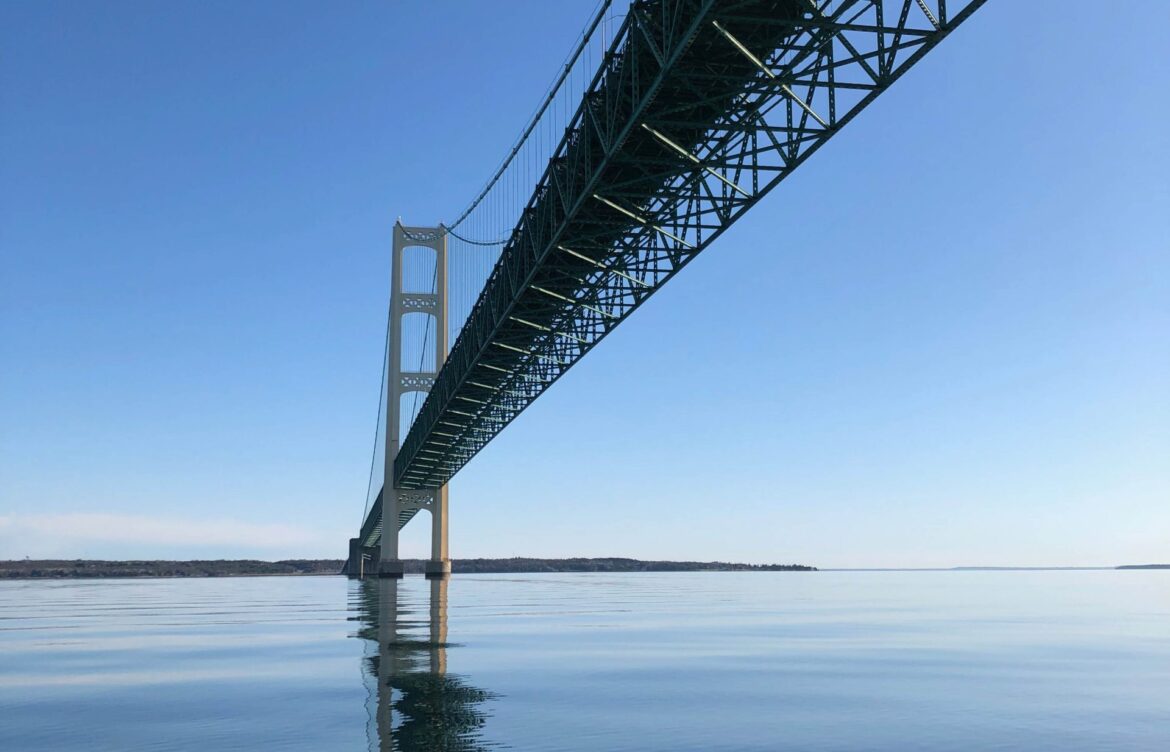
The Mackinac Bridge: A Vital Link in Michigan
Introduction
The Mackinac Bridge, an iconic symbol of Michigan, spans the Straits of Mackinac, connecting the Upper and Lower Peninsulas. Completed in 1957, this engineering marvel is one of the longest suspension bridges in the world, measuring approximately 26,372 feet in length. The bridge plays a crucial role in transportation, tourism, and state pride, making it an essential topic worth exploring.
Recent Developments
In recent months, the Mackinac Bridge Authority has been focused on routine maintenance and safety inspections to ensure the bridge remains safe for the estimated 4,000 vehicles that cross it daily. In October 2023, the Bridge Authority announced a new initiative to enhance the structural integrity of the bridge by investing in updated materials and technologies for ongoing maintenance efforts. These upgrades are part of a comprehensive plan to extend the lifespan of the bridge, which is already over 65 years old.
Additionally, local authorities have implemented roadwork and ramp updates on the approach roads leading to the bridge to improve traffic flow and safety for the increasing number of tourists during the fall foliage season. Traffic congestion often peaks during this time as thousands flock to Michigan’s Upper Peninsula for its scenic views.
Economic Impact
The Mackinac Bridge’s economic influence extends beyond transportation. It plays a vital role in boosting local tourism, contributing hundreds of millions of dollars to the local economy each year. Events such as the annual Mackinac Bridge Walk, which attracts thousands of participants, showcase the bridge’s significance in promoting community spirit and tourism in Michigan.
Conclusion
As the Mackinac Bridge continues to stand as a testament to engineering excellence, its relevance in today’s economic and cultural landscape remains steadfast. Ongoing maintenance and upgrades are imperative to preserve this landmark for future generations. As Michigan moves forward, the Mackinac Bridge will undoubtedly remain a central figure in the state’s identity and an important connector for residents and travelers alike.