The Life and Legacy of Marlon Brando
Introduction
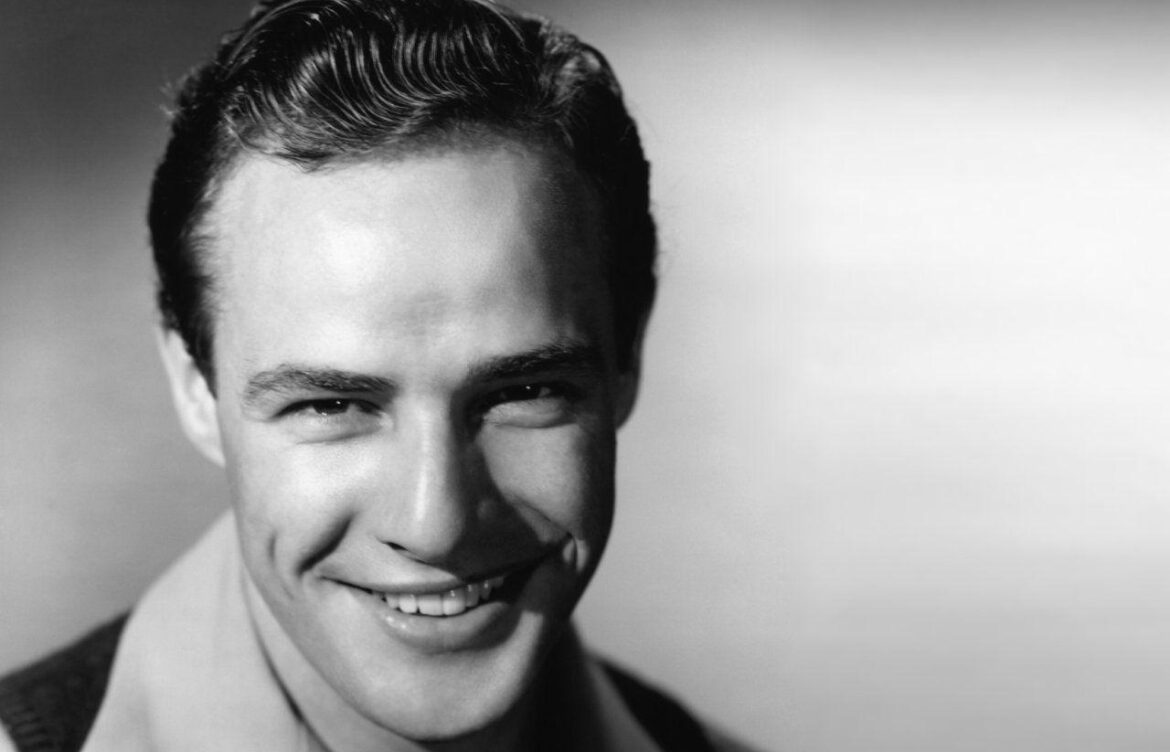
Marlon Brando, often hailed as one of the greatest actors of the 20th century, redefined acting and the role of the artist in Hollywood. Known for his groundbreaking performances in films such as ‘A Streetcar Named Desire’ and ‘The Godfather’, Brando’s influence extended beyond cinema into culture and social activism, making him a significant figure even decades after his passing.
The Rise of a Legend
Born on April 3, 1924, in Omaha, Nebraska, Marlon Brando grew up in a troubled household which shaped his complex personality. He moved to New York City to study acting at the Stella Adler Conservatory and quickly gained acclaim on Broadway. His Broadway performance in ‘A Streetcar Named Desire’ in 1947 caught the attention of Hollywood, leading to his remarkable film debut in the screen adaptation in 1951.
Brando’s acting style, characterized by a raw emotionality and reliance on realism, broke from the polished narratives of Hollywood’s past. His portrayal of Stanley Kowalski showcased a new approach to character-driven storytelling that would influence generations of actors.
Iconic Roles and Cultural Impact
Throughout the 1950s and 60s, Brando starred in several iconic films, including ‘The Wild One,’ ‘On the Waterfront,’ and ‘The Godfather’, for which he won an Academy Award for Best Actor. Brando’s refusal to accept the Oscar for ‘The Godfather’ in 1973 was a controversial moment, aimed to protest against Hollywood’s portrayal of Native Americans. This act of defiance solidified his legacy not just as an actor, but as an activist who used his platform to advocate for social justice.
Later Years and Legacy
Despite personal struggles, including weight fluctuations and a turbulent personal life, Brando remained a prominent figure in cinema until his passing on July 1, 2004. He left behind a transformative legacy that inspired numerous actors and filmmakers. Brando’s unique approach to acting and commitment to authenticity encouraged a new era of performance art that prioritizes psychological depth over mere technical proficiency.
Conclusion
Marlon Brando’s impact on film and culture is immeasurable. He not only paved the way for method acting but ignited conversations on art’s role in society. As we reflect on his career, it becomes apparent that Brando’s legacy will endure, influencing new waves of talent and continuing to challenge the status quo within Hollywood. His life story resonates as a testament to the power of artistry intertwined with personal conviction.