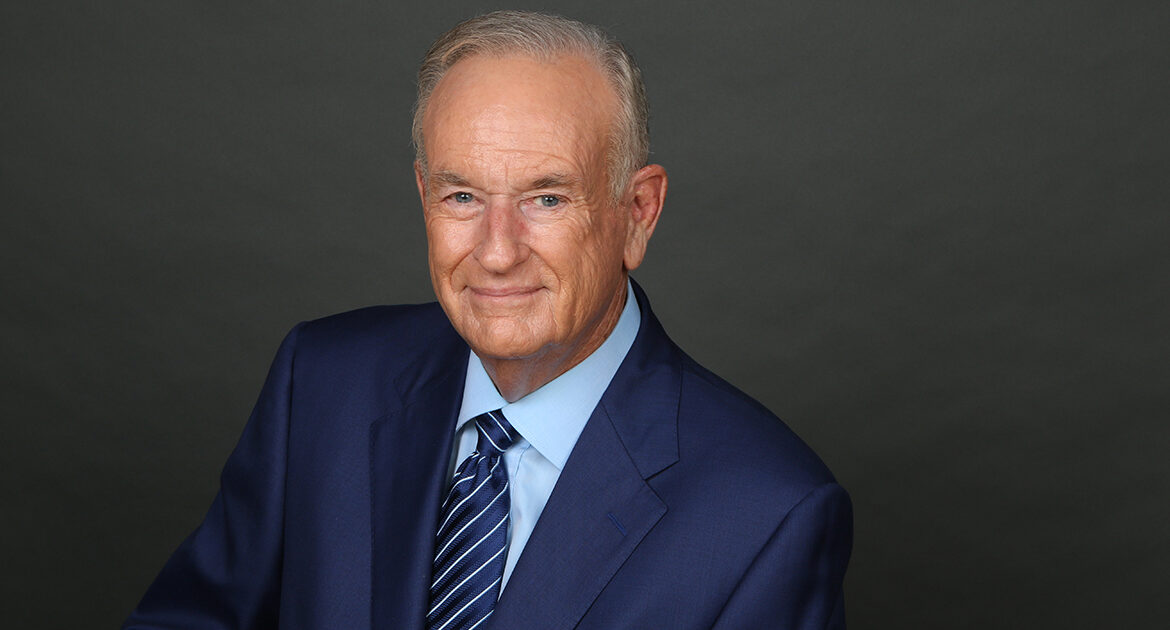
The Life and Influence of Bill O’Reilly
Introduction
Bill O’Reilly is a prominent figure in American media, known for his strong opinions and influential career as a television host and author. His work has sparked debates on freedom of speech, journalism ethics, and political discourse. Recent events surrounding O’Reilly have reignited discussions regarding his legacy and relevance in today’s media landscape.
Career Highlights
O’Reilly first gained national attention as a reporter for CBS News before becoming the anchor of “The O’Reilly Factor” on Fox News, where he thrived from 1996 until 2017. The show was one of the highest-rated cable news programs, showcasing O’Reilly’s unique interviewing style and conservative viewpoints. He has authored several best-selling books, amplifying his influence beyond television.
Controversies
Throughout his career, O’Reilly has been involved in multiple controversies, especially allegations of sexual harassment that led to his exit from Fox News. These allegations have shaped the narrative around his professional image and have sparked broader discussions on mishaps within media organizations, particularly related to workplace conduct and accountability.
Recent Developments
In recent months, O’Reilly has continued to engage with his audience through podcasts and online platforms, attracting a significant following despite his controversies. His latest endeavors include writing and discussion panels focused on political issues, reflecting his ongoing relevance in conservative commentary. Notably, he remains a polarizing figure, with supporters praising his candid style and critics condemning his past behavior.
Conclusion
Bill O’Reilly’s impact on American media and politics is undeniable, with a career that has inspired both admiration and critique. As he continues to share his perspectives through modern platforms, discussions surrounding his influence will likely persist. For readers interested in the dynamics of media and the role of prominent figures like O’Reilly, understanding his journey offers valuable insights into the larger conversation about media integrity and the future of political commentary.