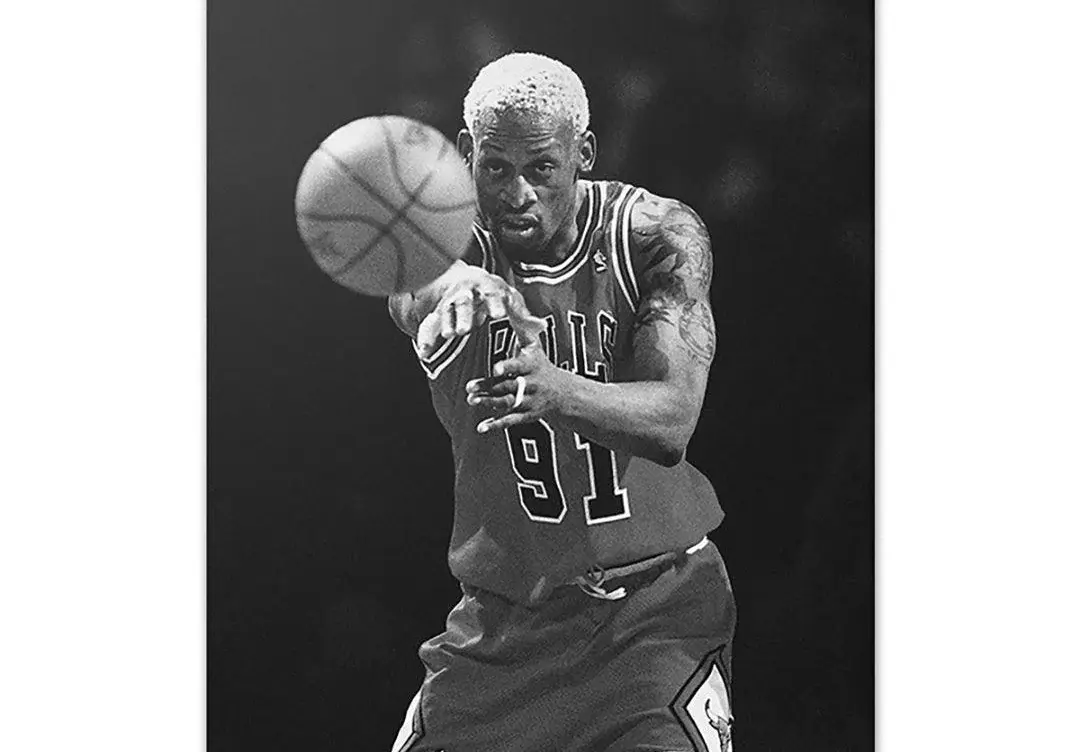
The Legendary Career of Dennis Rodman
Introduction
Dennis Rodman, a name that resonates with basketball fans around the globe, encapsulates the essence of a true sports icon. Known not just for his exceptional rebounding skills and tenacious defense, but also for his unique personality and interests outside the court, Rodman’s impact on the NBA and popular culture is undeniable. As the sports world evolves, understanding his contributions and current relevance remains crucial.
Rise to Stardom
Born on May 13, 1961, in Trenton, New Jersey, Rodman’s basketball journey began at the collegiate level with Southeastern Oklahoma State University, where he made a profound impact before being drafted by the Detroit Pistons in 1986. His intense work ethic and relentless defensive style quickly earned him the nickname ‘The Worm.’ During his tenure with the Pistons, he was an integral part of the team that won back-to-back championships in 1989 and 1990.
Chicago Bulls Era
Rodman’s career reached new heights upon joining the Chicago Bulls in 1995. Partnering with legends Michael Jordan and Scottie Pippen, Rodman won three more NBA championships (1996-1998). His rebounding prowess and defensive capabilities were vital to the team’s success, and he became known for his eccentric behavior both on and off the court, pushing the boundaries of celebrity culture.
Controversies and Off-Court Life
Beyond basketball, Rodman’s life has been filled with colorful controversies and a unique approach to global affairs. His trips to North Korea and friendship with Kim Jong-un have drawn both criticism and intrigue, illustrating the unpredictable nature of his life. In 2013, Rodman’s visits to North Korea positioned him as a bridge between two vastly different cultures, sparking both admiration and skepticism about his intentions.
Recent Developments and Legacy
As of late 2023, Rodman remains a prominent figure in sports media, often giving insightful commentary on basketball while also discussing mental health and self-acceptance. His experiences have fostered conversations surrounding personal identity, mental health issues, and societal expectations. His contributions go beyond sports, as he promotes acceptance and open dialogue about mental health in a way only a few athletes can.
Conclusion
Dennis Rodman, a polarizing yet significant figure in the world of sports, continues to leave an indelible mark on both basketball and broader societal issues. His journey from a troubled youth to a hall of fame athlete and global ambassador for peace exemplifies the complexity of his character. As Rodman embraces different roles and speaks candidly about his life, his legacy will likely evolve, impacting future generations long after his retirement from professional sports.