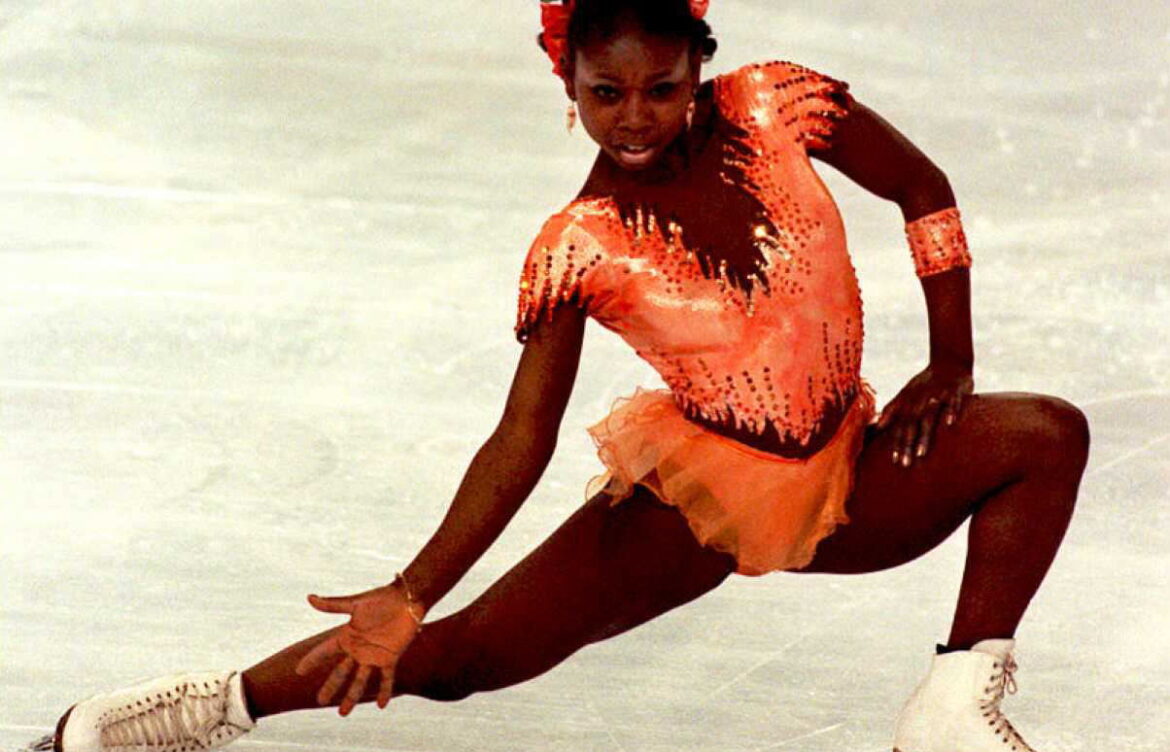
The Legacy of Surya Bonaly in Figure Skating
Introduction
Surya Bonaly, a name synonymous with groundbreaking talent in figure skating, continues to resonate in the sport today. Born in 1973 in Nice, France, she defied norms and shattered boundaries, becoming the first female skater to land a backflip on the ice during competition. Yet, her influence goes beyond individual accomplishments; Bonaly is a symbol of resilience and change in a sport often criticized for its rigid standards.
Breaking Barriers in Figure Skating
Bonaly’s career is marked by her unique technique and signature moves which set her apart from her peers. In addition to her historic backflip, she was known for her exceptional athleticism and artistry. Throughout the 1990s, Bonaly captured the attention of audiences and judges alike, winning multiple European Championships and earning a spot on the podium at World Championships.
The Challenges Faced
Despite her achievements, Bonaly faced significant hurdles, including racial discrimination and a lack of support from certain circles within the sport. As a woman of color competing in a predominantly white sport, her journey was fraught with challenges. Time and again, she stood firm in her ambition, becoming an advocate for diversity in figure skating and encouraging underrepresented athletes to pursue their dreams.
Recent Developments
In recent years, Bonaly has also embraced opportunities beyond competitive skating. She has engaged with younger generations through coaching and mentorship, sharing her experiences and fostering new talent in figure skating. In 2023, she was featured in a documentary celebrating her career and contributions to the sport. This renewed interest in her story serves to inspire not just athletes, but anyone pursuing excellence against the odds.
Conclusion
As the figure skating community continues to evolve, Surya Bonaly’s legacy remains ingrained in its fabric. Her groundbreaking achievements and commitment to change serve as a reminder of the importance of diversity and inclusion in sports. Looking forward, Bonaly’s influence will likely empower future generations of skaters to embrace their unique identities and redefine the boundaries of performance on ice.