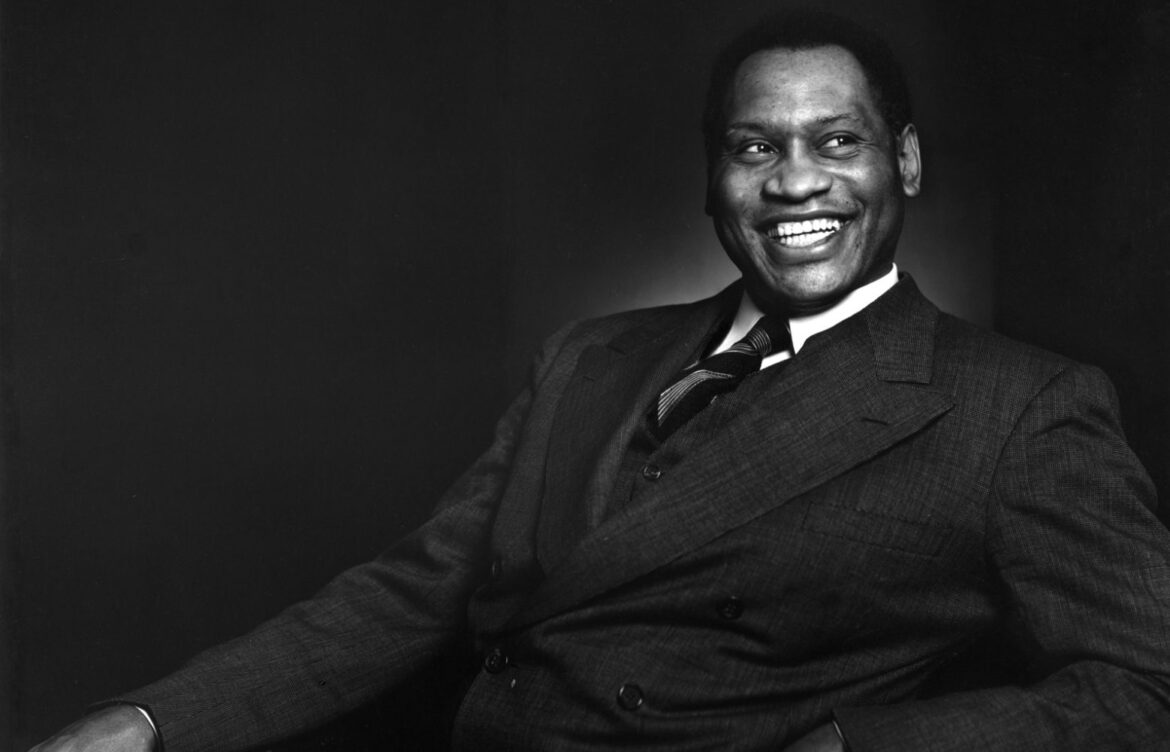
The Legacy of Paul Robeson: A Cultural and Political Force
Introduction
Paul Robeson was a polymath whose impact as an artist, scholar, and activist continues to resonate today. Born on April 9, 1898, in Princeton, New Jersey, Robeson broke barriers in a time of racial segregation, becoming an acclaimed actor, singer, and civil rights advocate. His work transcended entertainment, making him a significant figure in American history, particularly during the civil rights movement.
Career Highlights
Robeson achieved fame in the 1920s with his powerful baritone voice and commanding stage presence. His role in the Broadway production of “Show Boat” (1927), where he sang the iconic song “Ol’ Man River,” solidified his status in performing arts. In addition to theater, Robeson starred in films such as “The Emperor Jones” (1933) and “Song of Freedom” (1936), becoming one of the first African American actors to gain widespread prominence.
Advocacy and Activism
Beyond entertainment, Robeson was a fierce advocate for civil rights. His outspoken support for social justice, labor rights, and anti-colonial movements worldwide placed him at the forefront of political advocacy. During the Red Scare, his association with leftist politics led to scrutiny and legal battles, notably being blacklisted and facing the loss of his passport, which restricted his ability to perform internationally.
Later Years and Legacy
In his later years, Robeson lived in self-imposed exile in the Soviet Union, reflecting his disillusionment with American society. He returned to the United States in the late 1950s and continued to advocate for civil rights until his death on January 23, 1976. Today, Robeson’s contributions are remembered not only in the arts but also in the ongoing struggle for racial justice. His life serves as an inspiration for artists and activists alike.
Conclusion
Paul Robeson’s legacy endures, reminding us of the intersection of art and activism. His commitment to civil rights, profound talent, and unwavering determination paved the way for future generations. As we confront ongoing social injustices, Robeson’s work encourages us to use our voices for change. Understanding his story is crucial for appreciating the complexities and challenges faced in the pursuit of equality.