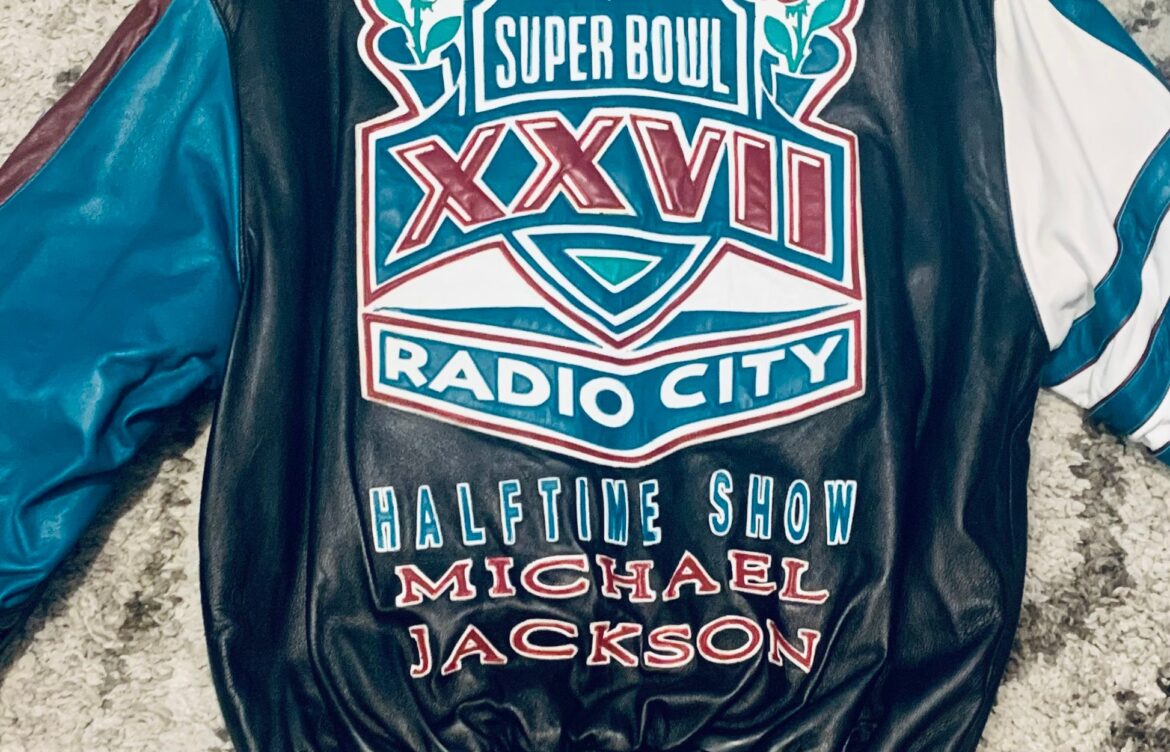
The Legacy of Michael Jackson’s Super Bowl Halftime Show
Introduction
Michael Jackson’s electrifying Super Bowl halftime performance in 1993 remains a pivotal moment in the history of live entertainment. This landmark event not only revolutionized the Super Bowl halftime show but also solidified Jackson’s status as a global icon. The significance of his performance continues to resonate, as it set high standards for future shows and showcased the blending of music, sports, and television in a way that had never been done before.
The Performance
On January 31, 1993, during Super Bowl XXVII, Michael Jackson took the stage in Pasadena, California, captivating an audience of over 135 million viewers. The show started with a powerful video montage and was followed by an impressive array of hits, including “Billie Jean,” “Black or White,” and “Heal the World.” Jackson’s performance featured elaborate choreography, stunning visual effects, and a message of unity and peace.
The set’s highlights included a children’s choir and a dramatic entrance, where Jackson seemingly appeared out of thin air. His commitment to social issues, particularly during the finale where he emphasized healing and love, resonated deeply with audiences, making the performance not just entertaining but also poignant.
The Impact
Jackson’s halftime show transformed the Super Bowl experience. Prior to his performance, halftime shows typically consisted of marching bands and less commercially viable performances. However, after Jackson, the halftime show evolved into a major entertainment spectacle, attracting top artists like Beyoncé, Lady Gaga, and The Weeknd in subsequent years.
Moreover, the impact of Jackson’s show extended beyond entertainment; it changed how advertisers viewed the Super Bowl’s advertising space with its enormous viewership. Brands began to recognize that sponsoring halftime shows provided a unique opportunity to connect with massive audiences, leading to the commercialization of the halftime segment.
Conclusion
Michael Jackson’s Super Bowl halftime performance is remembered as not just a musical event, but a cultural milestone. It set new benchmarks for high-stakes live performances and established a formula that many artists and producers follow to this day. As the Super Bowl continues to evolve, Jackson’s groundbreaking show serves as a reminder of the power of music and its ability to bring people together, leaving a legacy that influences both music and sports industries worldwide.