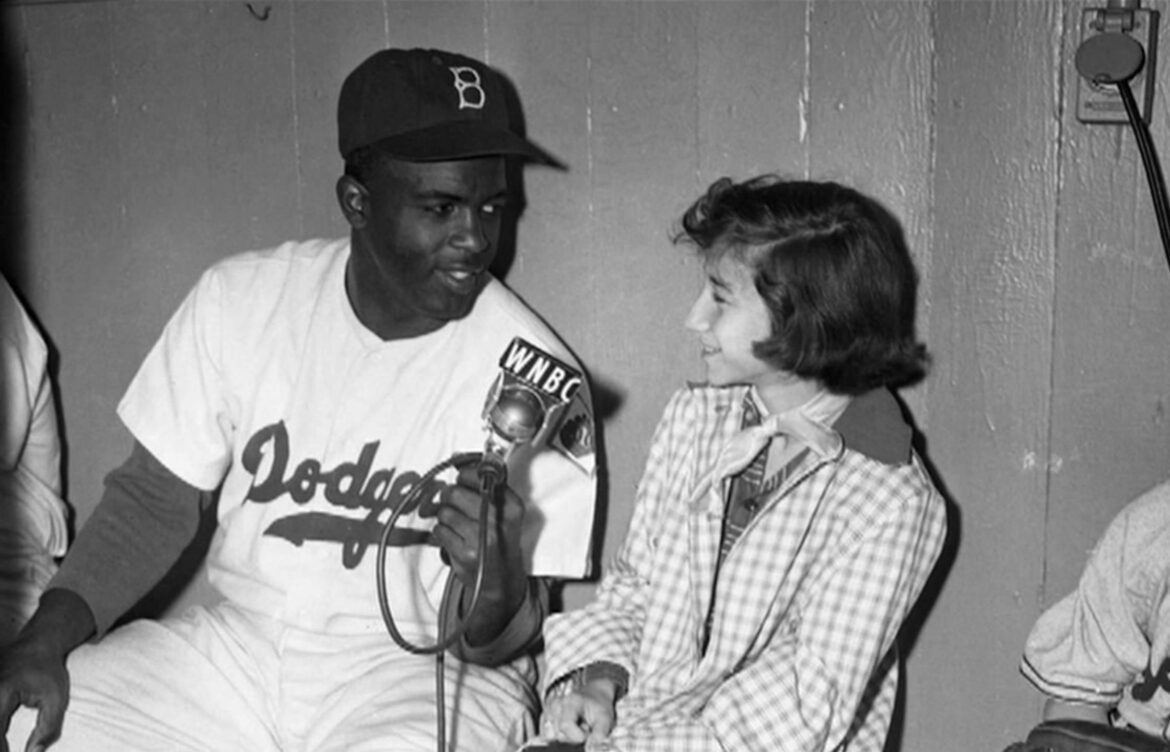
The Legacy of Jackie Robinson: Breaking Barriers in Baseball
Introduction
Jackie Robinson is a name synonymous with courage, perseverance, and the fight for equal rights in America. His breaking of Major League Baseball’s color barrier in 1947 made him an iconic figure not just in sports, but in the broader struggle for civil rights. As we reflect on his contributions, it’s crucial to understand the significance of Robinson’s achievements in both the sporting world and American society at large.
A Pioneering Sports Career
Robinson had a stellar athletic career before joining the Brooklyn Dodgers. He was a star athlete at UCLA, excelling in baseball, basketball, football, and track. However, it was his signing with the Dodgers that would change the landscape of professional sports. On April 15, 1947, Robinson took the field, becoming the first African American player in the Major Leagues since the 1880s. His journey was fraught with hostility and discrimination, but Robinson’s exceptional talent and dignity helped him overcome these barriers.
Impact on Baseball and Society
Robinson’s debut in Major League Baseball did not just alter the face of baseball; it ushered in a new era of racial integration in sports. By the time he retired in 1956, he had earned numerous accolades, including the 1947 Rookie of the Year, the 1949 Most Valuable Player award, and six All-Star selections. His number, 42, has been retired across all Major League teams, solidifying his status as a timeless icon.
Beyond the diamond, Robinson used his fame to advocate for civil rights, partnering with organizations like the NAACP and supporting efforts to eliminate racial segregation. His fierce determination opened doors for many aspiring African American athletes and paved the way for future generations.
Commemorating His Legacy
2022 marked the 75th anniversary of Robinson’s historic debut, celebrated through various events and initiatives across the country. Major League Baseball recognizes April 15 as Jackie Robinson Day, when every player wears the number 42 in honor of his legacy. This commemoration serves not only as a tribute to Robinson’s achievements but also as a reminder of the ongoing fight for equality in sports and society.
Conclusion
Jackie Robinson’s contribution to baseball and civil rights continues to resonate today. He remains a beacon of hope and inspiration for people from all walks of life. As we look forward, it is imperative that we honor his legacy by promoting inclusivity and fighting against discrimination, not only in athletics but in every aspect of life. Understanding the significance of Jackie Robinson empowers us to continue his mission of equality and justice in sports and beyond.