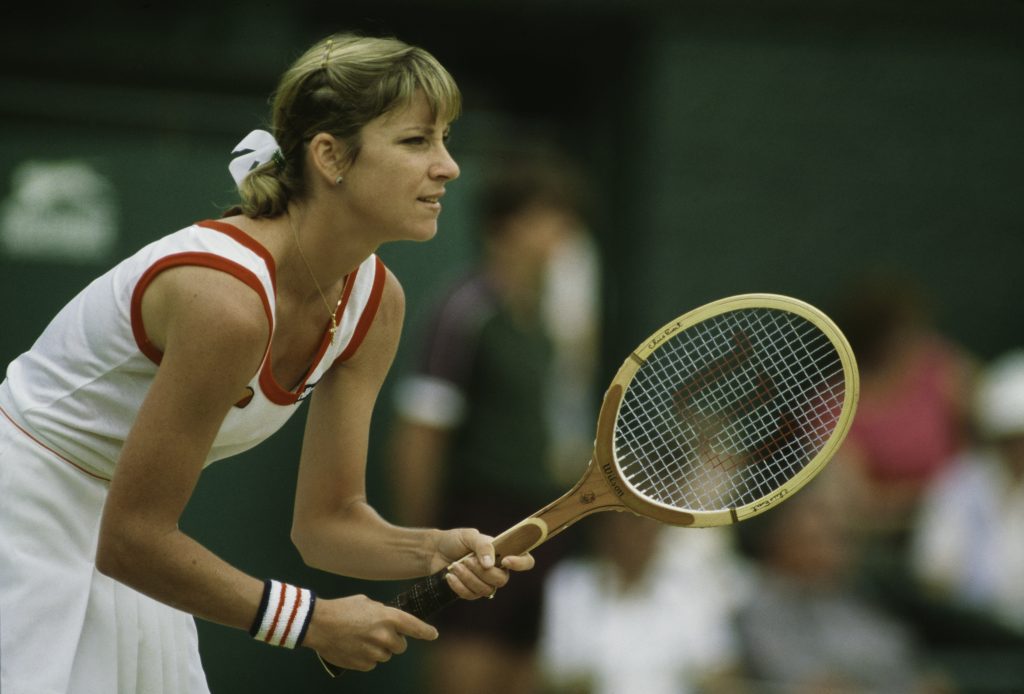
The Legacy of Chris Evert: Tennis Icon and Mental Health Advocate
Introduction
Chris Evert is not just a name in the world of tennis; she is an icon who shaped the sport and the lives of many. With a record of 18 Grand Slam singles titles, Evert’s influence extends beyond the court. In a time when mental health awareness is crucial, her advocacy has become increasingly relevant, capturing the attention of fans and fellow athletes alike.
Chris Evert’s Tennis Career
Born on December 21, 1954, in Fort Lauderdale, Florida, Chris Evert began playing tennis at an early age, quickly rising through the ranks. Turning professional in 1972, she dominated the sport throughout the 1970s and 1980s, known for her consistency and exceptional baseline play. Her fierce rivalry with fellow tennis great Martina Navratilova captivated fans and pushed both players to new heights.
Evert retired with 157 singles titles and was ranked World No. 1 for a total of 260 weeks. Her achievements include six French Open titles, three Wimbledon championships, and a remarkable 192-match winning streak on clay courts.
Advocacy for Mental Health
After retiring from professional tennis, Chris Evert has focused not only on coaching and commentary but also on raising awareness for mental health issues. In recent interviews, she has opened up about her struggles with anxiety and the pressures athletes face. This candidness has encouraged dialogue about mental health within sports, a topic often overlooked by athletes.
Evert’s foundation, the Chris Evert Charities, not only supports initiatives for children in need but also aims to highlight mental health issues and provide resources. As an advocate, she has participated in discussions and panels aimed at de-stigmatizing mental health challenges, emphasizing the importance of seeking help and support.
Conclusion
Chris Evert’s legacy extends beyond her impressive career statistics. Her role as a mental health advocate represents a shift in how athletes relate to their mental well-being, encouraging future generations to prioritize it. As conversations about mental health continue to grow, Evert’s impact will resonate for years to come, inspiring athletes and fans alike to advocate for their well-being both on and off the court.