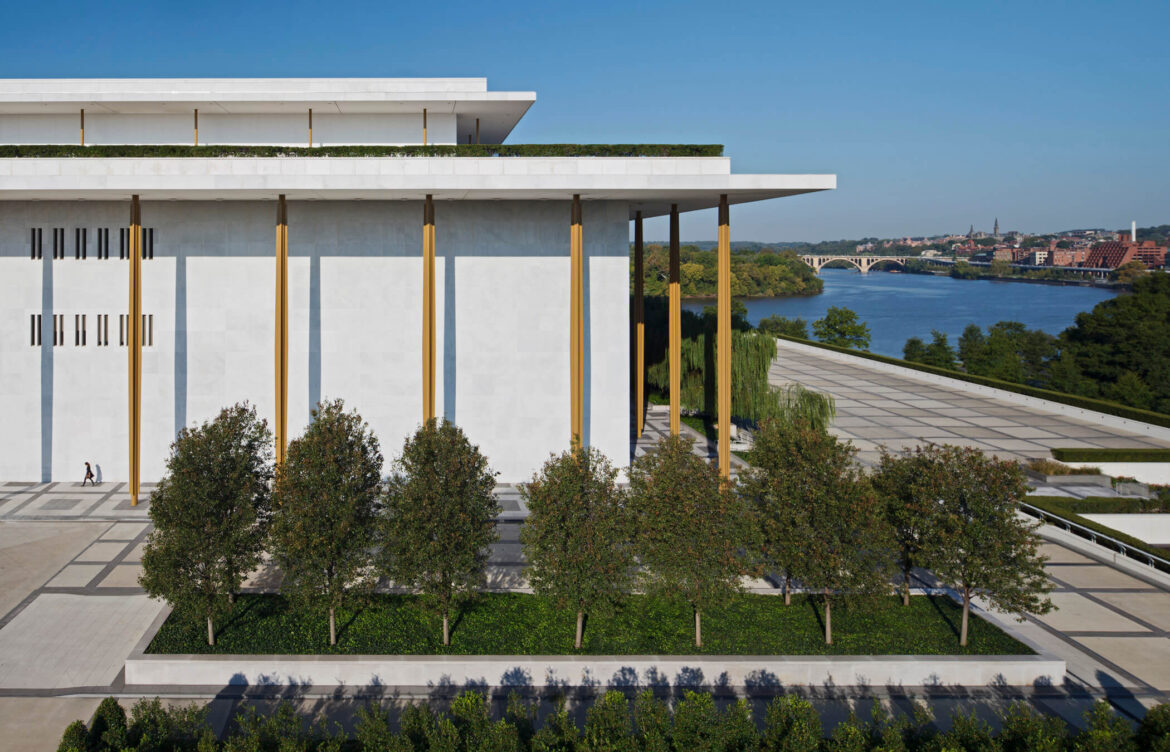
The Kennedy Center: A Beacon of Arts and Culture
Introduction
The John F. Kennedy Center for the Performing Arts, commonly known as the Kennedy Center, is a cornerstone of America’s cultural landscape. Established in 1971, this institution has not only played a critical role in promoting various forms of artistic expression but has also become synonymous with high-quality performances from some of the greatest artists worldwide. Its relevance continues to grow as it adapts to the changing artistic landscape and the needs of communities across the nation.
Recent Events and Contributions
In recent months, the Kennedy Center has been at the forefront of numerous initiatives aimed at revitalizing and expanding its impact in the arts. In September 2023, the center celebrated its annual “REACH” festival, which showcased a diverse array of performances, workshops, and interactive experiences designed for all ages. This highlighted the Kennedy Center’s commitment to accessibility, welcoming thousands of visitors to experience the arts in new and engaging ways.
Furthermore, the center has renewed its focus on educational programs, with the launch of the “Arts Across America” initiative, aimed at bringing high-quality arts education to underserved schools across the nation. This program not only seeks to introduce students to the joys of performance art but also encourages creative thinking and self-expression.
Cultural Significance and Future Directions
The Kennedy Center’s significance extends beyond its programming; it serves as a vital platform for cultural dialogue and community engagement. Recent discussions have highlighted the need for greater inclusivity and representation in the arts, prompting the center to address these concerns through targeted initiatives and partnerships with artists from diverse backgrounds.
Looking ahead, the Kennedy Center is poised to continue its evolution, with plans for expansion that include enhancing its digital presence. The center aims to utilize technology to reach a broader audience, ensuring that its performances and programs are accessible to everyone, regardless of geographic location.
Conclusion
As the Kennedy Center moves forward, its efforts to bridge the gap between the arts and the community underscore its foundational belief that the arts should be available to all. The continued investment in educational programs and inclusive practices signifies not only a commitment to preserving artistic traditions but also an acknowledgment of the changing dynamics in American society. The Kennedy Center remains a beacon of hope and inspiration, challenging both artists and audiences to engage deeply with the arts and to envision a future where cultural contributions can uplift every community.