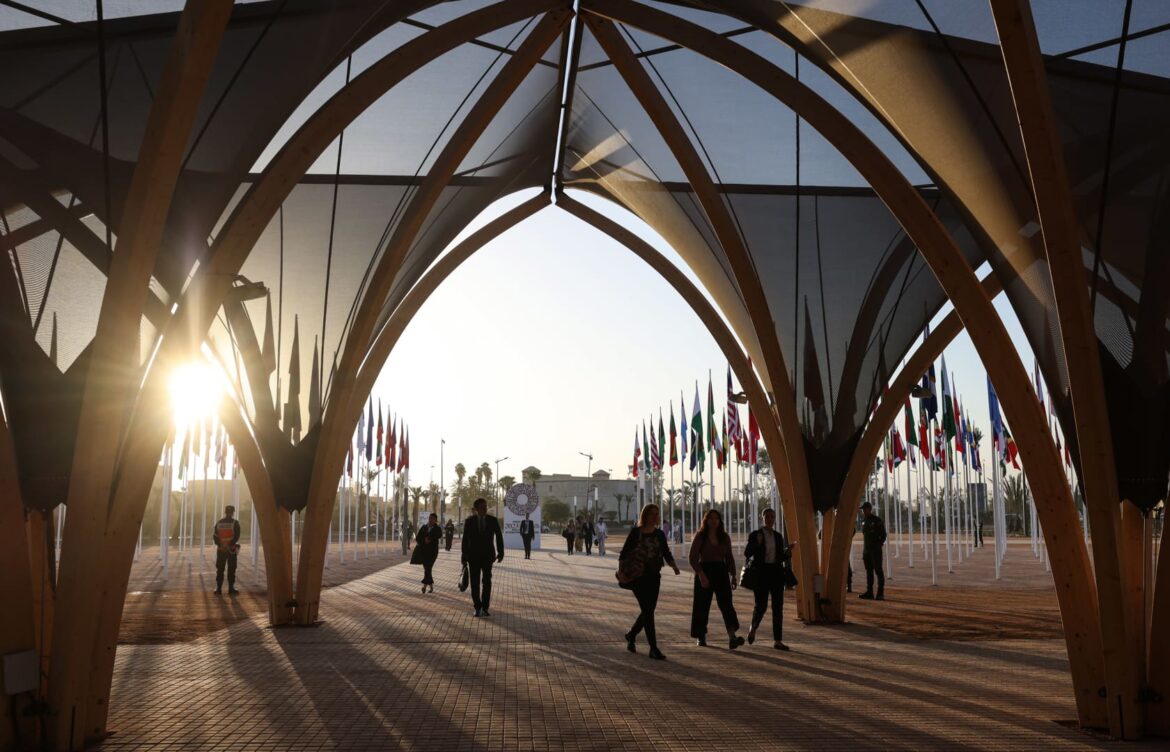
The International Monetary Fund: Pillar of Global Finance
Introduction
The International Monetary Fund (IMF) plays a crucial role in the global economy by ensuring monetary cooperation, facilitating trade, and promoting sustainable economic growth. Established in 1944, the IMF has evolved to meet the challenges of a changing economic landscape. Its relevance is increasingly apparent as countries navigate crises, recover from recessions, and adapt to the complexities of globalization.
Recent Developments
In recent months, the IMF has been at the forefront of addressing global economic issues exacerbated by factors like the COVID-19 pandemic, inflationary pressures, and geopolitical tensions. In early October 2023, the IMF released its World Economic Outlook, forecasting a moderate global growth rate of 3.2% for 2024, a decrease from previous predictions. This shift has raised concerns about stagflation in certain economies, particularly in emerging markets.
In response to the changing economic conditions, the IMF has initiated several programs to support its member countries. The Fund has approved emergency financing for nations heavily impacted by the pandemic, such as Sri Lanka and Ghana, to help stabilize their economies and maintain essential public services. Additionally, the IMF is actively working with developed nations to devise strategies aimed at countering inflation while ensuring that developing countries are not left vulnerable.
IMF’s Vision for the Future
The IMF’s mandate extends beyond crisis response. The organization is putting renewed emphasis on sustainable economic policies and gender equality. As part of its ongoing initiatives, the IMF aims to facilitate climate-friendly investments and promote financial inclusivity. A recent initiative highlights the importance of integrating green financing into national budgets, presenting an opportunity for countries to align their recovery plans with sustainable development goals.
Conclusion
The International Monetary Fund remains a pivotal institution as it adapts to the shifting economic dynamics of the global landscape. Its efforts to stabilize economies, support member nations, and advocate for sustainable practices can have significant implications for economic recovery strategies worldwide. As the IMF continues to respond to evolving challenges, its role as a steward of global financial stability becomes increasingly important, promising a future shaped by cooperative strategies and sustained growth.