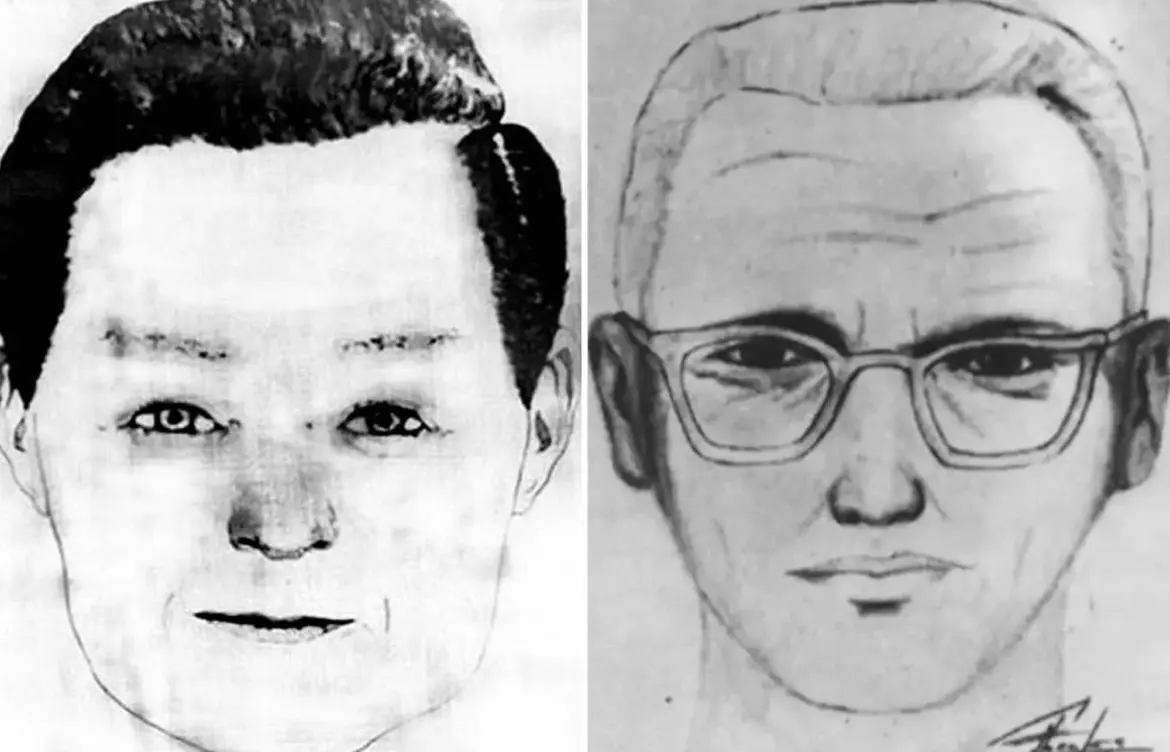
The Infamous Zodiac Killer: In Pursuit of Justice
Introduction
The Zodiac Killer remains one of the most notorious unidentified criminals in American history, captivating the public with a series of cryptic communications and brutal acts in the late 1960s. This unsolved case has intrigued investigators and amateur sleuths alike for decades, impacting popular culture and igniting the interest of various media forms, including films and podcasts. Understanding the Zodiac Killer’s case is crucial as it highlights the challenges law enforcement faces in solving cold cases and the legal implications of evolving forensic technology.
The Zodiac’s Crimes and Communications
The Zodiac Killer is linked to five confirmed murders in Northern California between 1968 and 1969, although he claimed to have taken as many as 37 lives. His first known victim was high school students Betty Lou Jensen and David Faraday, who were shot on December 20, 1968. Victims Darlene Ferrin and Michael Mageau followed a few months later, and further attacks involved the young couple, Bryan Hartnell and Cecelia Shepard, who survived a brutal encounter at Lake Berryessa in 1969. All these incidents displayed a pattern suggesting the killer enjoyed taunting police and the public.
One of the killer’s most chilling methods of communication involved sending letters to local newspapers, two of which included cryptograms. The famed 408-character cipher received widespread attention and was finally decoded in 1969, revealing a message boasting about the killings. However, despite the resolution of certain codes, many unanswered questions remain, especially regarding his true identity.
Recent Developments
Recently, advancements in DNA technology have reignited interest in the search for the Zodiac Killer. In July 2020, a group of amateur investigators named the Case Breakers announced they believed they had identified the killer as Gary Francis Poste, who died in 2018. However, the claim has not been universally accepted, with law enforcement agencies noting there has been no definitive proof. The continuing technological developments in forensic science mean that cold cases like the Zodiac will continue to be scrutinized as new methods allow for re-examinations of evidence.
Conclusion
The Zodiac Killer’s legacy continues to intrigue and alarm, serving as a reminder of both the perpetrator’s cunning and the limitations of contemporary law enforcement strategies prevalent in the 1960s. As interest in true crime and unsolved mysteries persists in today’s culture, the ongoing evolution in forensic technology may finally lead to the closure that has eluded families and investigators for over five decades. For readers drawn to this chilling tale, the Zodiac Killer remains a pivotal study of crime, investigation, and the enduring quest for justice.