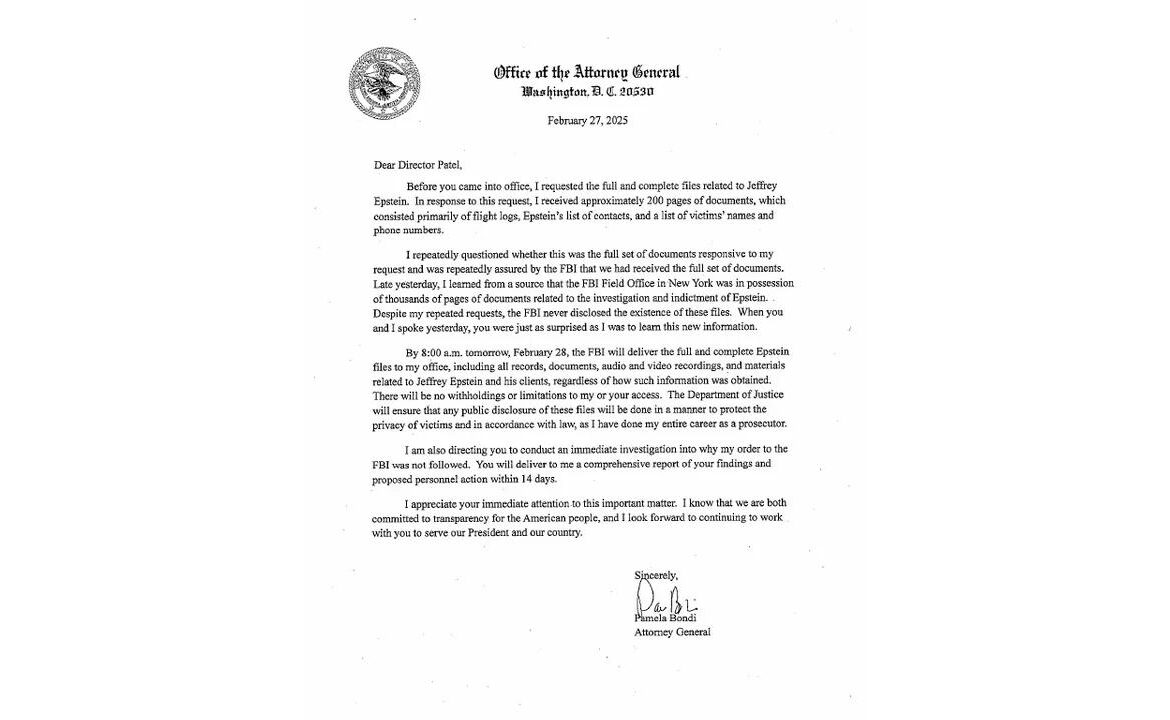
The Importance of the Jeffrey Epstein Files: A DOJ Perspective
Introduction
The release of the Jeffrey Epstein files by the Department of Justice (DOJ) has reignited public interest and scrutiny regarding the notorious financier’s activities and connections. The documents, which detail investigations into Epstein’s alleged sex trafficking network, are pivotal in understanding the judicial process surrounding high-profile cases involving influential individuals. The public’s demand for transparency and accountability in such matters cannot be understated, especially since Epstein’s controversial death in 2019 raised numerous questions about judicial integrity and systemic failings.
Details of the Epstein Files
The DOJ has recently made a significant portion of its files related to Jeffrey Epstein publicly available in PDF format. These documents include investigative reports, witness statements, and previously classified materials that shed light on Epstein’s operations and the extent of his influence. Notably, the files contain detailed accounts of the alleged victims, providing insight into the mechanisms of exploitation that occurred over several years.
In addition to offering firsthand narratives from survivors, the release highlights the involvement of numerous well-known public figures and the various legal maneuvers employed by Epstein’s legal team to shield him from accountability. These revelations pose critical questions regarding the social, legal, and political landscapes that permitted such activities to take place over an extended period. The files also detail various legal proceedings initiated against Epstein, revealing a troubling pattern of ineffective judicial responses and failed regulatory oversight.
Public and Legal Reactions
The public reaction to the published files has been one of outrage mixed with a call for further action. Advocacy groups and legal experts are now urging lawmakers to examine the systemic issues revealed within the documents. The implications for laws surrounding trafficking, exploitation, and the accountability of powerful individuals are undeniable. Many commentators argue that the failure to act when evidence arose over the years is a reflection of a larger societal issue concerning privilege and abuse.
Moreover, the DOJ’s release has timely arrived alongside legislative efforts aimed at reforming procedural practices and strengthening the legal framework against human trafficking. This renewed focus calls for greater vigilance and reform to ensure that similar situations do not arise in the future.
Conclusion
The release of the Jeffrey Epstein files by the DOJ serves as both a significant turning point in the fight against human trafficking and a somber reminder of past failures. As the public continues to grapple with the implications of these revelations, stakeholders must push for enhanced transparency and reform to protect potential victims moving forward. The spotlight on Epstein’s case not only uncovers the past but also paves the way for a judicial system that is more adaptive to the needs of protecting vulnerable populations and enforcing laws against exploitation.