The Importance of GDP in Economic Analysis
Introduction
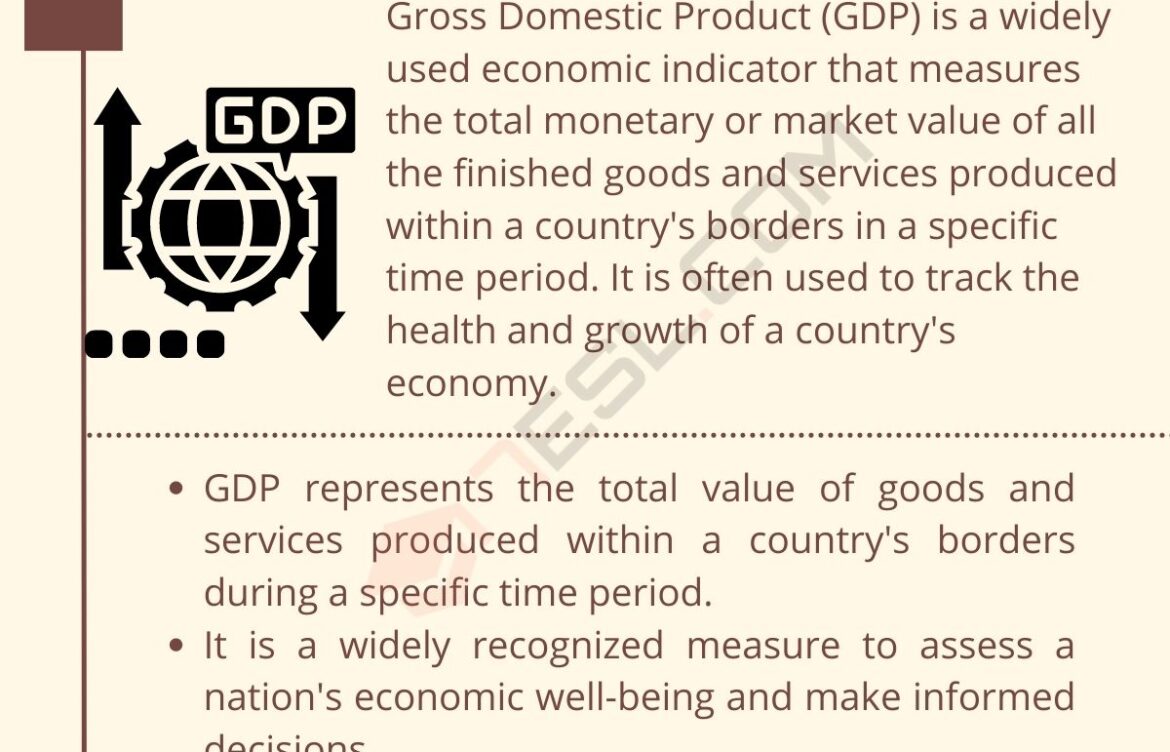
Gross Domestic Product (GDP) stands as a key indicator of a nation’s economic performance. It reflects the total value of goods and services produced within a country over a specified period and is crucial for understanding the economic health, productivity, and growth trajectory of a nation. Policymakers, economists, and investors closely monitor GDP changes as it influences government policies, business investments, and consumer confidence.
Current Trends in GDP
As of the third quarter of 2023, the United States reported a GDP growth rate of 4.9%, a significant increase compared to previous quarters, indicating a robust economic recovery post-pandemic. This growth is driven by strong consumer spending, business investments, and an upturn in exports. According to the Bureau of Economic Analysis (BEA), private consumption expenditure surged by 5.5%, showcasing consumers’ willingness to spend amidst rising inflation rates. However, inflation remains a key concern, with the Consumer Price Index (CPI) indicating a year-on-year increase of 3.7% in September 2023, which may affect future GDP growth outlooks.
Global GDP Context
Globally, GDP trends reflect mixed outcomes. The International Monetary Fund (IMF) anticipates that the world economy will see a slow recovery, with a projected growth rate of 3.2% for 2023. Economic challenges remain pervasive in several countries, particularly in Europe, where energy crises and inflation from the ongoing conflict in Ukraine continue to stymie growth. Emerging economies, particularly those in Asia, show resilience, with forecasts suggesting a stronger growth rate driven by technology and service sector expansion.
Significance of Monitoring GDP
Monitoring GDP is not merely an academic exercise; it has real-world implications. Policymakers use GDP data to shape fiscal and monetary policy, adjusting tax rates and interest rates to manage economic growth. For businesses, understanding GDP trends can inform investment decisions, helping to navigate potential markets and consumer behavior. Moreover, for citizens, awareness of GDP trends can foster understanding of economic conditions, influencing personal financial decisions.
Conclusion
In summary, GDP remains an essential barometer of economic health and future potential. As we observe the fluctuations in GDP growth locally and globally, it is evident that economic trends directly affect government policies and individual lives. With ongoing challenges such as inflation and geopolitical tensions, the significance of accurately assessing and understanding GDP will only grow in importance. Its role in guiding economic strategies will continue to be pivotal for nations aiming for sustainable growth in a rapidly changing world.