The Importance of Daylight Savings Time
Introduction
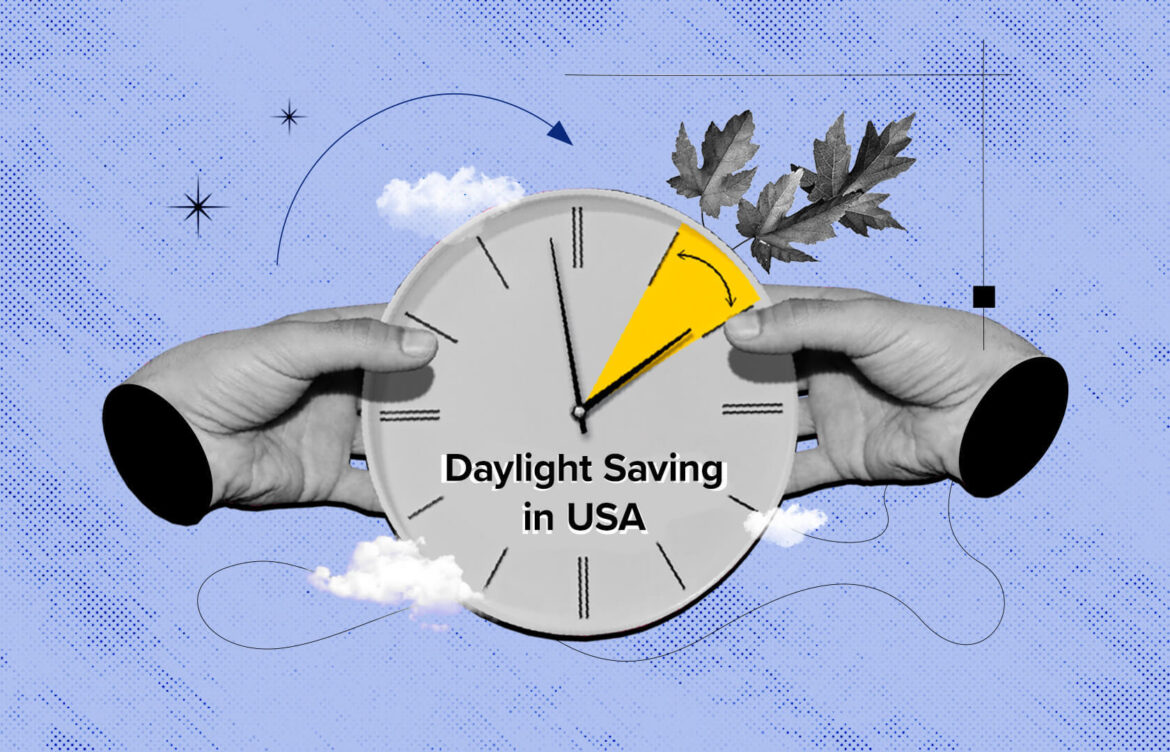
Daylight Savings Time (DST) is a practice that involves setting clocks forward by one hour during the warmer months in order to extend evening daylight. This change, typically enacted in the spring, aims to maximize daylight in the evening hours, promoting outdoor leisure activities and reducing the reliance on artificial lighting. Understanding DST is important as it affects various aspects of our daily lives, from our sleep patterns to energy consumption, and has significant implications for public health, safety, and convenience.
Current Events and Implementation
In the United States, DST begins on the second Sunday in March and ends on the first Sunday in November. As of 2023, many states have voiced concerns regarding the detrimental effects of changing clocks each year. Several states, including Florida and California, have proposed legislation to remain on daylight saving time year-round. The debate around DST is intensified by research suggesting that shifting time can lead to health issues, including increased rates of heart attacks and sleep disorders.
Recent studies conducted by the National Institute of Health have indicated that the transition into and out of DST can disrupt circadian rhythms, adversely affecting sleep quality. For instance, studies following the spring transition have shown a 24% increase in the likelihood of heart attacks on the Monday following the switch. These findings are pushing lawmakers to reevaluate the necessity and efficacy of DST.
Public Response and Future Considerations
The public response to DST varies widely, with some individuals celebrating the extra hour of daylight while others struggle with the abrupt schedule change. Policymakers are beginning to recognize the need for a comprehensive approach when discussing DST. Potential benefits of keeping a consistent time year-round include eliminating confusion and the risk of accidents associated with the changes.
Conclusion
The future of Daylight Savings Time in the United States remains uncertain. As discussions continue in state legislatures regarding its potential elimination or reform, the debate raises essential questions about our relationship with time. The implications of DST influence not only individual schedules but also broader economic and health outcomes. As society evolves, so too might the practices surrounding daylight savings, potentially paving the way for a more permanent solution that works for the majority.