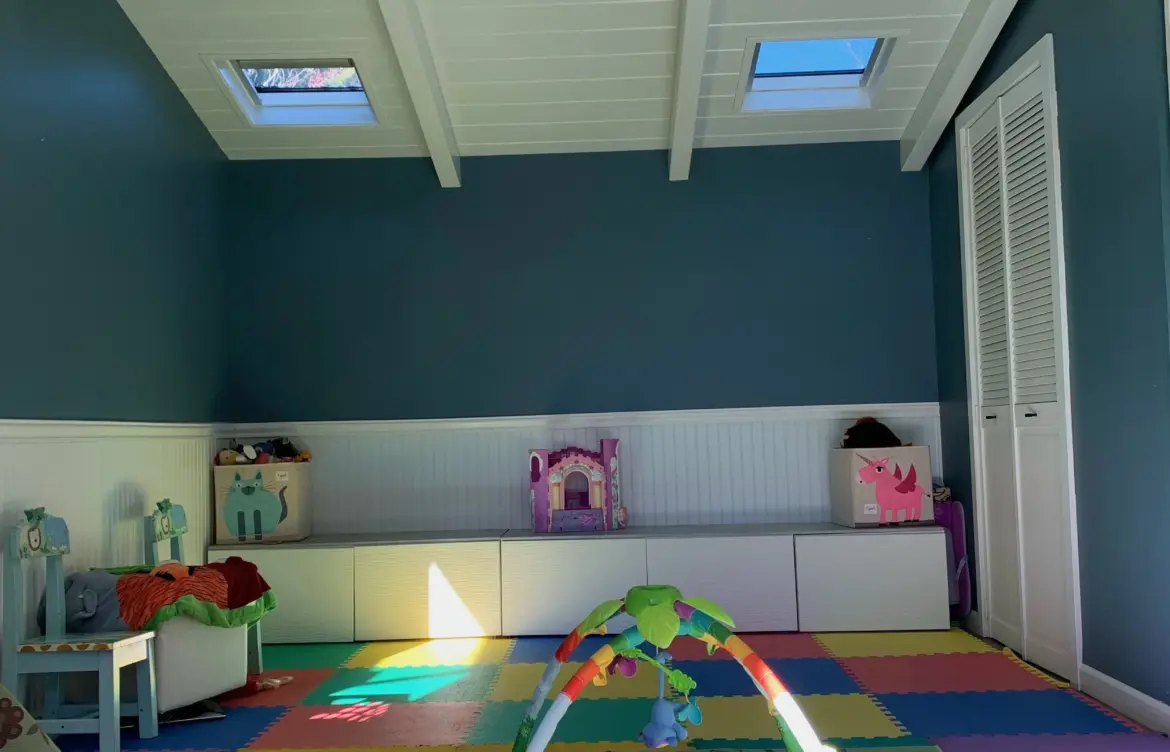
The Importance of Daycare in Child Development
Introduction
The concept of daycare is a pivotal aspect for many families across the United States. As parents navigate the demands of work and family life, daycare centers provide essential care and support for children. With approximately 12 million children under the age of five in some form of daycare, understanding its importance is crucial for both parents and society.
Daycare’s Role in Early Development
Daycare environments offer not just supervision but also educational opportunities that promote early childhood development. Multiple studies have shown that children who attend high-quality daycare programs benefit from enhanced cognitive skills, social interactions, and emotional well-being. According to data from the National Institute of Child Health and Human Development, children in quality daycare settings score better on tests measuring language and math skills than those who do not attend these programs.
Socialization and Peer Interaction
One significant advantage of daycare is the exposure to socialization with peers. Children learn crucial communication skills, empathy, and team collaboration through interactions with others. These formative experiences build foundational skills that will serve them well in future educational settings and in their adult lives. Moreover, many daycare programs incorporate structured activities that foster these interactions, such as group play and collaborative learning projects.
Support for Working Parents
For working parents, daycare is often a necessity that allows them to maintain employment while ensuring their children are cared for in a safe environment. The growth of remote work has also seen an increase in the demand for flexible daycare options, including part-time care and drop-in services. This flexibility can help parents balance work commitments without compromising their child’s developmental needs.
Challenges and Considerations
However, despite the benefits, daycare comes with its own set of challenges. Availability and affordability continue to be significant concerns for many families. The Child Care Aware of America reported that the average annual cost of center-based daycare for infants ranges between $5,000 and $20,000, depending on the state. Additionally, parents must be diligent in assessing the quality of daycare providers, focusing on staff qualifications, child-to-staff ratios, and facility conditions.
Conclusion
As we look to the future, the role of daycare in child development appears increasingly important. Quality daycare programs provide invaluable resources that aid in cognitive and social development while supporting the needs of working families. Policymakers and communities must prioritize access to affordable, high-quality daycare options to ensure that all children have the opportunity to thrive in their early years. This support is essential not only for families but also for the societal fabric as a whole, ultimately cultivating healthier, well-rounded future generations.