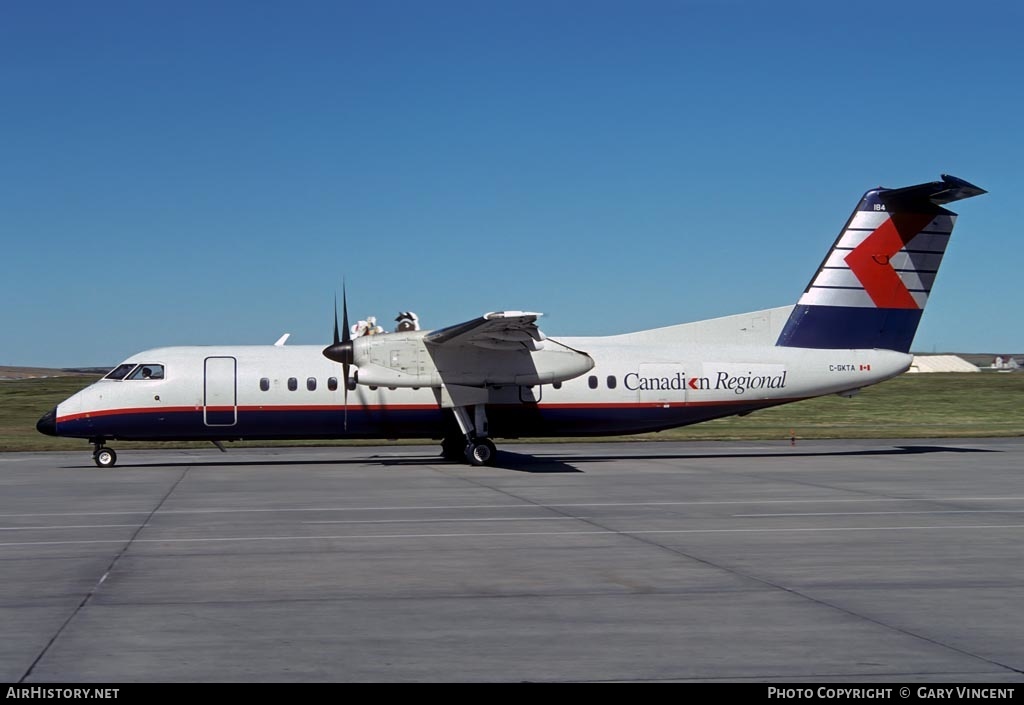
The Importance and Future of Regional Airlines
Introduction
Regional airlines play a critical role in the aviation industry, serving smaller markets that larger carriers often overlook. With the ongoing recovery from the COVID-19 pandemic, the importance of regional airlines has become even more apparent as they help reconnect communities and provide vital access to air travel. In the U.S., regional carriers operate thousands of flights daily, forming an essential link in the air transportation system.
Recent Developments in Regional Airlines
As of 2023, regional airlines have been experiencing a gradual resurgence with demand steadily increasing for domestic travel. Airlines like SkyWest, Envoy Air, and Republic Airways continue to expand their services, driven by partnerships with major carriers such as United, American, and Delta. According to the Regional Airline Association (RAA), regional airlines accounted for approximately 42% of domestic passenger traffic pre-pandemic, a figure that is expected to increase as travel rebounded.
Several regional airlines are enhancing their fleet with modern aircraft to improve passenger comfort and operational efficiency. For instance, the introduction of the Embraer E-Jets and Bombardier CRJ series has allowed regional carriers to offer more reliable services. In addition, many regional airlines are investing in upgraded technology systems to streamline operations and enhance customer experience.
Challenges Facing Regional Airlines
Despite the promising signs, regional airlines face significant challenges. Pilot shortages have become a pressing issue, as many experienced pilots have retired during the pandemic, and new training programs have not yet fully filled the gap. The RAA estimates that several hundred pilot vacancies could hinder the growth of regional airlines in the coming years.
Moreover, rising operational costs, including fuel prices, maintenance, and labor, are impacting profit margins. Regional airlines often work on thinner margins compared to their larger counterparts, making cost management critical for their survival in a competitive air travel market.
Conclusion
In conclusion, regional airlines remain a vital component of the aviation industry, providing indispensable services to underserved communities. As travel demand resumes and operational challenges are addressed, the future of regional airlines looks cautiously optimistic. Stakeholders within the industry must focus on nurturing talent, streamlining costs, and embracing new technologies to sustain growth and adapt to an ever-evolving landscape. For travelers, the continued vitality of regional airlines means greater connectivity and access to air travel, making it essential to closely monitor the trends impacting this sector.