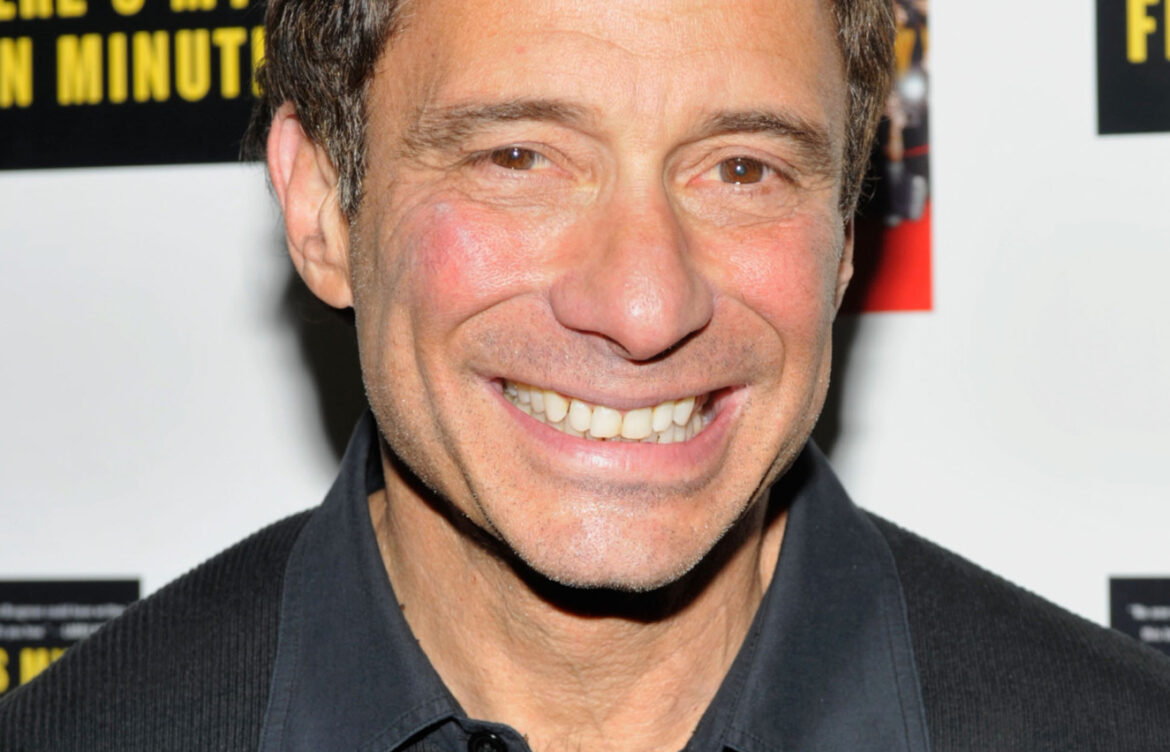
The Impact of Harvey Levin on Media and Entertainment
Introduction
Harvey Levin, the founder of TMZ and a prominent figure in the entertainment industry, has significantly influenced the way celebrity news is reported and consumed. His approach combines traditional journalism with a keen understanding of public interest, making his work relevant in today’s fast-paced media landscape. With over three decades of experience in broadcasting and journalism, Levin’s career serves as a case study in the evolution of media in the digital age.
Early Life and Career
Born on September 2, 1950, in Los Angeles, California, Harvey Levin started his professional life as a lawyer. He practiced law for several years before shifting gears to journalism, working as a legal analyst for KCBS television, which marked his entry into media. Levin’s ability to blend his legal background with media insights paved the way for his groundbreaking role at the intersection of entertainment and law.
The Birth of TMZ
In 2005, Harvey Levin launched TMZ, a celebrity news website that quickly rose to prominence due to its exclusive content and real-time reporting. TMZ was revolutionary; it was one of the first outlets to leverage the internet to provide up-to-the-minute news on celebrities, often breaking stories before traditional media. The blend of humor, irreverence, and accuracy turned TMZ into a household name, setting new standards in entertainment journalism.
Controversies and Criticism
Despite its success, TMZ has not been without controversy. The site has been criticized for its aggressive tactics in acquiring stories and its ethical considerations regarding privacy. Harvey Levin’s approach to journalism has sparked discussions about the moral implications of celebrity coverage, often blurring the lines between public interest and invasion of privacy. Levin has defended his methods, arguing that informing the public about public figures is a crucial aspect of media.
Current Role and Influence
Today, Levin continues to lead TMZ and remains a significant figure in discussions around media ethics, celebrity culture, and the changing landscape of news reporting. His influence is seen not just in entertainment news but also in how television shows present legal and celebrity issues, echoing his own legal background. Beyond TMZ, Levin has expanded his brand, producing several television specials and participating in various media ventures.
Conclusion
Harvey Levin’s contributions to modern media highlight the shifting nature of journalism and the increasing interplay between entertainment and public discourse. As digital platforms continue to evolve, Levin’s approach serves as a reflection of both the opportunities and challenges journalists face today. As readers and viewers consume news more rapidly through various channels, Levin’s impact on celebrity journalism will likely remain a topic of interest in understanding the future of media.