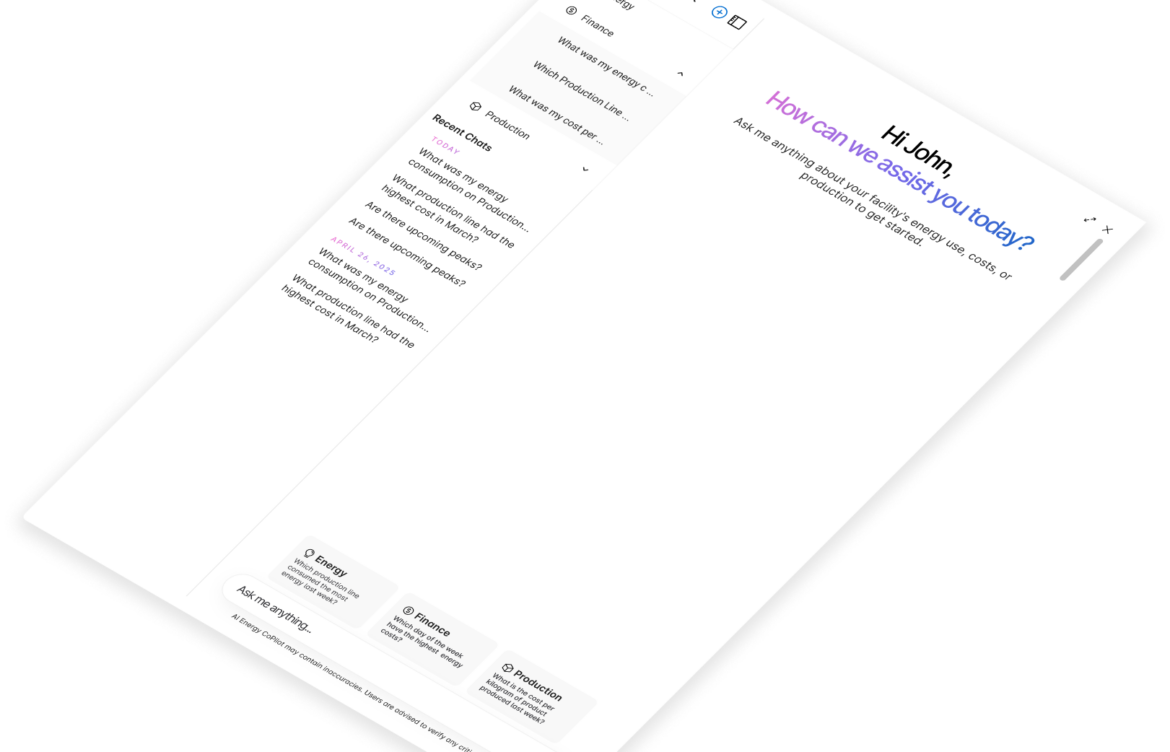
The Impact of Copilot AI on Modern Workplaces
Introduction: The Rise of Copilot AI
As artificial intelligence continues to advance, one of the latest innovations capturing attention is Copilot AI. This technology, built to assist users in various tasks, from coding to content creation, is transforming the way professionals work, collaborate, and innovate. Its relevance is heightened by the ongoing push for efficiency and productivity in a world that increasingly relies on digital solutions.
What is Copilot AI?
Copilot AI, developed by prominent technology companies, acts as an intelligent assistant that integrates with software applications to streamline workflows. By analyzing user inputs and providing real-time suggestions, it empowers users to work smarter and faster. For example, programming teams utilize Copilot AI tools to generate code snippets, thus reducing development time and minimizing errors.
Key Features and Applications
One of the standout features of Copilot AI is its ability to learn and adapt to user preferences over time. It not only suggests solutions based on previous actions but also predicts needs based on context. The applications are wide-ranging: from drafting emails and creating marketing content to aiding students in their research. Companies such as Microsoft and GitHub have already integrated Copilot AI into their platforms, illustrating its versatility in enhancing workplace productivity.
Current Trends and Events
In recent developments, several organizations have begun to integrate Copilot AI systems into their existing workflows. For instance, Microsoft has rolled out enhancements in Microsoft 365 that harness Copilot AI to offer organizational insights and improve collaboration among teams. Furthermore, educational institutions are exploring its use in enhancing student engagement and learning outcomes. As businesses aim to remain competitive, the adoption of Copilot AI appears inevitable.
Challenges and Considerations
Despite the benefits, the integration of Copilot AI is not without its challenges. Issues related to data privacy, the potential for dependency on AI systems, and the need for extensive training and adjustment are crucial considerations that organizations must address. Furthermore, ensuring that these AI systems are free from bias and ethically sound remains a priority for developers.
Conclusion: The Future of Copilot AI
As Copilot AI continues to evolve, its significance for businesses and individual professionals cannot be overstated. The technology promises to revolutionize our approach to work, making tasks more manageable and efficient. Looking forward, we can expect broader adoption and further advancements that will enhance capabilities across various sectors. Ultimately, embracing Copilot AI could be key to thriving in the increasingly digital and competitive landscape of tomorrow’s workforce.