The Impact of Bernice King on Social Justice
Introduction
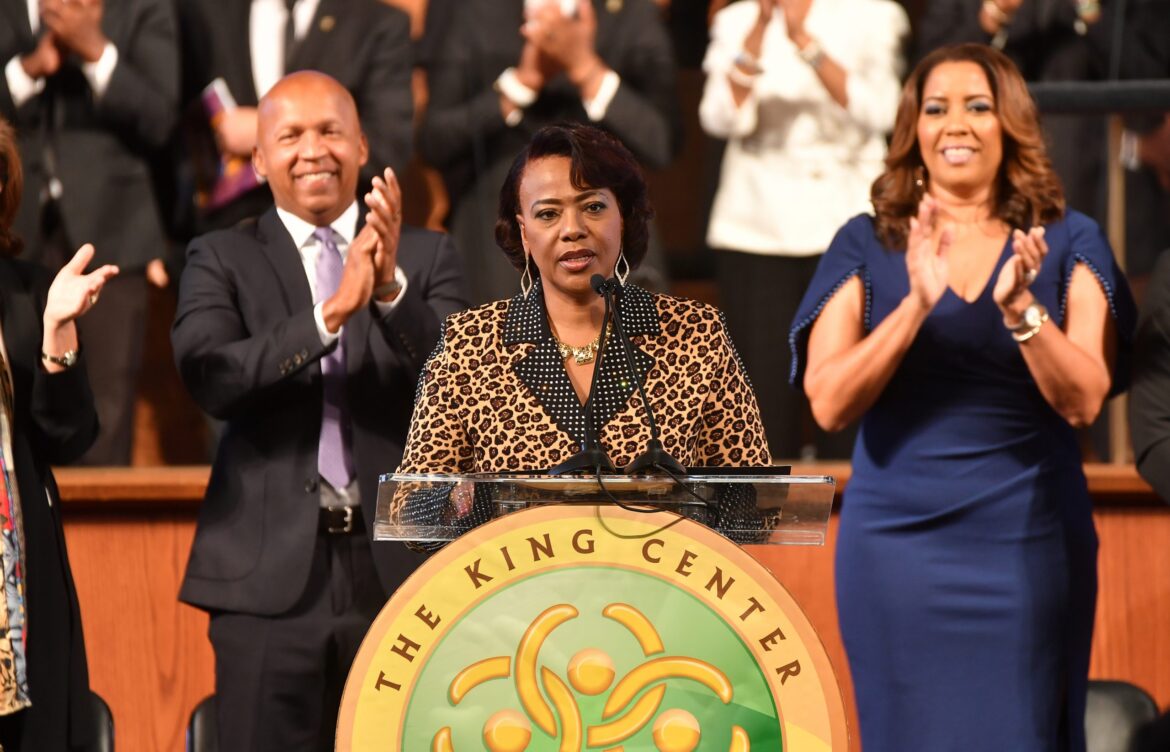
Bernice King, the youngest daughter of Dr. Martin Luther King Jr. and Coretta Scott King, plays a crucial role in continuing her family’s legacy of activism and social justice. Her work is increasingly relevant in today’s climate, where issues of racial equality, justice, and civil rights are at the forefront of national discourse. As the CEO of the King Center, she has dedicated her life to advocating for nonviolent social change and promoting her father’s teachings.
A Lifelong Commitment to Activism
Bernice King has been a steadfast advocate for civil rights and social justice, harnessing her voice to address various issues, including racism, gender inequality, and economic justice. In recent years, she has been vocal about the need for systemic change, particularly in light of the protests against racial injustice following the murder of George Floyd in 2020. In her speeches and public appearances, King emphasizes the importance of nonviolence and love in the pursuit of justice, core tenets taught by her father.
Leadership at the King Center
As the leader of the Martin Luther King Jr. Center for Nonviolent Social Change, Bernice King oversees programs that educate the public on the principles of nonviolence and social action. Under her leadership, the center has expanded its outreach and is involved in various initiatives aimed at empowering individuals to take action in their communities. The King Center has been instrumental in organizing events that commemorate her father’s legacy and promote educational programs that celebrate civil rights history.
Bernice King’s Advocacy in the Digital Age
In addition to her work at the King Center, Bernice King has adeptly utilized social media platforms to reach a broader audience. Through her active online presence, she shares messages of hope and empowerment, connecting with a global community that advocates for justice and equality. Her ability to engage with younger generations has garnered her significant attention, as she inspires many to join the fight for civil rights today.
Conclusion
Bernice King’s contributions to the civil rights movement and her ongoing advocacy for justice exemplify her commitment to her father’s legacy. As society grapples with complex issues surrounding race and equality, her role becomes increasingly vital. Moving forward, it is expected that she will continue to lead efforts in fostering dialogue around social justice, encouraging both reflection and action within communities. Bernice King’s dedication reinforces the notion that the fight for equality is far from over, urging the next generation to carry on her family’s mission for a just and equitable world.