The Impact of AI in Healthcare: Transforming Patient Care
Introduction
The integration of artificial intelligence (AI) in healthcare is becoming increasingly vital as the industry evolves to meet modern challenges. With advancements in technology, AI has the potential to enhance patient care, streamline operations, and improve health outcomes. Its relevance has seen a surge, particularly in light of the COVID-19 pandemic, prompting healthcare professionals to seek innovative solutions to provide effective treatments and manage resources efficiently.
AI Applications in Healthcare
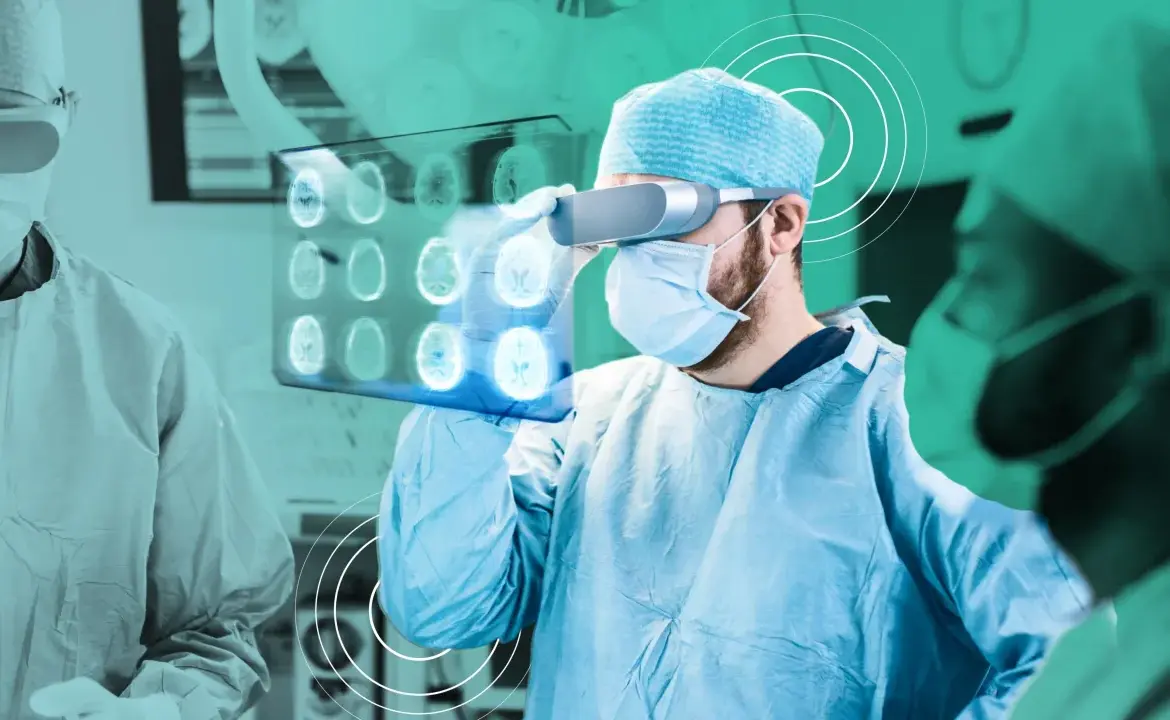
AI technologies are being utilized across various sectors within healthcare. One of the key applications is in diagnostics, where algorithms analyze medical images and data to detect diseases such as cancer and pneumonia with high accuracy. A recent study revealed that AI systems can outperform human radiologists in specific imaging tasks, leading to faster and more accurate diagnoses.
Beyond diagnostics, AI plays a crucial role in personalized medicine. Machine learning algorithms analyze patient data to tailor treatment plans based on individual genetic profiles and medical histories. This approach not only enhances the effectiveness of treatments but also minimizes potential side effects.
Enhancing Operational Efficiency
AI is also significantly improving operational efficiency within healthcare facilities. Hospitals are deploying AI-powered chatbots for patient engagement, appointment scheduling, and initial symptom assessments. This has reduced administrative burdens on staff, allowing healthcare professionals to focus more on patient care. A recent report from a leading health IT organization indicated that implementing AI tools could result in operational cost savings of up to 15% in hospitals.
Challenges and Considerations
Despite its benefits, the implementation of AI in healthcare comes with challenges. Data privacy concerns are paramount, as the sensitivity of health information requires robust security measures. Additionally, healthcare providers must ensure that AI algorithms are trained on diverse datasets to avoid biases that could lead to disparities in care.
Conclusion
The future of AI in healthcare appears promising, with ongoing advancements anticipated to enhance patient care and operational efficiency. As technology evolves, the healthcare industry will likely see increased adoption of AI tools. For patients, this means receiving more accurate diagnoses, personalized treatment plans, and overall improved health outcomes. However, addressing privacy and ethical concerns will be crucial to fully realizing the potential of AI in this sector.