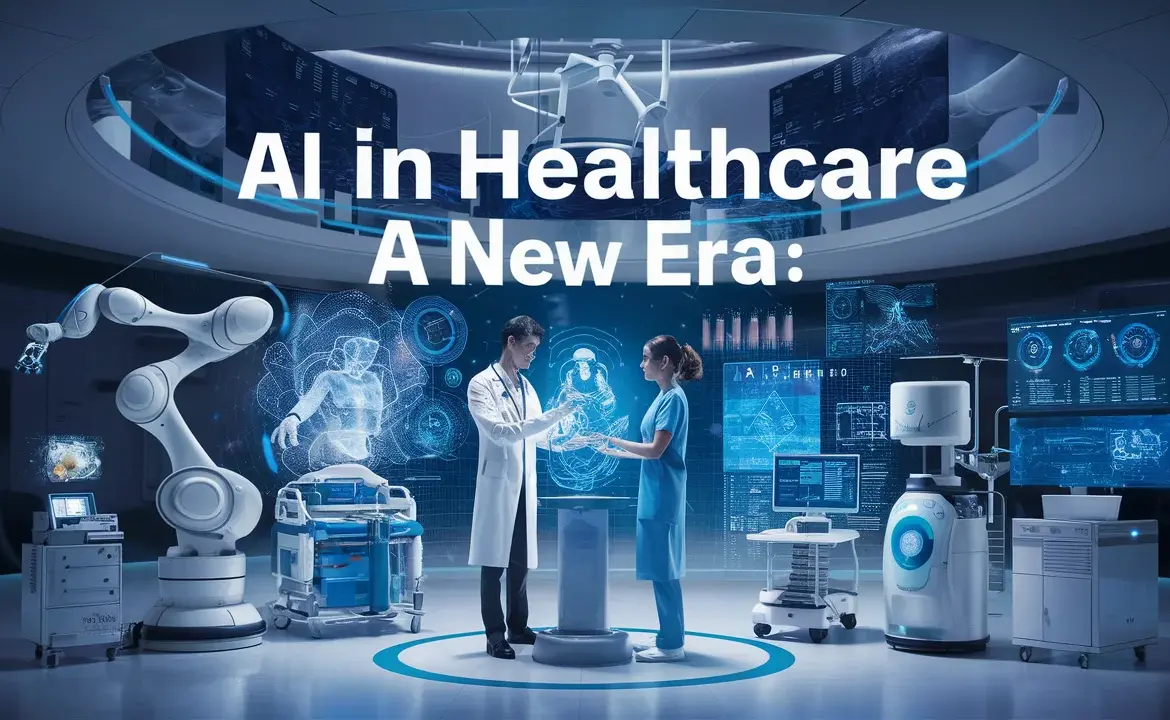
The Impact of AI in Healthcare: A New Era of Medicine
Introduction
The integration of artificial intelligence (AI) in healthcare is rapidly becoming a game changer in the medical field. With the ability to analyze vast amounts of data quickly, AI technologies are transforming patient care, improving diagnostic accuracy, and optimizing operational efficiencies. As the healthcare sector struggles with challenges like rising costs and staffing shortages, AI offers solutions that have the potential to enhance the quality of care delivered to patients.
AI Applications in Healthcare
AI applications in healthcare are diverse, ranging from predictive analytics to robotic surgery. Machine learning algorithms, for instance, are increasingly used to analyze patient data for early detection of diseases such as cancer and diabetes. A study from the Journal of the American Medical Association highlighted that AI models can outperform human radiologists in identifying tumors in imaging scans, leading to earlier interventions and improved patient outcomes.
Moreover, AI-driven chatbots are now being employed to handle patient inquiries, schedule appointments, and even provide preliminary health assessments. These tools not only enhance the patient experience but also alleviate the workload on healthcare professionals, allowing them to focus more on direct patient care.
Recent Developments
Recent advancements in AI technology have accelerated its adoption in various healthcare applications. For example, tech giants like Google and IBM are collaborating with healthcare providers to develop AI systems that read electronic health records (EHRs) more effectively. This capability allows for improved patient management and personalized treatment plans based on comprehensive health data analyses.
In 2023, the FDA approved several AI-based software products for use in diagnostics and patient monitoring, marking a significant step forward in the regulatory acceptance of AI technologies in healthcare settings. This regulatory support is crucial as it paves the way for broader implementation and healthcare provider trust in AI solutions.
Future Outlook
Looking ahead, the future of AI in healthcare appears promising. As more data becomes available and AI algorithms continue to improve, the potential for enhanced patient outcomes is substantial. However, the ethical implications and data privacy concerns associated with AI must be addressed to maintain public trust and ensure equitable access to these innovations.
In conclusion, AI in healthcare is not just a buzzword but a transformative force that is reshaping the landscape of medical care. As innovations continue to unfold, stakeholders in the healthcare system must work collaboratively to ensure that the benefits of AI are harnessed responsibly and reach the patients who need them most.