The Evolution of Happy Meal Toys in Fast Food Culture
Introduction
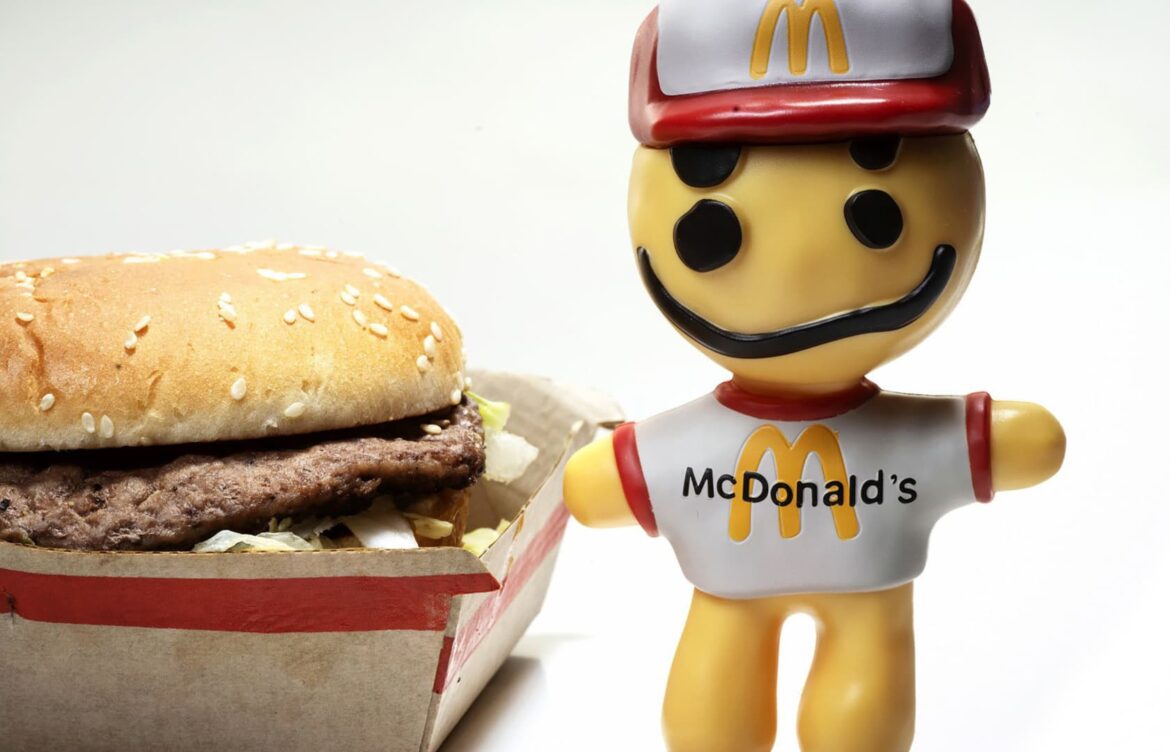
Happy Meal toys have been a cherished aspect of childhood for decades, serving not only as a fun surprise but also as a marketing tool for fast food chains. As children’s preferences change, so do the toys that accompany these iconic meals, reflecting broader trends in entertainment, technology, and sustainability.
Current Trends
Recent trends show that Happy Meal toys have evolved from simple plastic figurines to more sophisticated items. Companies like McDonald’s have embraced collaborations with popular franchises, including Disney and Pixar, to offer collectible toys based on current films and characters.
This trend aligns with consumer interests in nostalgia and character brand loyalty. Indeed, a recent survey indicated that 90% of children remember the toys from their early Happy Meals, highlighting their impact on brand engagement. Additionally, McDonald’s and other chains have begun to include toys that promote educational content, sparking interest in learning while catering to modern parental concerns about screen time.
Sustainability Initiatives
In response to increasing environmental awareness, many fast food companies have shifted towards using sustainable materials for Happy Meal toys. McDonald’s announced that it would transition to 100% of its toys being made from renewable, recycled, or certified materials by 2025. This change is significant as it represents a growing movement within the industry to reduce plastic waste and address consumer concerns about environmental impact.
Consumer Reactions
Reactions from parents and kids regarding the changes in Happy Meal toys are mixed. While many parents appreciate the move towards sustainability, children often gravitate towards toys that are fun and interactive. The newest toys often feature technology, such as augmented reality or interactive mobile applications, making them more appealing to today’s digital-savvy youth.
Conclusion
The transformation of Happy Meal toys is reflective of changing societal values surrounding childhood, entertainment, and the environment. As fast food chains continue to innovate in terms of toy design and sustainability, it will be crucial for them to balance traditional fun with contemporary expectations. Looking forward, it is expected that the demand for engaging, sustainable toys will shape the future of Happy Meals, creating memorable experiences for a new generation while maintaining the charm that has captivated children for years.