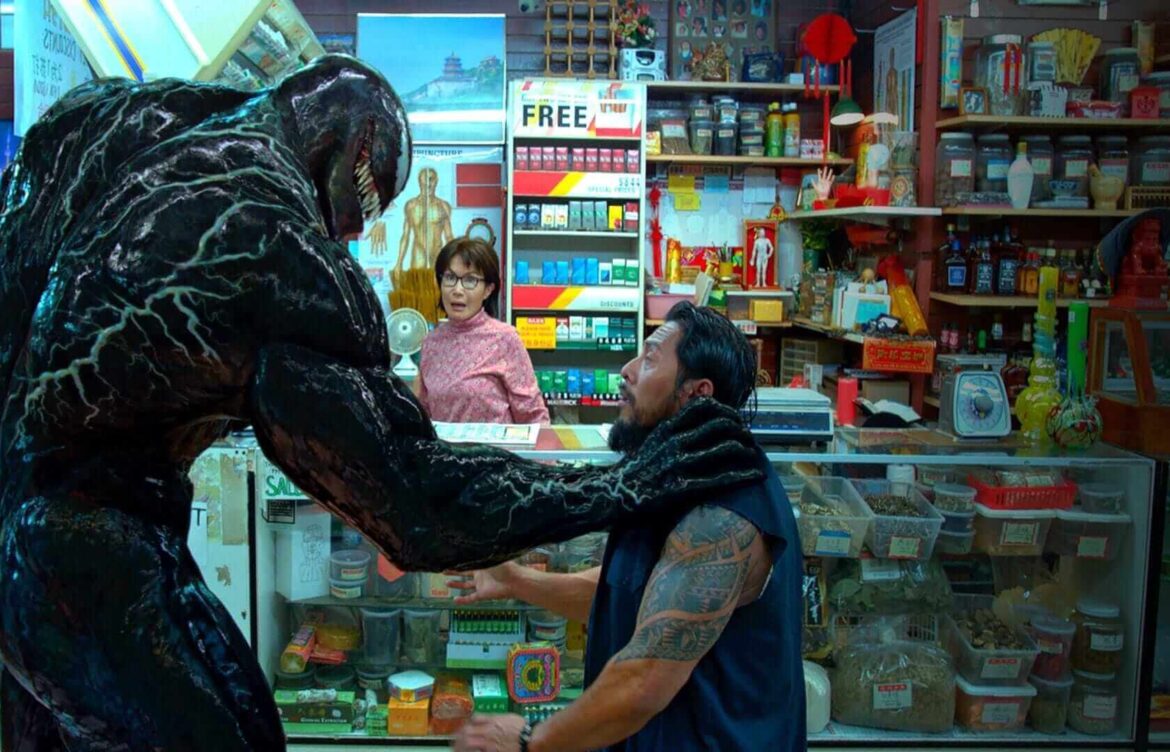
The Evolution of Film: Trends and Future Directions
Introduction
The film industry has undergone a remarkable transformation over the past century. From silent films to the rise of digital cinema, the evolution of film reflects broader societal changes, technological advancements, and the ever-shifting tastes of audiences. Understanding this evolution is crucial not only for film enthusiasts but also for anyone interested in the impact of visual storytelling on culture and society.
Current Trends in Film
As of 2023, film continues to adapt and innovate. Streaming services like Netflix, Amazon Prime, and Disney+ have reshaped distribution models, allowing audiences to access a wide range of films from the comfort of their homes. According to a recent survey by PwC, the global revenue from streaming surpassed traditional box office revenue for the first time, indicating a significant shift in how viewers consume content.
Moreover, the pandemic has accelerated this transition, forcing theaters to adapt and often close, with many filmmakers opting to release their works directly on streaming platforms. Notably, blockbuster films, such as Top Gun: Maverick and the latest Marvel entries, have found success both in theaters and on streaming, showcasing the flexibility of modern film distribution.
Technological Advancements
The integration of advanced technologies, such as virtual reality (VR) and augmented reality (AR), is also shaping the future of film. These technologies create immersive experiences, allowing viewers to engage with stories in unprecedented ways. For instance, films like Ready Player One demonstrate how immersive storytelling can be, drawing audiences deeper into the narrative.
Challenges Ahead
Despite these advancements, the film industry is not without its challenges. Issues such as copyright infringement, the search for diverse narratives, and a push for sustainable production practices are leading to ongoing debates among filmmakers, distributors, and audiences alike. Furthermore, the recent writers’ strike highlights deeper concerns about fair compensation in the industry, underlining the importance of advocating for creative professionals.
Conclusion
The film industry is at a crossroads. With rapid technological changes, evolving distribution methods, and new audience expectations, filmmakers must adapt to succeed. As we look to the future, it is clear that the landscape of film will continue to evolve, providing exciting opportunities and challenges. For viewers, this evolution means a richer tapestry of stories, voices, and experiences that reflect the world around us.