The Enduring Legacy of the Wuthering Heights Movie
Introduction
The 1939 film adaptation of Emily Brontë’s iconic novel ‘Wuthering Heights’ remains a hallmark of classic cinema. Renowned for its haunting narrative and complex characters, this film highlights the consequences of unrestrained passion and the relentless nature of love. As audiences continue to explore the themes presented in Brontë’s work, the movie’s relevance persists, inviting new generations to engage with its profound emotional depth.
The Film’s Production and Release
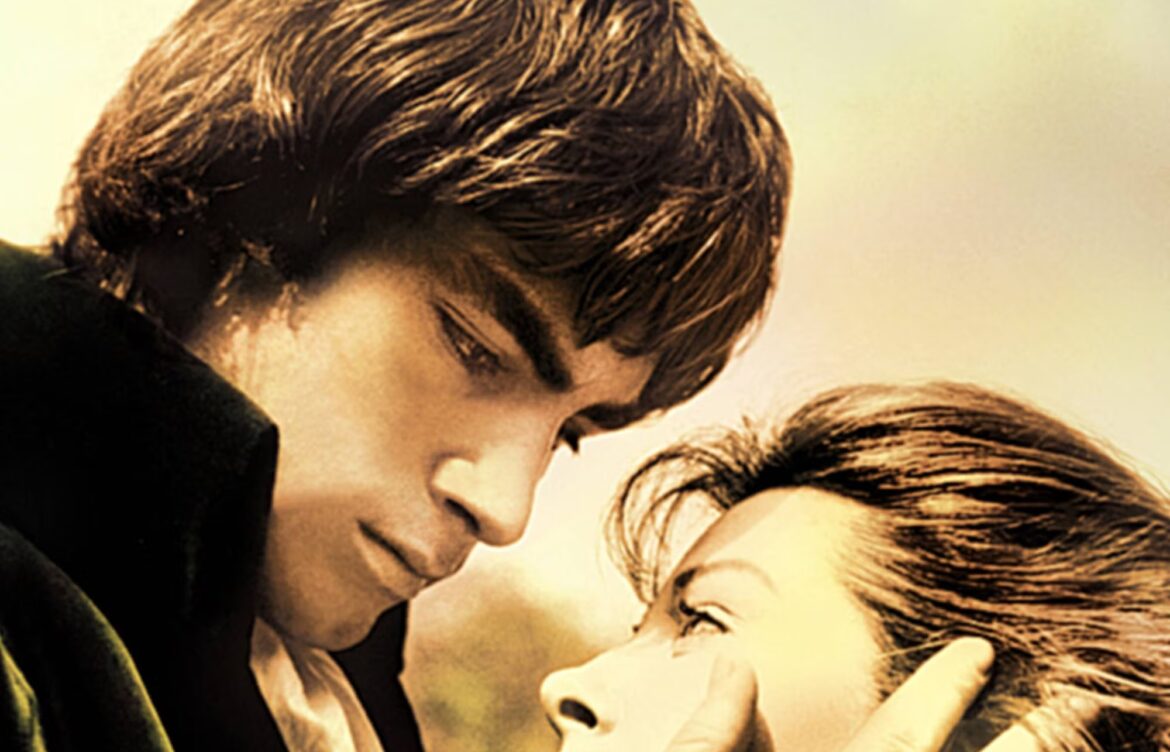
Directed by William Wyler, the film features Laurence Olivier as Heathcliff, and Merle Oberon as Catherine Earnshaw. Released during a time of significant artistic challenge in Hollywood, it gained notable acclaim for its production quality and the performances of its lead actors. Despite facing challenges such as censorship and runtime restrictions, ‘Wuthering Heights’ succeeded in capturing the essence of Brontë’s original work, although with some creative liberties necessary for the screen adaptation.
Cultural Impact and Critiques
Over the decades, ‘Wuthering Heights’ has not only influenced subsequent adaptations but also shaped the broader understanding of Gothic romance in film. Critics have praised Olivier’s portrayal of Heathcliff as one of the most compelling performances of the era, effectively embodying the tortured soul of the character. Yet, some have noted that the film’s romanticized portrayal of the tumultuous relationship between Heathcliff and Catherine sometimes overlooks the darker themes present in the novel. What remains uncontested is the film’s ability to inspire dialogue about love’s complexities and heartbreak.
Recent Adaptations and Renewed Interest
With numerous adaptations released since 1939, including the 1992 version directed by Peter Kosminksy and the more recent 2011 film, the story of ‘Wuthering Heights’ continues to captivate audiences. These adaptations tend to explore the themes from varied perspectives, bringing contemporary insights into Brontë’s narrative. The ongoing interest in reimagining this classic tale indicates the story’s timeless nature and its overarching themes relevant to modern viewers.
Conclusion
The legacy of the Wuthering Heights movie transcends its cinematic origins, reinforcing the narrative’s impact on literature and film. As adaptation after adaptation emerges, the continual exploration of Heathcliff and Catherine’s tumultuous romance signals a timeless fascination with the darker facets of love and the indomitable human spirit. As we move forward, it’s clear that ‘Wuthering Heights’ will continue to resonate, challenging and inspiring audiences for generations to come.