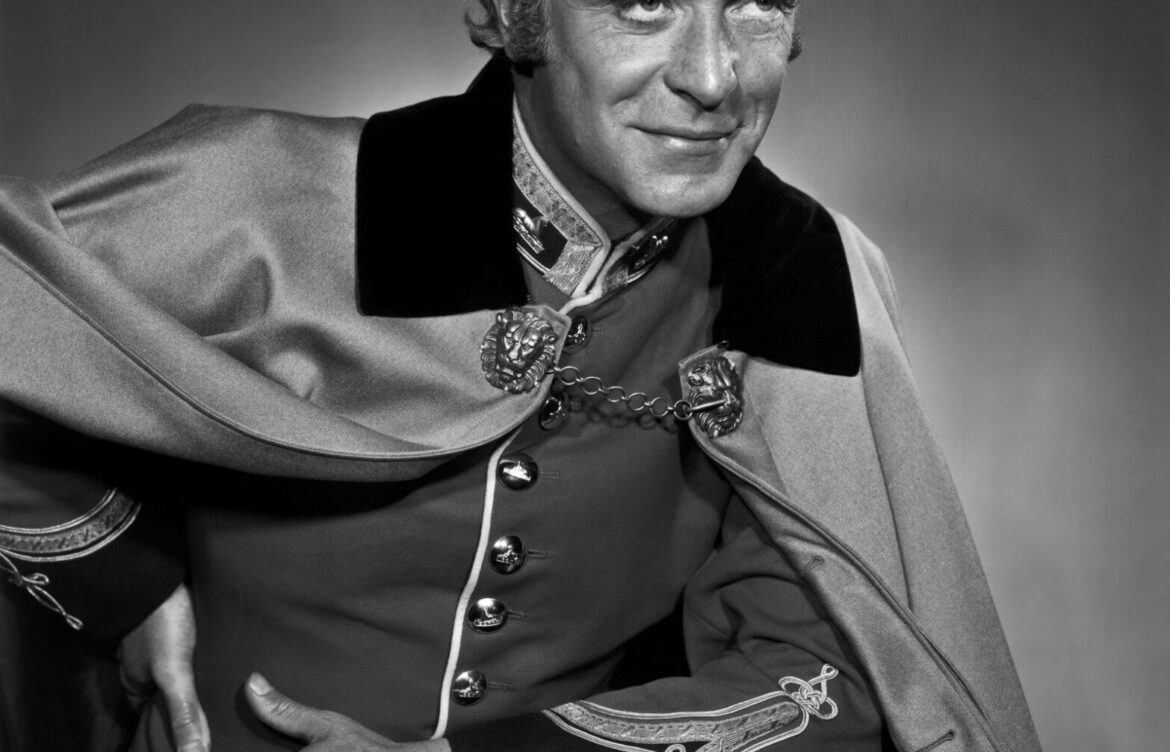
The Enduring Legacy of Michael Caine in Cinema
Introduction
Michael Caine, one of the most celebrated actors of his generation, continues to hold a significant place in the film industry thanks to his rich career spanning over six decades. Born Maurice Joseph Micklewhite Jr. in London on March 14, 1933, Caine’s journey from humble beginnings to international stardom is not just a personal triumph but also reflects the evolution of cinema itself. His contributions to film make him a relevant and noteworthy figure in contemporary discussions about acting and storytelling.
Historic Achievements
Caine’s career took off in the 1960s with roles in iconic films such as “Alfie” and “The Italian Job,” establishing him as a charismatic leading man. His signature Cockney accent and compelling performances earned him widespread recognition. Over the years, Caine has received numerous accolades, including two Academy Awards for Best Supporting Actor for his roles in “Hannah and Her Sisters” (1986) and “The Cider House Rules” (1999). This recognition solidified his status as a versatile and talented actor capable of commanding both dramatic and comedic roles.
Recent Projects and Influence
Even at the age of 90, Caine remains active in the film industry. His latest projects include appearances in films like “Tenet” (2020) directed by Christopher Nolan, reaffirming his relevance in modern cinema. Caine’s ability to adapt to new styles and genres resonates with both younger audiences and established fans. His collaborations with directors like Nolan and his ability to tackle complex characters continue to inspire new generations of actors.
Conclusion
The significance of Michael Caine’s contributions to cinema cannot be overstated. His remarkable career trajectory showcases not only the evolution of an actor but also the changing landscape of film itself. As audiences anticipate his future projects, it is clear that Michael Caine remains a vital part of the cultural fabric of filmmaking. His legacy will undoubtedly influence aspiring actors and entertain audiences for years to come, making him an irreplaceable figure in the annals of film history.