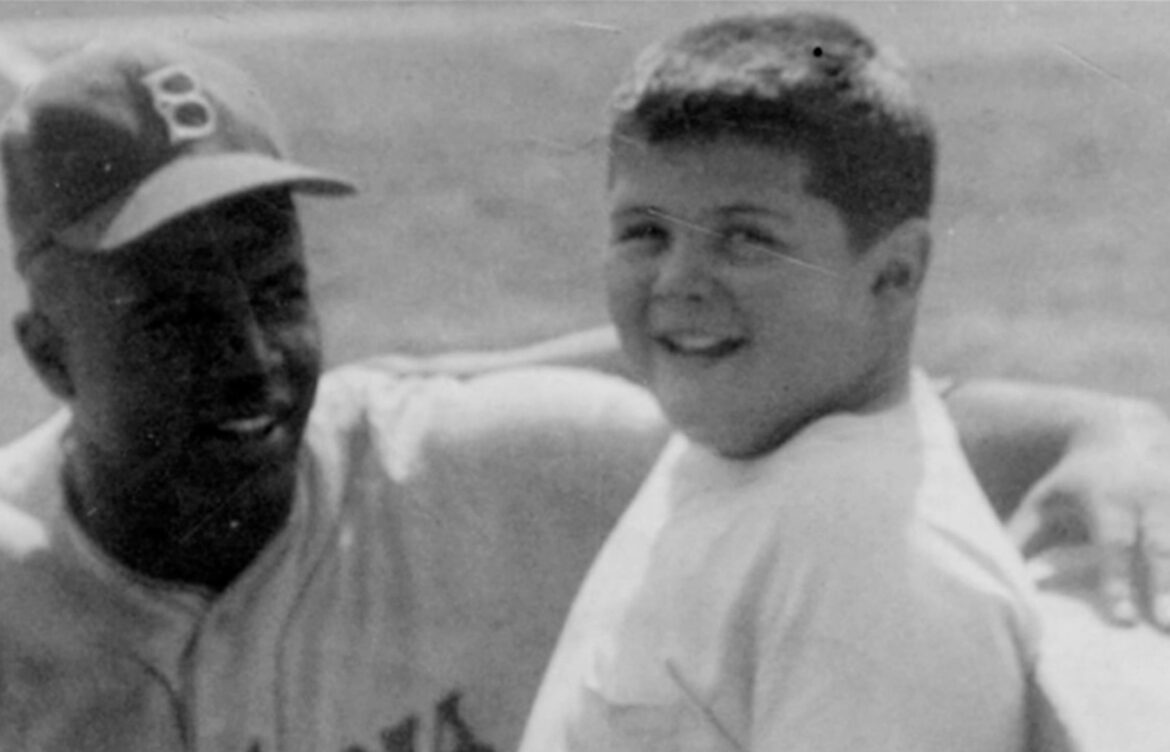
The Enduring Legacy of Jackie Robinson
Introduction
Jackie Robinson, who broke Major League Baseball’s color barrier in 1947, remains a pivotal figure in American history. His courage and success not only transformed the sport but also significantly advanced civil rights in the United States. As we commemorate the achievements of Robinson, it’s essential to recognize his lasting influence on both baseball and the broader fight for equality.
Jackie Robinson’s Historic Debut
On April 15, 1947, Jackie Robinson made his debut as the first African American player in the major leagues, playing for the Brooklyn Dodgers. His entry into the sport marked a significant turning point in baseball history and society at large, challenging decades of racial segregation. Over his ten-year career, Robinson excelled, winning the Rookie of the Year award in 1947, the Most Valuable Player in 1949, and earning six All-Star selections.
The Challenges He Faced
Despite his talent, Robinson faced intense scrutiny and hostility both on and off the field. He received racial slurs from fans and opposing players, and some teammates initially resisted playing alongside him. Robinson’s response was to maintain his composure and display remarkable resilience. His ability to withstand such adversity is a testament to his character and determination. This paved the way for future generations of African American athletes.
Impact Beyond Baseball
Robinson’s influence extended beyond the baseball diamond. He became an outspoken advocate for civil rights after retiring from baseball in 1956. His post-baseball endeavors included working with the NAACP and other organizations to promote racial equality. In 1962, Robinson was inducted into the Baseball Hall of Fame, recognizing his accomplishments and the barriers he broke.
Conclusion
Jackie Robinson’s legacy is not just limited to his on-field achievements; it embodies the struggle for social justice and equality. As we continue to celebrate his contributions, it is crucial for us to reflect on the lessons he imparted about courage, resilience, and the ongoing fight against discrimination. Robinson’s story inspires current and future generations to advocate for change, emphasizing that sports can be a powerful vehicle for social progress. Today, on April 15, we honor his memory with Jackie Robinson Day in Major League Baseball, where players across the league wear his iconic number 42, ensuring that his legacy continues to inspire.