The Enduring Legacy of Harold and Maude
Introduction
Released in 1971, Harold and Maude is a film that has transcended generations, showcasing themes of love, life, and acceptance of mortality. Directed by Hal Ashby and featuring a unique blend of dark comedy and romance, the film explores the unlikely relationship between a young man obsessed with death and an eccentric older woman who embraces life. Its importance and relevance continue to resonate, particularly in an era marked by existential questioning and a search for meaningful connections.
Plot Overview
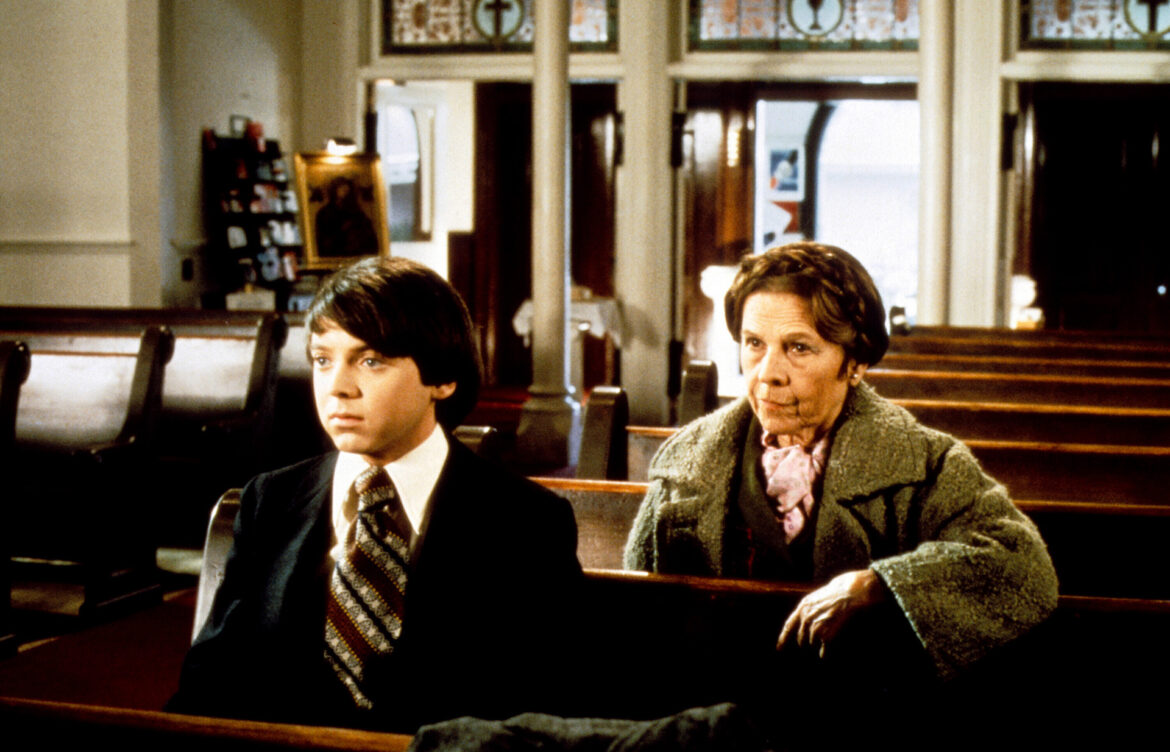
Harold Chasen, portrayed by Bud Cort, is a young man who engages in macabre activities, including staging elaborate suicide attempts to gain attention from his disinterested mother. His life takes an unexpected turn when he meets Maude, played by Ruth Gordon, a free-spirited 79-year-old woman who introduces him to a world of joy and spontaneity. Their relationship develops into a profound bond that challenges societal norms surrounding age and love.
Critical Reception
Upon release, Harold and Maude received mixed reviews but gradually gained a cult following through midnight screenings and word-of-mouth. Critics have since praised its exploration of heavy themes with dark humor and insight. The film’s candid discussions about death, personal freedom, and the celebration of life struck a chord with audiences who were disillusioned with conventional narratives. Notably, the soundtrack by Cat Stevens contributed to the film’s distinctive atmosphere, further cementing its place in film history.
Significance Today
Today, Harold and Maude continues to be relevant, especially as people navigate the complexities of modern life. The film encourages viewers to reflect on their own relationships and the significance of living authentically. With ongoing discussions about mental health and the importance of connections across ages, the themes of the film resonate more than ever. Film festivals and retrospectives regularly celebrate the film, introducing it to new audiences and reaffirming its status as a timeless exploration of life’s biggest questions.
Conclusion
In summary, Harold and Maude is far more than a cult classic; it is a poignant exploration of life, death, and the relationships that enrich our existence. Its continued relevance is a testament to the universal themes it presents, making it a significant film not only in the context of cinema but also in the broader dialogue about life and love.