The Enduring Legacy of Hannibal Lecter
Introduction
Hannibal Lecter, a fictional character created by author Thomas Harris, has become an iconic figure in horror fiction and film. Known for his intellect, charm, and terrifying cannibalistic tendencies, Lecter has captivated audiences for decades. His relevance in today’s cultural landscape stems from the psychological thrillers that continue to explore themes of morality, human behavior, and the nature of evil.
The Origins of Hannibal Lecter
Lecter first emerged in Harris’s 1981 novel Red Dragon, followed by a more prominent role in The Silence of the Lambs (1988). Within these narratives, he is depicted as a brilliant psychiatrist and a notorious serial killer. The character’s depth is illustrated through his complex interactions with FBI agents, notably Clarice Starling, revealing layers of manipulation and psychological insight.
Film Adaptations and Cultural Impact
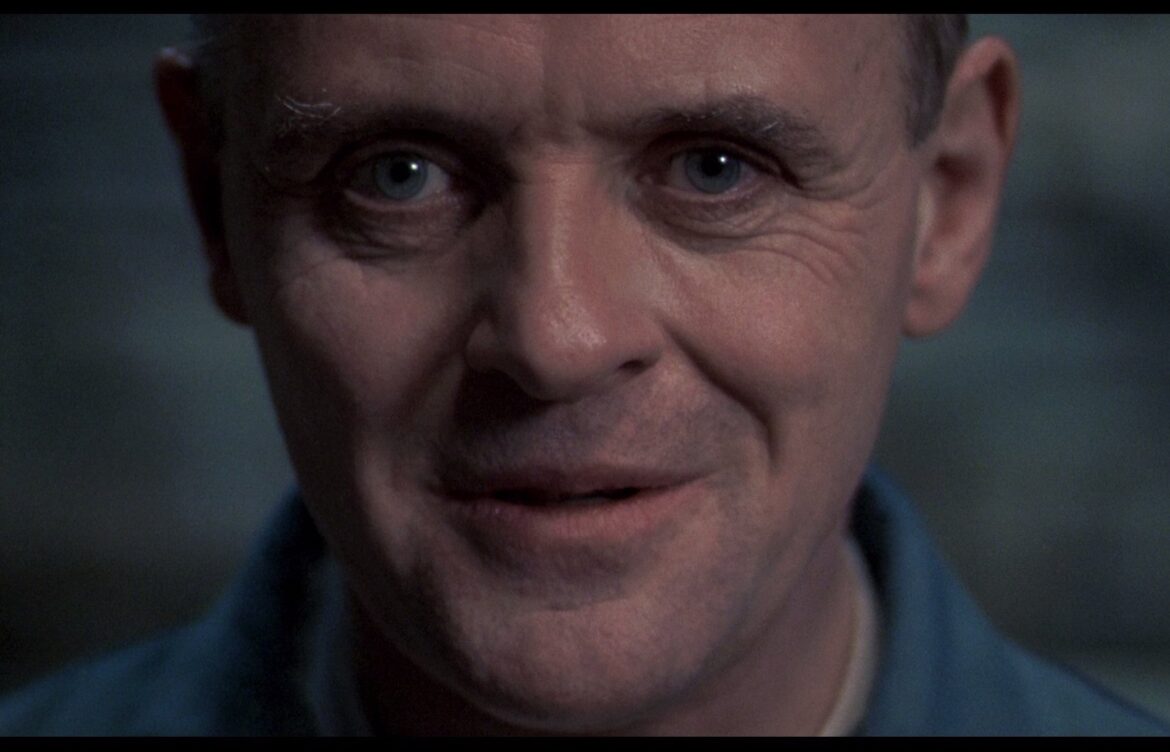
The character gained immense popularity through film adaptations, particularly Anthony Hopkins’ Oscar-winning portrayal in the 1991 film The Silence of the Lambs. The film not only showcased Lecter’s chilling nature but also brought a human element to his character, making him both frightening and fascinating. This duality has led to numerous portrayals across various media, including the acclaimed television series Hannibal, which delves deeper into Lecter’s backstory, showing his relationships and psychological motivations.
Contemporary Relevance
As society grapples with psychological horror and the darker aspects of human nature, Lecter remains a compelling figure. Themes present in his character continue to resonate, reflecting societal fears regarding mental illness, criminal psychology, and the morality of justice. Discussions around behavioral analysis in criminology have often drawn parallels to Lecter’s character, further establishing his relevance in both literature and modern psychological studies.
Conclusion
Hannibal Lecter’s legacy as a quintessential antihero exemplifies the complexities of human nature. His character invites audiences to explore their own perceptions of morality and evil. As new interpretations arise, it is clear that Lecter will continue to provoke thought and inspire discussions in pop culture and psychological discourse for years to come.