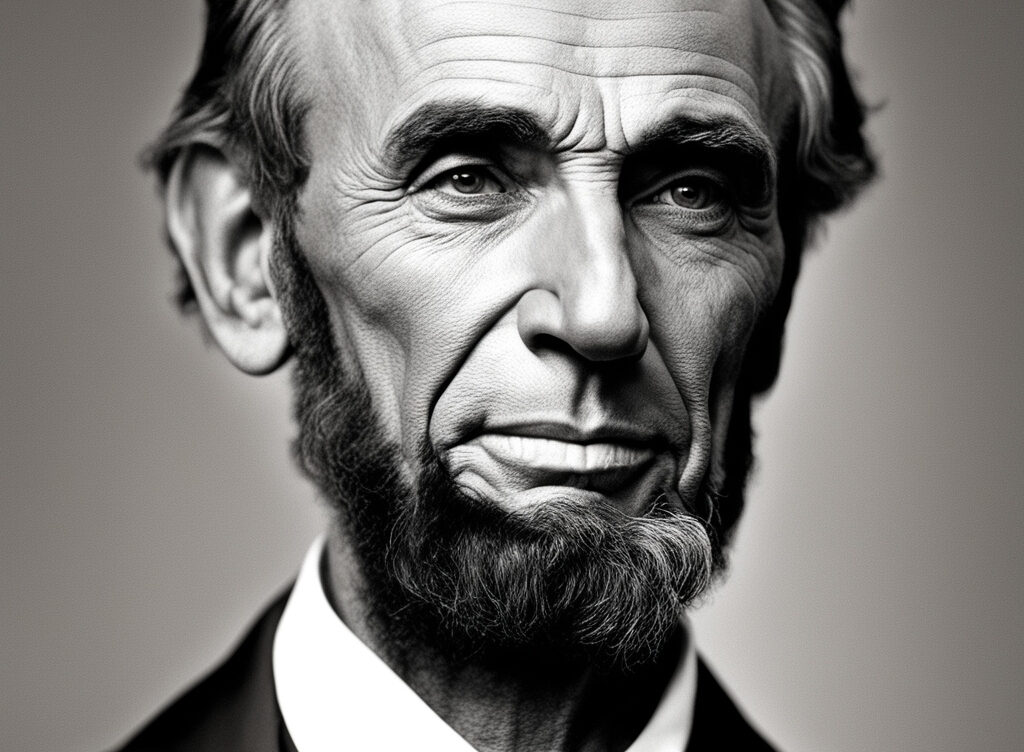
The Enduring Legacy of Abraham Lincoln
Introduction
Abraham Lincoln, the 16th president of the United States, holds a prominent place in American history due to his leadership during the Civil War and his pivotal role in the abolition of slavery. His decisions and policies not only shaped the nation during a period of great turmoil but also laid the groundwork for civil rights advancements in the years that followed. Understanding Lincoln’s legacy is crucial as it continues to resonate in contemporary discussions about equality, governance, and unity.
Lincoln’s Early Life and Career
Born on February 12, 1809, in a one-room log cabin in Hardin County, Kentucky, Lincoln faced numerous challenges in his early years. He was largely self-educated and developed a deep interest in literature and law. Lincoln eventually became a lawyer and entered politics, serving in the Illinois State Legislature and later one term in the U.S. House of Representatives.
Presidency and Civil War
Lincoln was elected president in 1860 as the first Republican president, representing a party formed to oppose the expansion of slavery into the territories. His election led to the secession of seven Southern states and the onset of the Civil War. Throughout the conflict, Lincoln showed remarkable resilience and determination. His dedication to preserving the Union was exemplified by his issuance of the Emancipation Proclamation on January 1, 1863, which declared the freedom of all enslaved people in Confederate-held territory.
The Gettysburg Address
One of Lincoln’s most enduring contributions is his Gettysburg Address, delivered on November 19, 1863, at the dedication of the battlefield cemetery in Pennsylvania. In just over two minutes, he eloquently expressed the principles of human equality and the importance of national unity, stating, “that this nation, under God, shall have a new birth of freedom”—a phrase that has continued to inspire generations.
Conclusion
Abraham Lincoln’s legacy extends far beyond his time in office. His efforts in preserving the Union and promoting human rights set a precedent for future civil rights movements in America. Today, as the nation continues to grapple with issues of equality and governance, Lincoln’s ideals offer a guiding light. The relevance of his life and leadership serves as a reminder of the ongoing struggle for justice and the importance of unity in a diverse nation. In a world facing challenges akin to those of Lincoln’s time, a reflection on his principles may help guide future leaders and citizens alike.