The Complex Legacy of Hannibal Lecter
Introduction
Hannibal Lecter is one of the most notorious characters in modern fiction, captivating audiences with his combination of intellect, charm, and chilling malevolence. Originating from Thomas Harris’s series of novels, Lecter has transcended his literary roots to become a cultural icon, featuring in films, television shows, and even opera. Understanding Hannibal Lecter is essential for grasping the evolution of the horror-thriller genre, the complexities of character development, and the boundaries of morality in storytelling.
Background and Development
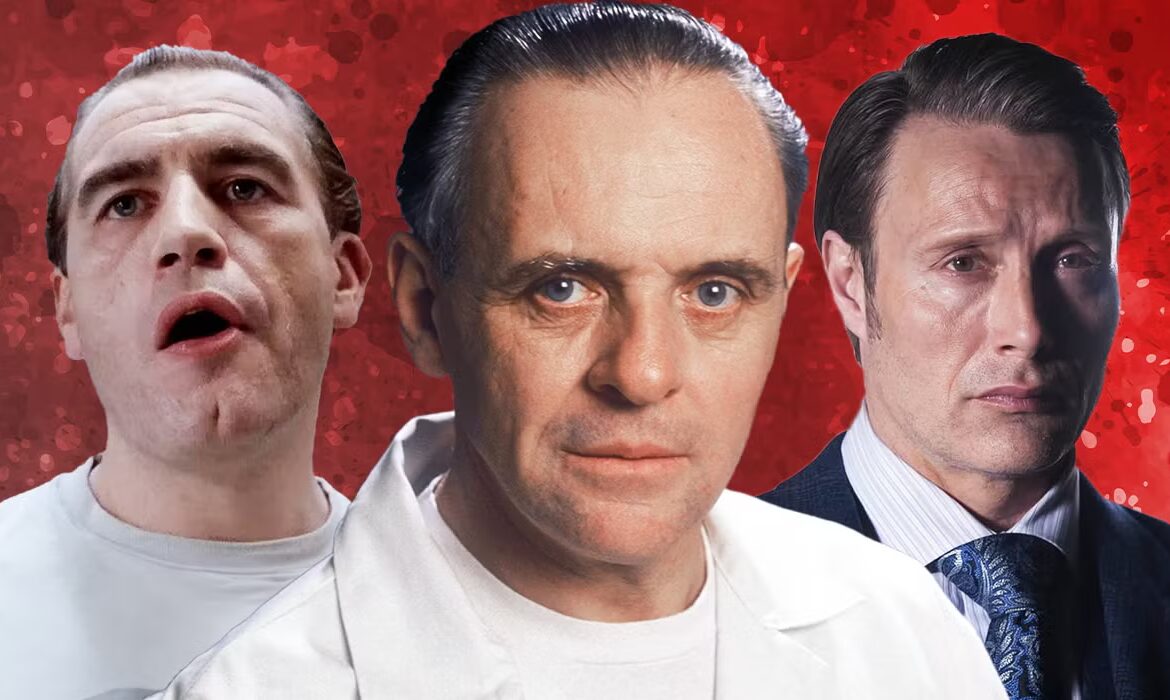
The character Hannibal Lecter first appeared in the 1981 novel ‘Red Dragon’ by Thomas Harris. However, he gained massive popularity following the release of the 1991 film ‘The Silence of the Lambs,’ where he was portrayed by Sir Anthony Hopkins. This role earned Hopkins an Academy Award for Best Actor. The chilling portrayal of Lecter as a brilliant psychiatrist and cannibalistic serial killer set a new standard for psychological horror, bringing the character into mainstream culture.
Modern Adaptations
Hannibal Lecter has seen various adaptations across different media. The NBC television series ‘Hannibal’ (2013-2015), starring Mads Mikkelsen, provided a unique and artistic take on the character, exploring his relationship with FBI special investigator Will Graham. This series highlighted Lecter’s intricate psychological games, adding depth to his character and expanding the lore surrounding him. The show was critically acclaimed, appreciated for its cinematography, writing, and character exploration.
Moreover, the character appears in video games and even stage adaptations, showcasing his versatility and the fascination he incites in audiences worldwide. Lecter’s legacy continues to influence new authors and creators, often inspiring similar characters noted for their intellectual prowess and moral ambiguity.
Conclusion
Hannibal Lecter remains a compelling figure in literature and entertainment, representing the fine line between brilliance and madness. His character prompts profound questions about morality, psychology, and the nature of evil, making him a subject of study and discussion. As new adaptations are developed, it is likely that Lecter’s influence will persist, continuing to intrigue future generations while challenging our views on the darker aspects of human nature. The chilling legacy of Hannibal Lecter endures, inviting audiences to delve deeper into his complex psyche, leaving us to ponder the limits of humanity.