The Chesapeake Bay Bridge: Connecting Communities and Economies
Introduction
The Chesapeake Bay Bridge is more than just a roadway; it is a vital link that connects the Eastern Shore of Maryland to the western shores. Spanning approximately 4.3 miles across the Chesapeake Bay, the bridge facilitates not only transportation but also economic growth in the region. Understanding its importance helps to appreciate the challenges and opportunities facing such critical infrastructure.
Historical Significance
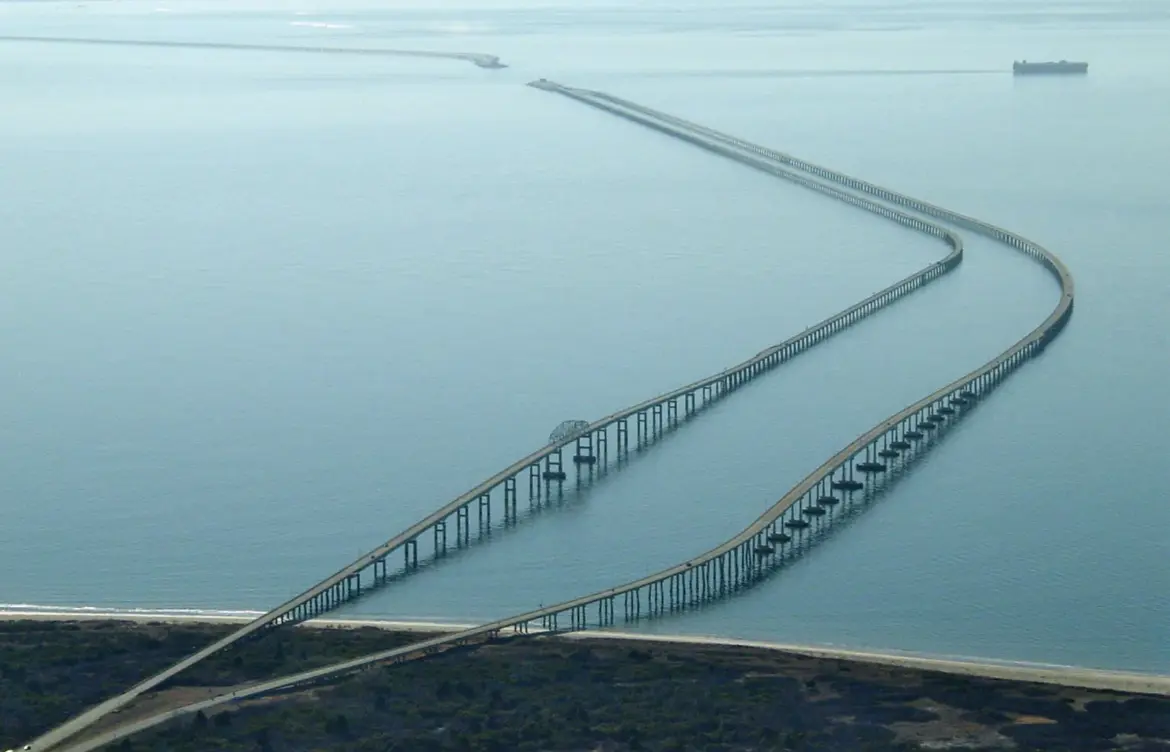
Opened in 1952, the Chesapeake Bay Bridge has since been an engineering marvel, attracting millions of travelers each year. Originally built to reduce congestion from ferry operations, it has evolved into a key artery for tourists and locals alike. The bridge is renowned for its sweeping views of the Chesapeake Bay and its iconic twin spans. Its construction not only transformed transportation but also influenced local economies and communities.
Recent Developments
In recent months, the Maryland Transportation Authority has announced plans for significant maintenance upgrades aimed at enhancing safety and resilience. The $30 million project will include refurbishing the bridge’s structure and addressing corrosion issues. Traffic patterns during construction have been a concern, leading to public forums to discuss anticipated disruptions. Local officials emphasize the necessity of these upgrades to ensure the bridge can handle growing traffic demands, especially during peak tourism seasons.
Traffic and Economic Impact
The Chesapeake Bay Bridge is vital for local businesses, particularly during the summer months when tourists flock to the Eastern Shore. According to the Maryland Transportation Authority, the bridge carries an average of 26 million vehicles annually. Local businesses on the Eastern Shore have reported a correlation between bridge traffic and economic performance, with increased visitors leading to higher sales in sectors like hospitality and retail.
Conclusion
As the Chesapeake Bay Bridge continues to serve as a crucial connector for communities, its ongoing updates will play a significant role in enhancing its long-term viability. The public can expect some inconveniences during maintenance, but such projects are essential for safety and efficiency. The bridge stands as a testament to engineering innovation and remains a key player in Maryland’s economy. As we look to the future, investments in infrastructure like the Chesapeake Bay Bridge will be critical to supporting and sustaining regional growth.