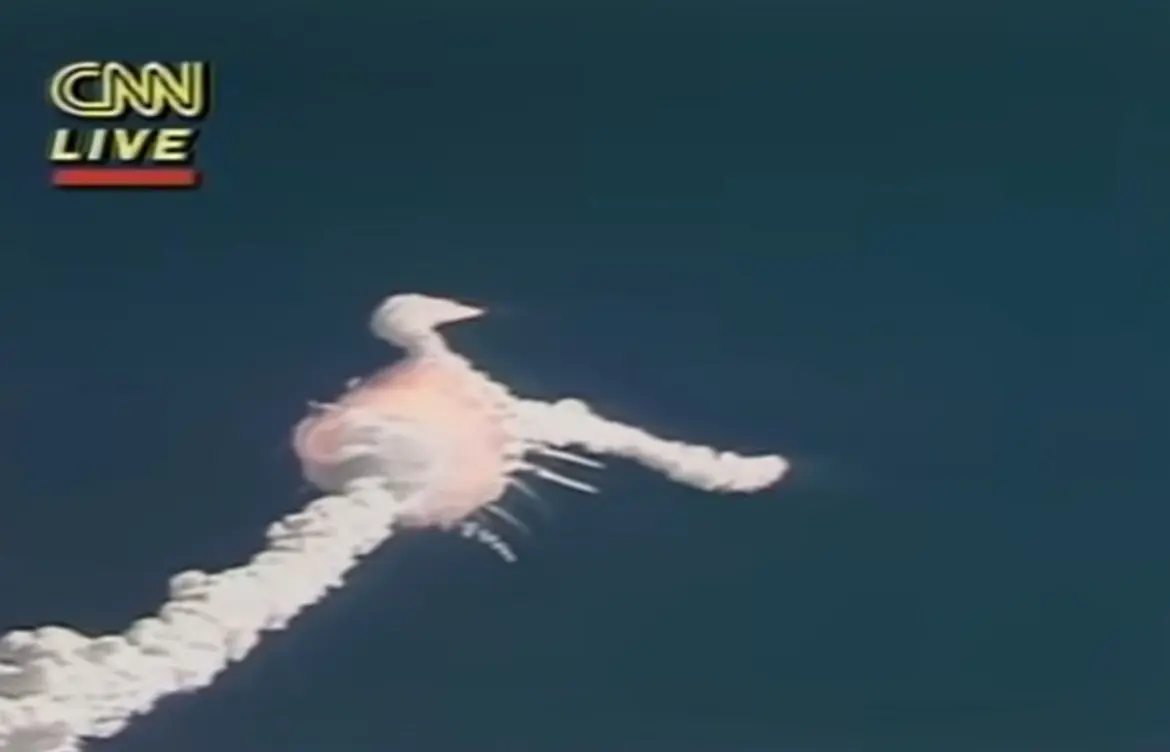
The Challenger Explosion: Remembering the Tragedy and its Impact
Introduction
The Challenger explosion remains one of the most tragic events in the history of space exploration. On January 28, 1986, the NASA Space Shuttle Challenger broke apart 73 seconds into its flight, leading to the deaths of all seven crew members on board. This catastrophic event not only marked a significant setback for the U.S. space program but also raised critical safety and engineering questions that would shape the future of space travel.
The Incident
The Challenger flight (STS-51-L) was launched from the Kennedy Space Center in Florida. The crew included notable figures such as Christa McAuliffe, who was set to become the first teacher in space. Tragically, just 73 seconds after liftoff, the shuttle disintegrated in a fiery explosion, resulting from the failure of an O-ring seal in the right solid rocket booster, which was exacerbated by the cold weather on that morning. The disaster shocked the nation and led to an immediate halt in shuttle flights, as investigations were launched to uncover the causes of this failure.
The Aftermath
In the wake of the explosion, the Rogers Commission was established to investigate the disaster. Their report concluded that NASA had ignored warnings about the catastrophic risks associated with launching in cold weather. The commission’s findings prompted significant changes in NASA’s policies and engineering practices, including stricter safety protocols and a shift in organizational culture. Additionally, the disaster restarted discussions on the risks of manned space flight, prompting a reevaluation of the goals and operations of NASA.
Legacy and Significance
The Challenger disaster had lasting impacts beyond immediate safety changes. It instilled a sense of caution and the need for rigorous compliance with safety standards in future space missions. While the tragedy led to a nearly three-year hiatus in the shuttle program, it also sparked a renewed interest in space exploration, culminating in the successful Mars rovers and the International Space Station (ISS) projects. Furthermore, every space mission since Challenger has carried the memory of its crew, integrating the lessons learned into the framework of future explorations.
Conclusion
The Challenger explosion served as a stark reminder of the risks associated with space exploration and the importance of prioritizing crew safety. As we reflect on this tragedy, it is essential to recognize the strengths that emerged from adversity and the advancements made to ensure the safety of those who venture into the realms of space. The collective memory of the Challenger crew continues to inspire ongoing efforts to explore beyond our planet, making it vital to remember their contributions as we set our sights on future frontiers.