Temperature Mumbai: A Sudden Surge in Heat
Changing Climate Conditions
Historically, Mumbai has been known for its humid tropical climate, with temperatures typically peaking in the summer months. However, the recent weather patterns have shown a significant shift. Prior to March 2026, the expectations for the city’s temperature were relatively stable, with maximum temperatures usually hovering around the mid-30s Celsius. This year, however, the city has faced an unprecedented rise in temperatures, marking a stark contrast to previous years.
The Decisive Moment
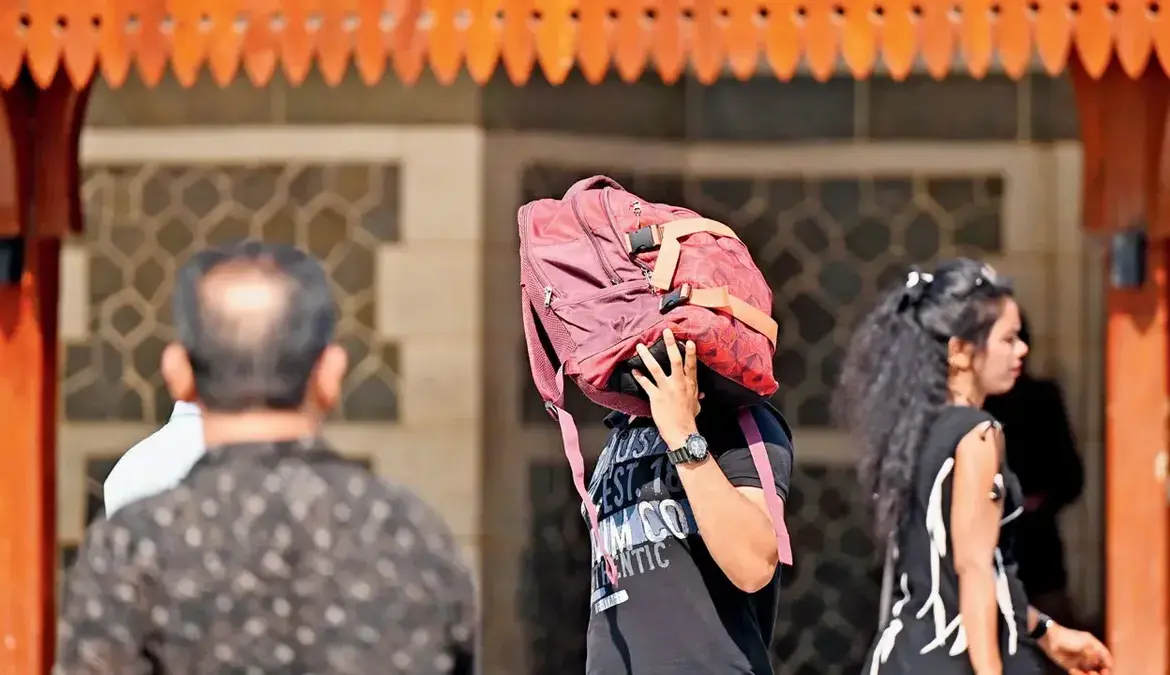
On March 9, 2026, Mumbai recorded a maximum temperature of 38.4 degrees Celsius, a figure that is six degrees above the normal for this time of year. The India Meteorological Department (IMD) responded to this alarming spike by issuing a heatwave warning for the city. The maximum temperature at Ram Mandir reached an astonishing 42.5 degrees Celsius, while Vikhroli recorded 41.7 degrees Celsius. Such extreme temperatures have not been seen in the city this early in the season for at least a decade.
Immediate Effects on Residents
The sudden surge in temperatures has had direct implications for the residents of Mumbai. With the minimum temperature recorded at around 24 degrees Celsius and humidity levels fluctuating between 18% and 34%, the discomfort has been palpable. The IMD’s predictions for the following days indicated that temperatures would continue to hover around 35 degrees Celsius, further exacerbating the situation. The heatwave has prompted many residents to seek relief from the oppressive weather, leading to increased demand for cooling solutions and a surge in health-related issues.
Expert Insights
Experts have pointed to the anticyclonic circulation in the Arabian Sea as a significant factor contributing to this sudden rise in temperatures. Sushma Nair, a senior scientist at IMD Mumbai, stated, “The spike in temperatures is attributed to the anticyclonic circulation in the Arabian Sea near south Gujarat and neighbouring areas including Mumbai.” This scientific perspective sheds light on the broader climatic changes affecting the region and underscores the importance of monitoring weather patterns closely.
Warnings and Precautions
In light of the extreme weather conditions, the IMD has issued a yellow warning for Mumbai and surrounding areas, including Thane, Palghar, and Navi Mumbai, for the next two days. Residents are advised to take precautions against heat-related illnesses, stay hydrated, and limit outdoor activities during peak hours. The IMD’s proactive measures aim to mitigate the impact of the heatwave on public health and safety.
Looking Ahead
As the week progresses, temperatures in Mumbai are expected to remain high, with forecasts predicting 39 degrees Celsius for March 9 and 37 degrees Celsius for March 10. This sustained heat poses challenges not only for the residents but also for local infrastructure and services. The city must prepare for the potential strain on resources as the heatwave continues.
The recent spike in temperatures in Mumbai serves as a stark reminder of the changing climate and its immediate effects on urban life. With the IMD’s warnings and expert insights highlighting the seriousness of the situation, it is crucial for residents and authorities alike to remain vigilant and responsive to the ongoing heatwave. As details remain unconfirmed, the city must brace for the challenges that lie ahead in this unprecedented weather scenario.