Songs Shine at MG University Kalolsavam
What impact do songs have on cultural events like the MG University Kalolsavam?
The recent MG University Kalolsavam, held on March 6, 2026, in Thiruvalla, highlighted the profound impact of songs on cultural identity and community engagement. The Maharaja’s College folk song team clinched the first prize, performing a song learned from the Muthuvan tribal community in Kerala. This event not only showcased the talent of 64 competing teams but also emphasized the importance of preserving and promoting traditional music.
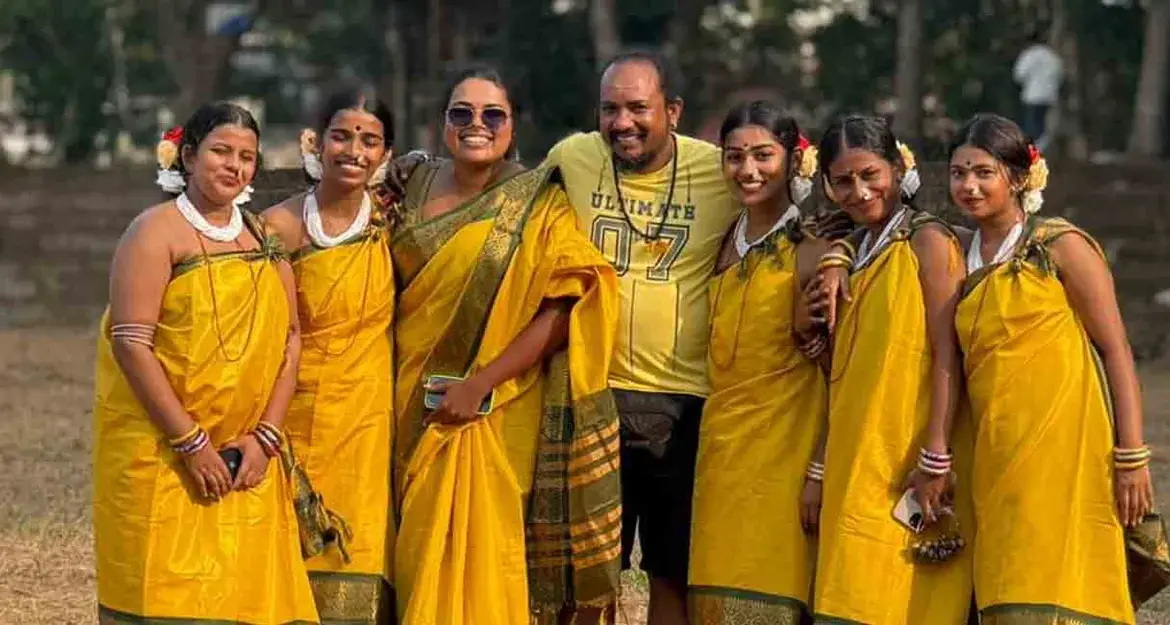
The Muthuvan community, known for their unique songs that blend Malayalam and Tamil, has a rich oral tradition. Anjana Raveendran, the trainer of the Maharaja’s College folk song team, shared, “We connected with members of the Muthuvan tribe through friends. We stayed with the community for three days and learned the songs ourselves.” This dedication to learning and preserving cultural heritage has led the team to win the folk song category for three consecutive years since its introduction.
Raveendran is also researching ways to document and notate these folk songs, ensuring that this vital aspect of Kerala’s cultural heritage is not lost. The increasing audience size at the Kalolsavam reflects a growing appreciation for such performances. Raveendran noted, “When we performed in the first year, the audience was much smaller. In the second year, it doubled. Now it has increased further.” This trend indicates a rising interest in folk music and its significance in contemporary society.
Controversies in the Music Industry
While the MG University Kalolsavam celebrated traditional songs, the music industry faced challenges, particularly with artist Badshah. Following the release of his song “Tateeree,” which drew criticism for its objectionable lyrics and visuals, Badshah issued an apology, stating, “I never intended to say anything objectionable against any woman or child from Haryana.” This incident sparked a significant backlash, leading to the Haryana police initiating a Look Out Circular against him to prevent him from leaving the country.
The controversy escalated with the police registering an FIR against Badshah under the Indecent Representation of Women (Prohibition) Act, 1986. Haryana Education Minister Mahipal Dhanda condemned the depiction of school girls in the song, emphasizing the need for accountability in the portrayal of women in music. This situation raises questions about the responsibilities of artists in their creative expressions and the societal implications of their work.
Celebrating Diversity Through Music
In a different context, the Sangeetanjali organization hosted a Holi song and dance event at the Doon Library Amphitheatre on March 2, 2026. This event featured performances of various regional songs, including Garhwali, Kumauni, Ruhelkhandi, Braj, and Rajasthani, showcasing the diversity of Indian music. With 20 artists performing, the event celebrated the vibrant cultural tapestry of India, bringing together different communities through the universal language of music.
The juxtaposition of the MG University Kalolsavam’s celebration of traditional songs and the controversies surrounding modern music artists like Badshah highlights the complex landscape of the music industry today. As communities strive to preserve their cultural heritage through songs, the challenges posed by contemporary issues in music continue to unfold. Details remain unconfirmed regarding the long-term effects of these controversies on artists and their work, but the dialogue surrounding music’s role in society remains crucial.