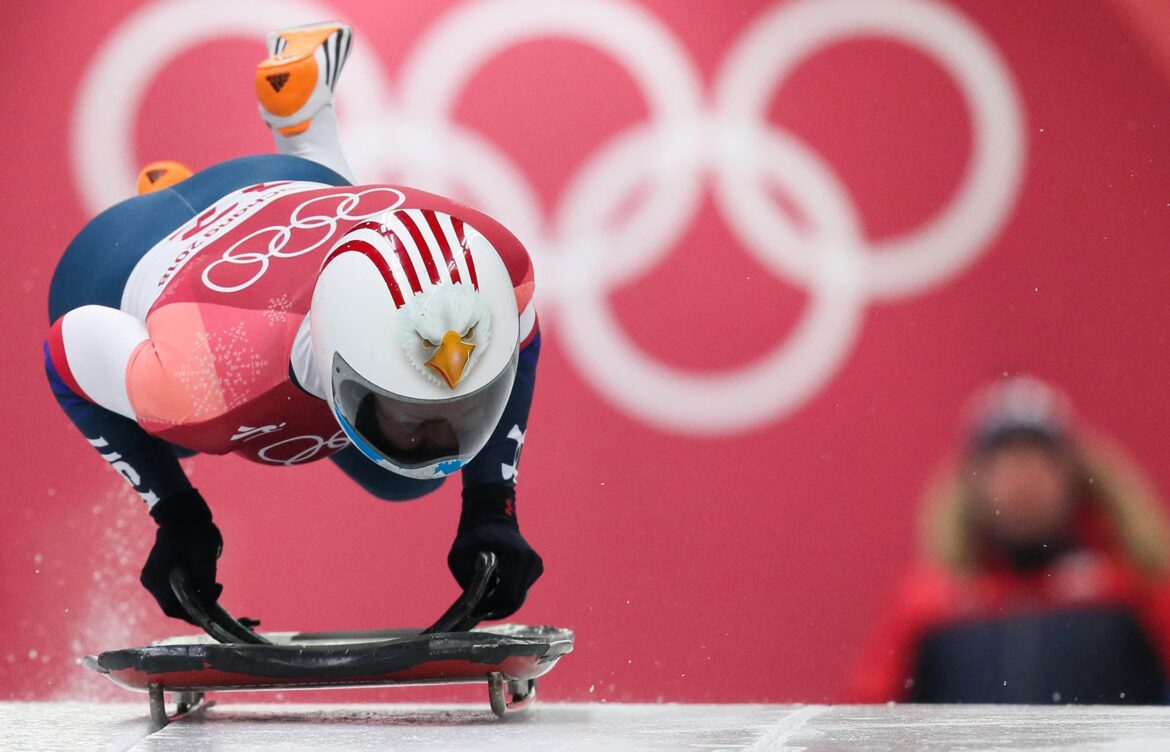
Skeleton at the Winter Olympics: A Sport of Speed and Precision
Introduction to Skeleton at the Winter Olympics
The skeleton is one of the most exhilarating sports at the Winter Olympics, capturing the admiration of millions as athletes race headfirst down a challenging track on small sleds. This sport, marked by its unique blend of speed, skill, and bravery, has been part of the Olympic Games since 1928. With the Beijing 2022 Winter Olympics still fresh in our memories, the anticipation for the next competition is building, drawing more attention to this thrilling event.
What is Skeleton?
Skeleton involves individual athletes making timed runs on a one- or two-man sled down a specially designed track. Runners lie face down and headfirst, reaching speeds of up to 80 miles per hour as they negotiate curves and straights with remarkable precision. Unlike other sliding sports like bobsleigh and luge, skeleton athletes, who typically slide on a sled weighing about 70 pounds without relying on a team, rely entirely on their own strength and technique.
Historical Context and Recent Developments
Skeleton first appeared in the Olympics during the 1928 games held in St. Moritz, Switzerland. After a hiatus in 1948, it returned to the Games in 2002. Since then, the sport has evolved significantly, with advancements in technology and training methods contributing to faster times and a higher level of competition. The 2022 Winter Olympics showcased remarkable talent, with athletes from countries like Germany, the United States, and Canada dominating the podium.
Upcoming Events and Future Prospects
The next Winter Olympics in 2026 will take place in Milan and Cortina d’Ampezzo, Italy. Athletes are already beginning to prepare for their qualifying events. As the sport continues to evolve, fans are eager to see who will rise to the challenge and potentially steal the spotlight in this high-speed showdown. The International Bobsleigh and Skeleton Federation (IBSF) is also increasingly focused on enhancing global interest in the sport.
Conclusion: The Significance of Skeleton in Winter Sports
The skeleton embodies not only speed and precision but also an intense mental component, where athletes must maintain focus and composure while negotiating the fast and perilous course. As more fans become engaged in the Winter Olympics, the skeleton’s popularity is expected to rise. The continued development of training programs worldwide may expand the talent pool, promising exciting events for years to come. The thrilling nature of this sport ensures that it will remain a thrilling highlight of the Winter Olympics.