Silver Price Declines Amid Market Volatility
Who is involved
In recent weeks, the silver price has been a focal point for investors and traders alike, with expectations of stability giving way to a sharp decline. Prior to this downturn, silver was seen as a safe haven, particularly during times of geopolitical tension and economic uncertainty. Historically, silver prices have gained during wars and crises, as investors flock to safer options. However, the landscape has dramatically shifted.
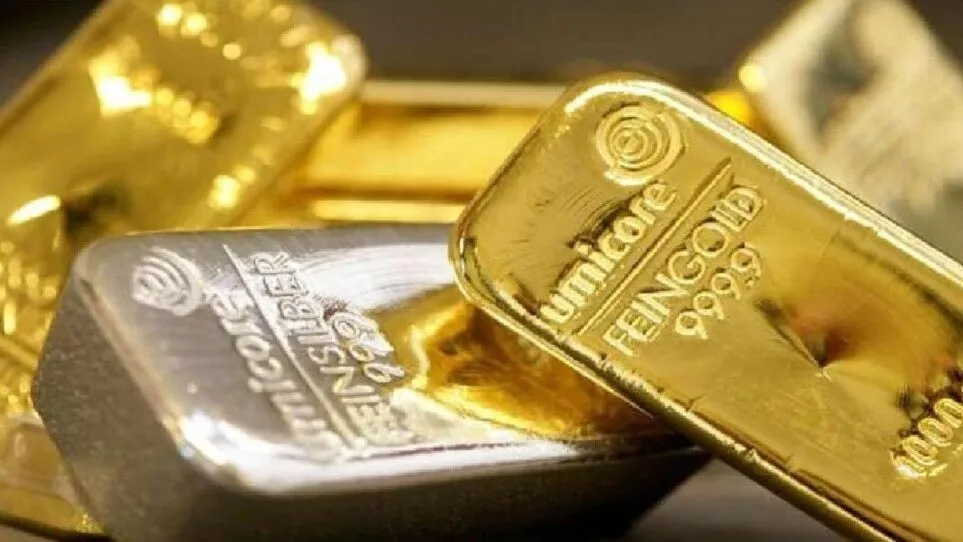
On March 23, 2026, silver prices fell by ₹20,409, bringing the current price to ₹2.06 lakh per kilogram. This marked a significant drop of 10.21% compared to previous levels, as silver futures for May delivery slumped 9% to ₹2,06,363 per kilogram on the Multi Commodity Exchange. The decline was not isolated; global spot silver also saw a decrease of around 3.2%, indicating a widespread trend affecting the market.
The decisive moment for this downturn can be traced back to a combination of profit-taking and liquidity needs following a previous rally. Investors, looking to cash out to cover losses elsewhere, contributed to the selling pressure. As Hareesh V noted, “Profit-taking and liquidity needs have also triggered selling after metals’ earlier rally, with investors cashing out to cover losses elsewhere.” This sentiment has resonated throughout the trading community, leading to a more cautious approach.
Moreover, the current market situation is characterized by selling across various asset classes, including precious metals. The strength of the U.S. dollar and rising Treasury bond yields have further weakened bullion prices, creating a challenging environment for silver. As Dr. VK Vijayakumar pointed out, “It is important to understand that the huge risk-off globally has impacted all assets including stocks, bonds and precious metals like gold and silver.” This broader market context has left many investors feeling uncertain about the future.
Silver’s inherent volatility, which is often more pronounced than that of gold, has led to sharper price declines. On the Comex, silver futures for the May contract declined by $6.51, or 9.34%, to $63.15 per ounce. This volatility has made it increasingly difficult for traders to navigate the market, as steep selloffs in Asian stock markets have led to unwinding of long positions in gold and silver.
Despite escalating tensions in West Asia, which traditionally would drive investors toward precious metals, the fall in silver prices has persisted. The expectation of delayed interest rate cuts has also put additional pressure on silver prices, as investors reassess their strategies in light of changing economic indicators. As Hareesh V remarked, “These forces have outweighed safe-haven demand, keeping precious metals under downward pressure.” This shift highlights the complex interplay of factors influencing the market.
As the community grapples with these changes, the implications for both individual investors and the broader market remain significant. The decline in silver prices has raised concerns about the future of precious metals as a reliable investment, prompting many to reconsider their positions. While the market may stabilize in the future, the current volatility serves as a reminder of the risks inherent in trading precious metals.