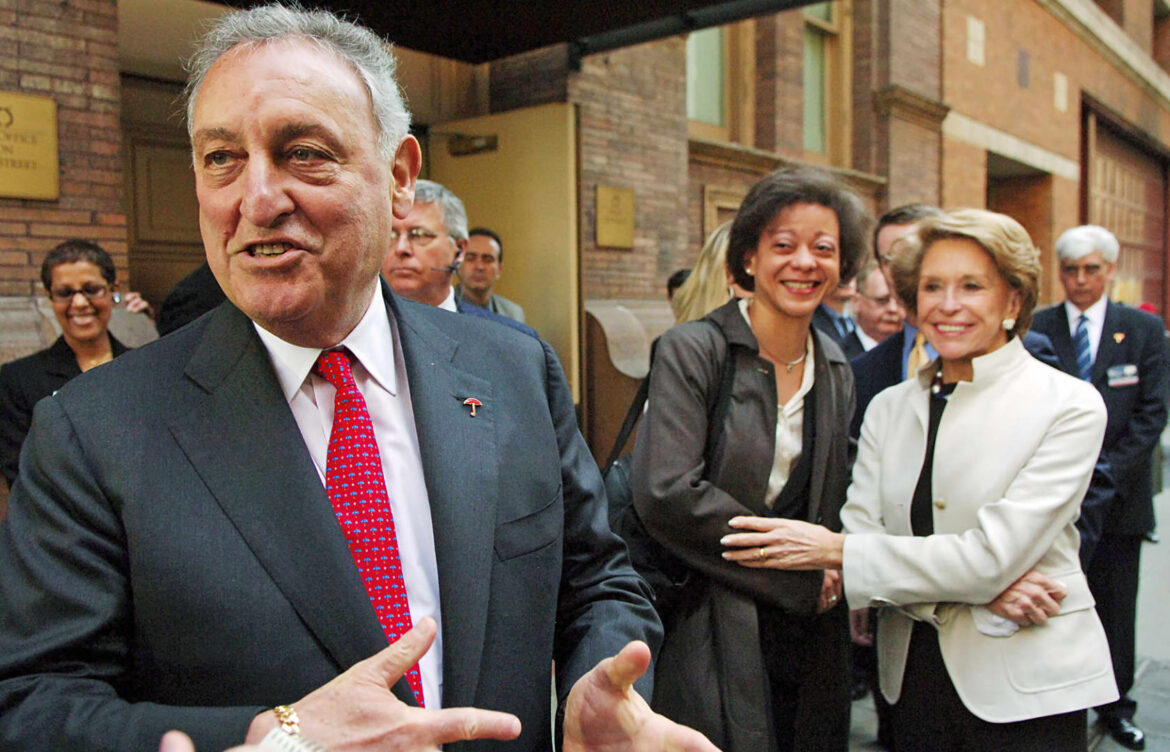
Sandy Weill: A Pioneering Force in Banking and Finance
Introduction
Sandy Weill, a prominent figure in the world of banking, is known for his transformative contributions to the financial industry. As the former CEO of Citigroup, Weill played a crucial role in reshaping modern banking practices. His strategies and vision helped create one of the world’s largest financial institutions, making his impact on the sector significant and enduring.
Weill’s Early Career
Sandy Weill began his career in finance in the 1960s, starting as a broker with the firm of McGraw-Hill. He quickly advanced through the ranks, demonstrating strong leadership skills and a knack for strategic acquisitions. By 1986, he became the CEO of the investment bank Shearson Lehman Hutton, where he solidified his reputation as a savvy dealmaker.
The Formation of Citigroup
In 1998, Weill orchestrated a landmark merger between Citicorp and Travelers Group, leading to the creation of Citigroup. This merger symbolized a pivotal moment in banking history, as it allowed for the combination of commercial and investment banking under one umbrella, a practice that had previously been restricted by the Glass-Steagall Act. Weill’s belief in diversification and the integration of services positioned Citigroup at the forefront of the financial sector.
Advocacy for Financial Reform
Beyond his corporate success, Weill has been an advocate for financial reform. In recent years, he has publicly supported the reinstatement of the Glass-Steagall Act, reflecting his concerns about the consequences of banking deregulation. Weill argues that separating banking functions is essential to avert systemic risks and protect consumer interests.
Legacy and Impact
Sandy Weill’s influence extends beyond Citigroup; he has reshaped how banking is perceived and operated globally. His career has sparked discussions on the balance between innovation and regulation within the financial industry. Analysts often cite his legacy as a driving force behind both the growth and the challenges faced by modern banking systems.
Conclusion
As the financial landscape continues to evolve, Sandy Weill’s contributions remain a crucial part of the narrative. His vision for an interconnected banking system has prompted ongoing debates about the role of regulation and innovation in ensuring stability and customer protection. As we look to the future, understanding Weill’s impact will be essential for policymakers, industry leaders, and consumers alike.