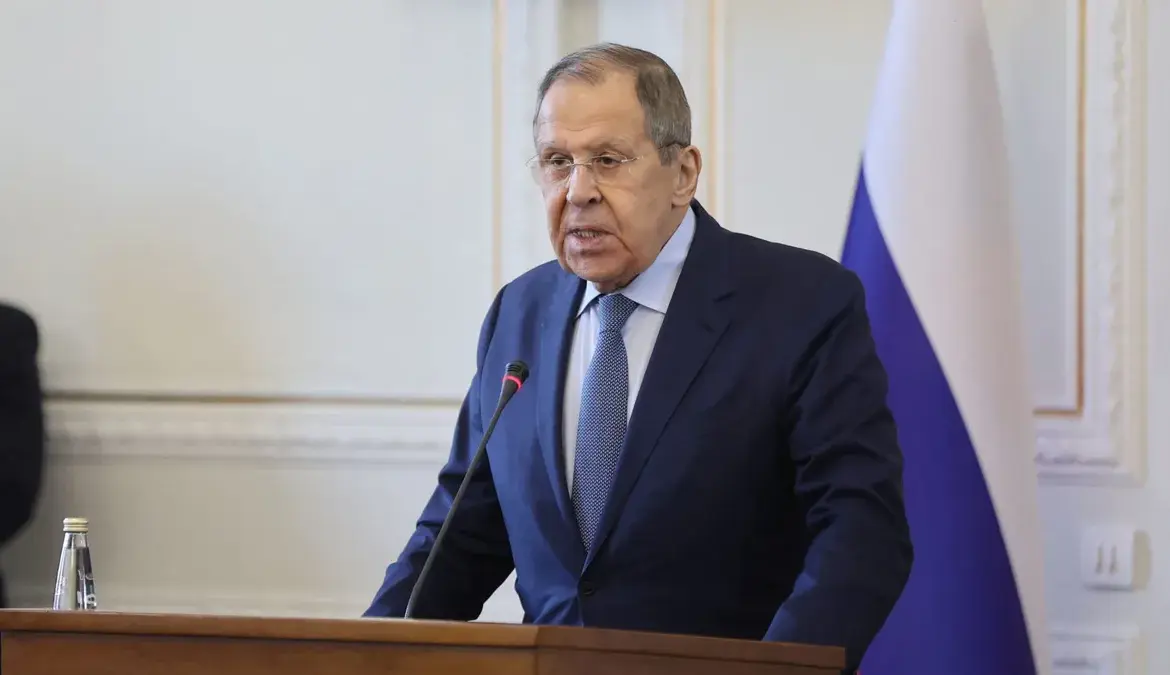
Russia Strengthens Ties with Iran Amid Ongoing Conflicts
Historically, Russia and Iran have had an uneasy relationship shaped by conflict, mistrust, and competing interests. However, recent developments indicate a significant strengthening of their partnership amid ongoing wars, sanctions, and geopolitical pressures. This pragmatic cooperation has become increasingly evident, particularly in the context of the conflict in Ukraine and the Syrian civil war.
In recent months, Russia and Iran have collaborated closely, with Iran providing military equipment and drones that have become central to Russia’s strike campaigns against Ukrainian infrastructure. The partnership illustrates a mutual need: Iran seeks military support and nuclear technology from Russia, while Russia benefits from Iran’s strategic capabilities.
Notably, production lines linked to Iranian drone designs have been established on Russian territory, further solidifying this military cooperation. As both nations navigate the complexities of international sanctions, their alliance offers Moscow tools to influence the war in Ukraine without fully entering it.
In a related development, a vessel named Aqua Titan carrying Russian crude oil recently reached Mangaluru in Karnataka, India. This event coincided with the United States issuing a temporary general license allowing the sale of Russian crude oil stranded at sea, highlighting the ongoing complexities of energy politics amid the sanctions.
Meanwhile, Hungary’s Foreign Minister has come under scrutiny for allegedly passing information about EU negotiations to Russia. This has prompted Hungarian Prime Minister Viktor Orban to order an investigation into the wiretapping of his foreign minister, indicating internal tensions within the EU regarding relations with Russia.
Orban stated, “There is evidence that Hungary’s foreign minister was wiretapped, and we also have indications of who may be behind it.” This situation underscores the delicate balance Hungary must maintain as it navigates its relationships with both Russia and the European Union.
As these developments unfold, observers are keenly watching how the strengthened ties between Russia and Iran will impact the ongoing conflicts in Ukraine and Syria. The situation remains fluid, and details remain unconfirmed regarding the full extent of these partnerships.
In the coming weeks, it is expected that both nations will continue to explore avenues for cooperation, particularly in military and energy sectors, while the international community remains vigilant about the implications of these alliances.