RuPaul: The Icon of Drag Culture and Its Impact
Introduction to RuPaul
RuPaul, born RuPaul Andre Charles on November 17, 1960, in San Diego, California, has emerged as a legendary figure within the drag culture. His influence extends beyond the realm of entertainment, shaping perceptions of gender, identity, and art. RuPaul has made significant strides in making drag mainstream through innovative television programs and music, marking a pivotal point in cultural discourse surrounding LGBTQ+ representation.
The Rise of RuPaul
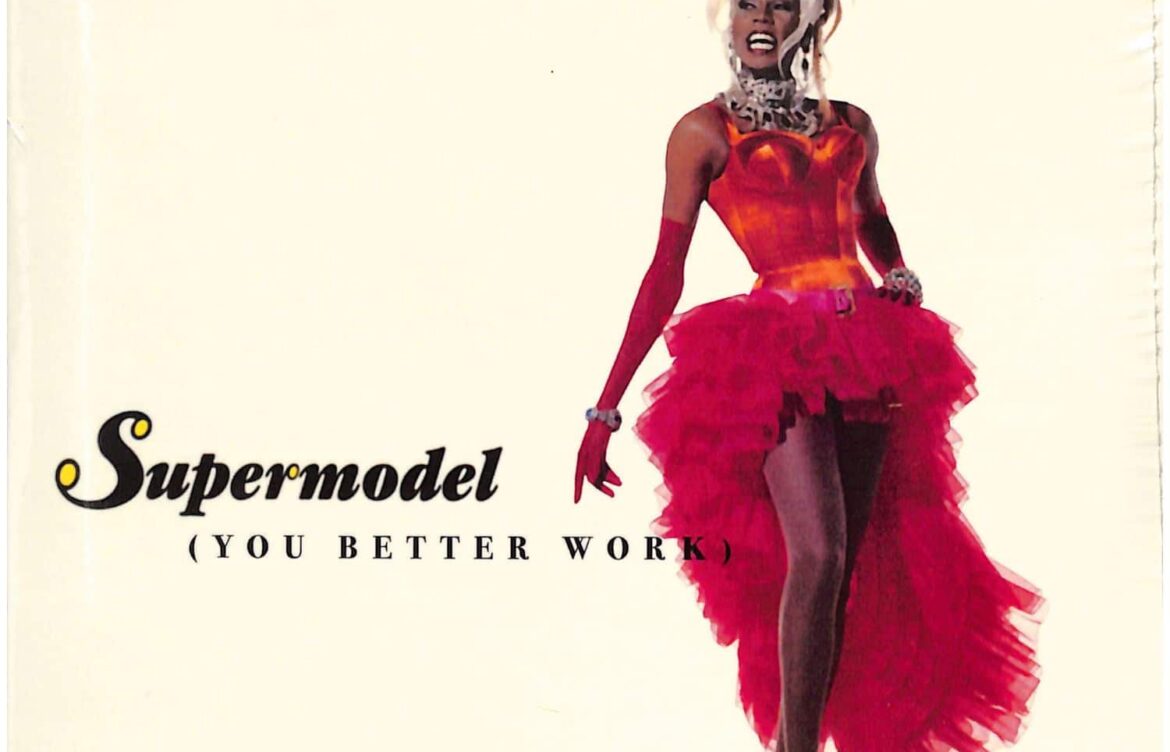
RuPaul’s journey began in the 1980s when he started as a performer in New York City’s drag scene. However, it was the 1993 release of his hit single “Supermodel (You Better Work)” that catapulted him to international fame. The song served as an anthem for empowerment and self-expression, making RuPaul a household name.
Television Breakthrough and Impact
In 2009, RuPaul launched “RuPaul’s Drag Race,” a reality TV competition showcasing drag queens from across the country. The show has received critical acclaim, winning multiple Emmy Awards, and has expanded to numerous international versions. This show not only entertains but also educates audiences about the diverse and multifaceted world of drag, helping to destigmatize LGBTQ+ identities and issues.
RuPaul’s Drag Race has often highlighted issues such as acceptance, love, and resilience within the LGBTQ+ community. Each season features queens who share their personal struggles, messages, and journeys, giving a voice to populations that have historically been marginalized.
Significance and Future Outlook
RuPaul’s impact on popular culture can be seen in the increasing acceptance and celebration of drag. The show has opened doors for many performers, leading to an array of opportunities in fashion, music, and mainstream media that were previously inaccessible.
In recent years, RuPaul has embraced social activism, using his platform to advocate for LGBTQ+ rights while promoting inclusivity and unity. The continued success of “RuPaul’s Drag Race” showcases not only RuPaul’s resilience but also a growing societal understanding and acceptance of diverse identities.
Conclusion
Overall, RuPaul represents a transformative figure in contemporary culture, using his artistry to challenge stereotypes and promote love and acceptance. As drag culture continues to gain momentum, the legacy of RuPaul will undoubtedly inspire future generations to express themselves freely and authentically. The journey of RuPaul reminds us that embracing diversity enriches our lives and creates a more inclusive world.