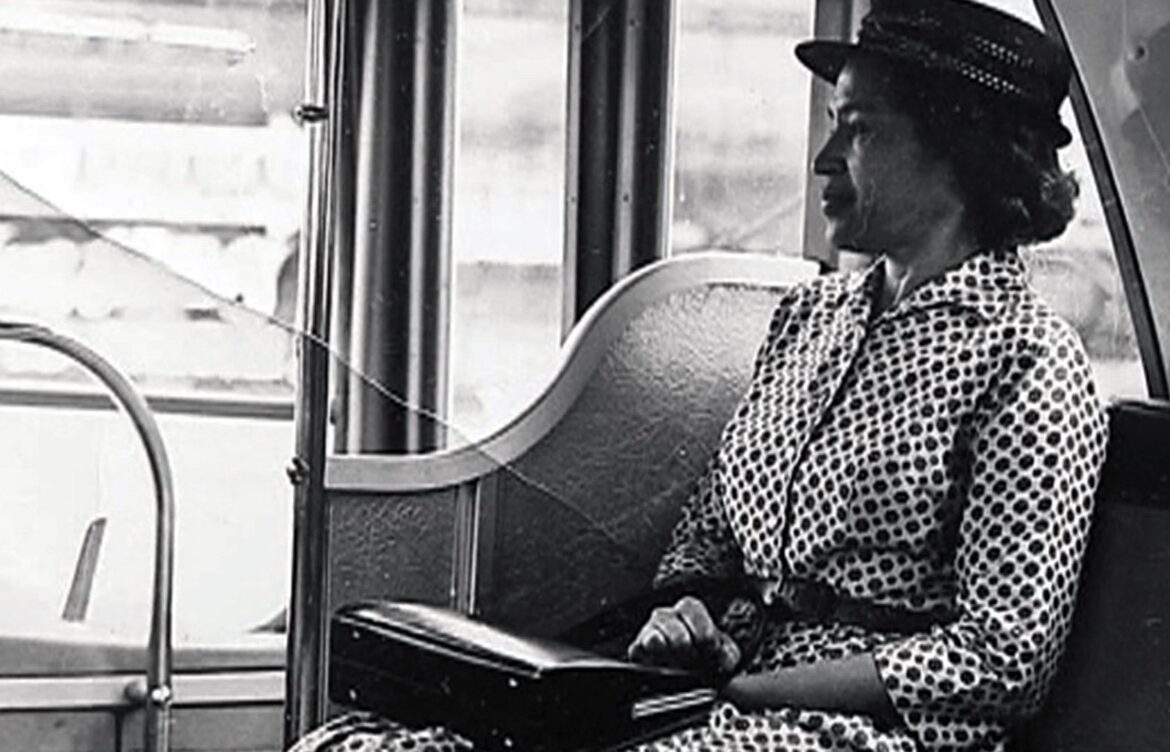
Rosa Parks: The Woman Who Sparked a Movement
Introduction
Rosa Parks is often referred to as the “Mother of the Civil Rights Movement” due to her courageous act of defiance against racial segregation. Her refusal to give up her bus seat to a white passenger on December 1, 1955, in Montgomery, Alabama, was a catalyst that ignited a broader struggle for civil rights for African Americans. Parks’ actions not only challenged the prevailing norms of her time but also laid the groundwork for significant changes in civil rights legislation in the United States.
Parks’ Early Life
Born on February 4, 1913, in Tuskegee, Alabama, Rosa Louise McCauley grew up in a racially segregated society that shaped her views on equality and justice. After moving to Montgomery, she became active in civil rights, joining the NAACP in 1943. Her political consciousness and commitment to challenging injustice only deepened leading up to her landmark protest.
The Montgomery Bus Boycott
On that December day, Parks’ refusal to relinquish her seat led to her arrest, which enraged the African American community. This incident spurred civil rights leaders, including Martin Luther King Jr., to organize the Montgomery Bus Boycott. The boycott lasted over a year, demonstrating the power of collective action and nonviolent resistance. As a result of the boycott, the U.S. Supreme Court ultimately ruled that segregation on public buses was unconstitutional. This victory was monumental, marking a key moment in the American civil rights movement.
Later Life and Legacy
After the boycott, Parks continued to be an active participant in the civil rights movement, speaking out against injustice and advocating for equality until her death in 2005. Her legacy endures as she is remembered not only for her brave act but as a symbol of resistance. Parks received numerous recognitions posthumously, including the Presidential Medal of Freedom and the Congressional Gold Medal.
Conclusion
Rosa Parks’ contributions to the Civil Rights Movement exemplify the significant impact that one individual’s courage can have on society. Her stand against injustice continues to inspire new generations to advocate for equality and civil rights. As we reflect on her legacy, it is crucial to recognize the ongoing struggles for civil rights and support initiatives that strive for social justice within America and beyond. Rosa Parks has become a symbol not only of civil rights but of the power of standing up against oppression, reminding us that one person can indeed change the course of history.